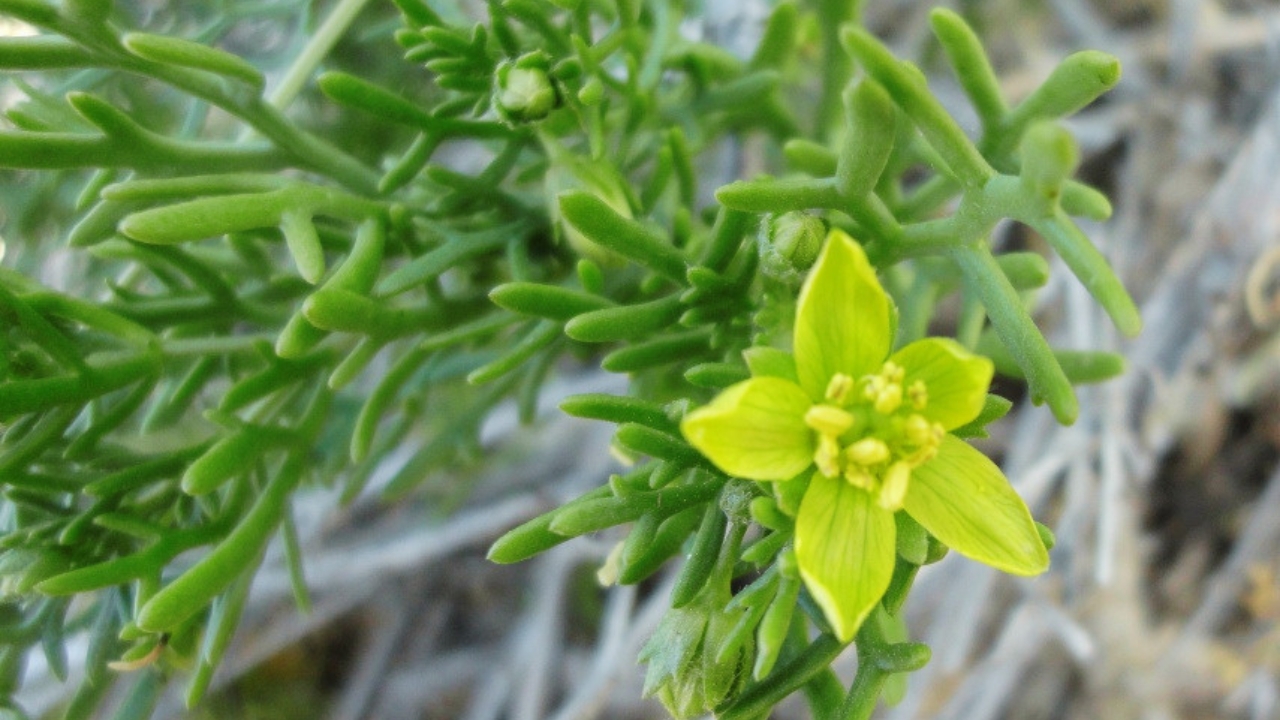
Malacocarpus is a lesser-known succulent plant admired for its compact growth, sculptural appearance, and ability to tolerate dry conditions. Native to arid and semi-arid environments, this plant belongs to a group of drought-resistant succulents that thrive in warm climates with plenty of sunlight and well-draining soil. Gardeners appreciate Malacocarpus for its low-maintenance nature and unusual form, making it a fascinating addition to succulent collections, rock gardens, windowsills, and container displays.
The plant typically develops fleshy stems and thick tissues that store moisture, helping it survive periods of drought. Like many succulents, it grows slowly and maintains a tidy structure over time. Because of its adaptation to harsh environments, Malacocarpus prefers conditions that mimic its natural habitat, including bright light, dry air, and infrequent watering.
Although it is considered easy to care for once established, understanding its specific growing requirements is important for long-term health and healthy root development. Proper soil selection, careful watering, and correct seasonal care all contribute to a thriving plant.
Ideal Light Conditions for Healthy Growth
Light plays one of the most important roles in the successful cultivation of Malacocarpus. This succulent performs best in bright environments where it receives several hours of direct or filtered sunlight each day. Indoor growers should place the plant near a south-facing or west-facing window where sunlight remains consistent throughout the day.
In outdoor gardens, Malacocarpus thrives in sunny positions with good air circulation. Morning sunlight combined with partial afternoon shade works particularly well in extremely hot climates where intense midday heat may cause stress or sunburn. In moderate climates, full sun exposure encourages compact growth and enhances the natural coloration of the plant.
Insufficient light often causes stretching, weak stems, and faded appearance. If the plant begins leaning toward the light source or producing elongated growth, it usually indicates a lack of adequate sunlight. Rotating indoor containers every few weeks helps maintain balanced growth and prevents uneven development.
During winter months, natural sunlight may become weaker. Supplemental grow lights can help maintain healthy growth indoors if natural light levels drop significantly.
Best Soil Mix for Malacocarpus
Well-draining soil is essential for preventing root rot and maintaining healthy roots. Malacocarpus dislikes heavy, compacted soils that retain moisture for extended periods. A gritty succulent mix that drains quickly is ideal for this plant.
A good homemade soil blend can include cactus potting soil mixed with coarse sand, pumice, or perlite. These ingredients improve aeration and help excess water escape rapidly. Clay-heavy garden soil should generally be avoided because it traps moisture around the roots and increases the risk of fungal problems.
Containers should always include drainage holes at the bottom. Terracotta pots are particularly useful because they allow moisture to evaporate more efficiently than plastic containers. This helps keep the root zone dry between waterings and creates conditions similar to the plant’s native environment.
Repotting is usually only necessary every few years due to the slow-growing nature of Malacocarpus. When repotting, choose a container only slightly larger than the current one to avoid excessive moisture retention in unused soil.
Watering Requirements and Moisture Management
One of the most common mistakes with Malacocarpus is overwatering. As a drought-tolerant succulent, this plant stores water in its tissues and requires far less moisture than traditional houseplants. Allowing the soil to dry completely between waterings is critical.
During the active growing season in spring and summer, watering can be done thoroughly but infrequently. A deep watering followed by complete drying of the soil usually works best. Depending on climate and indoor conditions, watering may only be necessary every two to three weeks.
In cooler seasons, especially during winter dormancy, watering should be reduced significantly. Excess moisture during cold weather can quickly lead to root rot, fungal infections, and stem collapse. Some growers water only once a month during winter, depending on humidity and temperature.
Signs of overwatering include yellowing stems, mushy tissue, black spots, and a soft base. Underwatered plants may appear wrinkled or slightly shriveled, but succulents generally recover from dryness more easily than from excess moisture.
Always water directly at the soil level instead of wetting the foliage. Good drainage and proper airflow further reduce the risk of fungal disease.
Temperature and Humidity Preferences
Malacocarpus grows best in warm temperatures and low humidity environments. Average household temperatures between 18°C and 30°C are generally suitable throughout most of the year. The plant enjoys warmth during active growth and performs particularly well in dry climates.
Cold temperatures can become problematic, especially if combined with wet soil. Frost exposure may damage the tissues permanently. In regions with cold winters, outdoor plants should be moved indoors before temperatures drop significantly.
Indoor humidity is usually adequate because this succulent prefers dry air. High humidity combined with poor airflow may encourage fungal issues or rot. Keeping the plant in a well-ventilated location helps maintain healthy growth.
Sudden temperature fluctuations should also be avoided. Drafty windows, air conditioners, and heaters may stress the plant if exposure becomes extreme or prolonged.
Fertilizing Malacocarpus for Better Growth
Malacocarpus is not a heavy feeder, but occasional fertilization can support healthy growth during the active season. A diluted cactus or succulent fertilizer applied once every four to six weeks during spring and summer is usually sufficient.
Overfertilizing should be avoided because excessive nutrients may lead to weak, unnatural growth and salt buildup in the soil. Using a balanced, low-strength fertilizer is generally safer than applying concentrated products.
Fertilization should stop during autumn and winter when growth slows naturally. Feeding a dormant succulent often creates unnecessary stress and may contribute to root damage.
If the plant appears healthy and maintains good color and steady growth, minimal feeding is perfectly acceptable.
Propagation Methods for Malacocarpus
Propagation is one of the most rewarding aspects of growing Malacocarpus. Most growers propagate the plant through stem cuttings, offsets, or seeds depending on the species and availability of mature growth.
Stem cuttings are often the easiest and fastest method. Healthy segments should be removed using a clean, sharp tool and allowed to dry for several days before planting. This drying period allows the cut surface to callous, reducing the risk of rot once placed in soil.
After callousing, the cutting can be placed in dry succulent soil. Light watering may begin once small roots start forming. Bright indirect light helps encourage successful rooting without causing excessive stress.
Offsets produced near the base of mature plants can also be separated carefully and replanted individually. Seed propagation is possible but generally slower and requires more patience and controlled conditions.
Warm temperatures and moderate light levels improve propagation success rates significantly.
Common Problems and How to Prevent Them
Although Malacocarpus is relatively resilient, several common issues may appear if growing conditions become unsuitable. Root rot remains the most serious problem and is usually caused by excessive watering or poorly draining soil.
Pests such as mealybugs, spider mites, and scale insects occasionally affect indoor succulents. Regular inspection helps detect infestations early before they spread. Insecticidal soap, neem oil, or gentle cleaning with alcohol-dipped cotton swabs can help control minor outbreaks.
Sunburn may occur if indoor plants are moved suddenly into intense direct sunlight. Gradual acclimation helps prevent leaf discoloration or tissue damage. Similarly, prolonged darkness or poor lighting weakens the plant and reduces its overall appearance.
Healthy care routines, proper drainage, and balanced light exposure prevent most problems before they develop.
Indoor and Outdoor Growing Tips
Malacocarpus adapts well to both indoor and outdoor cultivation when conditions remain warm and dry. Indoors, decorative pots placed near bright windows create attractive displays with minimal maintenance requirements.
Outdoor growers can incorporate the plant into xeriscapes, rock gardens, raised beds, or succulent arrangements. Combining it with other drought-tolerant plants creates visually appealing low-water landscapes.
Rain protection may be necessary in regions with prolonged wet seasons. Excessive rainfall can saturate the soil and increase the likelihood of rot. Raised beds and containers offer better control over moisture levels outdoors.
Container-grown plants can easily be moved depending on seasonal conditions, making them especially practical for changing climates.
Final Thoughts on Growing Malacocarpus
Malacocarpus is an excellent choice for gardeners seeking a unique succulent that combines beauty with low-maintenance care. Its drought tolerance, compact structure, and striking appearance make it suitable for beginners as well as experienced succulent enthusiasts.
Success with this plant largely depends on understanding its preference for sunlight, fast-draining soil, and careful watering habits. By avoiding excessive moisture and providing warm, bright conditions, growers can enjoy healthy and long-lasting plants with minimal effort.
Whether grown indoors on a sunny windowsill or outdoors in a dry garden setting, Malacocarpus rewards patient care with steady growth and impressive resilience. Proper propagation techniques also make it easy to expand a collection or share plants with other succulent lovers.
