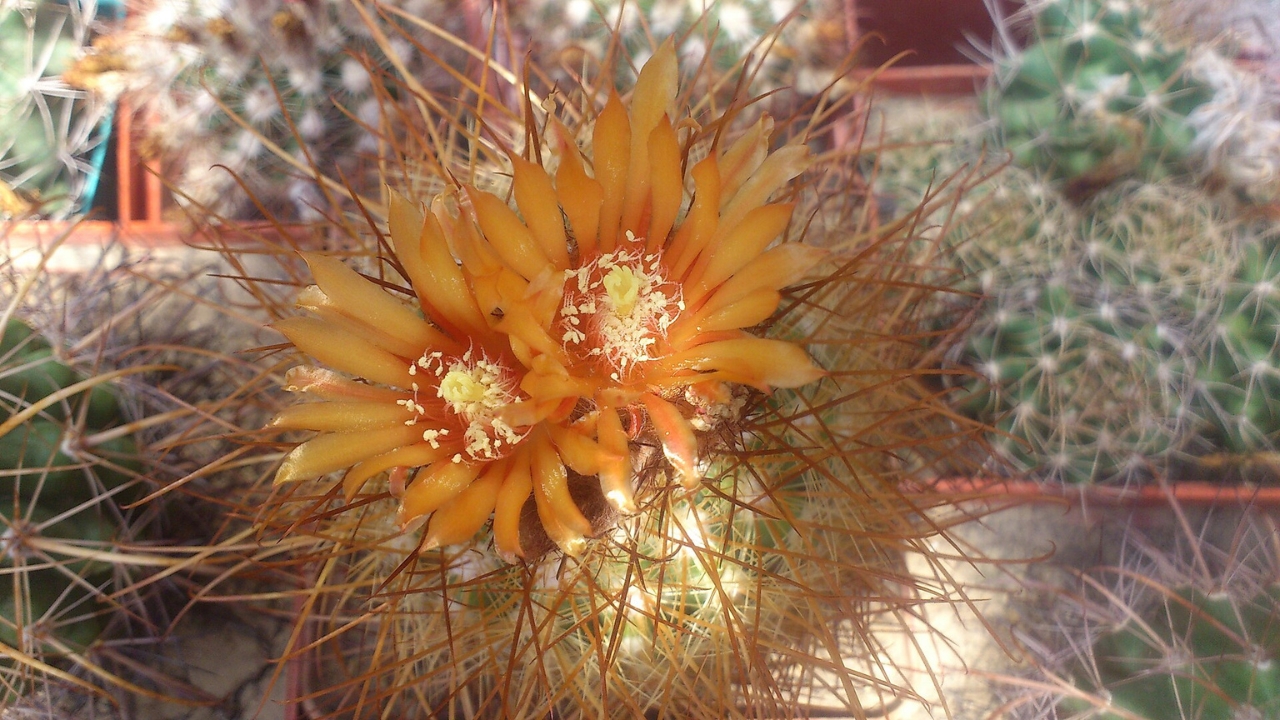
Parodia is a fascinating genus of cacti admired for its rounded shape, colorful flowers, and decorative spines. Native to South America, these compact cacti thrive in warm climates and are popular among indoor gardeners because of their manageable size and striking appearance. Although Parodia species are generally considered slow to moderate growers, the right growing conditions can significantly improve their growth speed, health, and flowering potential.
To grow Parodia faster, it is important to understand how these plants naturally develop. Unlike leafy houseplants, cacti store water in their stems and depend heavily on sunlight, warmth, airflow, and proper soil drainage. Their growth usually accelerates during the warmer months and slows down in colder seasons. By mimicking their native environment and avoiding common mistakes, gardeners can encourage healthier and faster development throughout the year.
Choosing the Right Parodia Variety
Some Parodia species naturally grow faster than others. Beginners often achieve better results with varieties known for steady growth and resilience. Popular choices include Parodia magnifica, Parodia leninghausii, and Parodia schumanniana. These varieties adapt well to containers and indoor conditions while responding positively to proper care routines.
Healthy nursery plants are equally important. When buying a Parodia cactus, look for firm stems, vibrant color, and roots free from rot or fungal damage. Avoid plants with soft spots, discoloration, or shriveled skin, as unhealthy roots and tissues can delay growth for months.
Starting with a strong, disease-free cactus gives the plant more energy for root development and stem expansion rather than recovery from stress.
Providing the Ideal Sunlight Conditions
Sunlight is one of the most critical factors for accelerating Parodia growth. These cacti thrive in bright environments and require several hours of direct or filtered sunlight each day. A south-facing or west-facing window is usually ideal for indoor cultivation, while outdoor plants benefit from morning sun and light afternoon shade in extremely hot regions.
Insufficient sunlight causes weak growth, pale coloring, and stretched stems. This condition, called etiolation, weakens the cactus and permanently affects its appearance. On the other hand, excessive harsh sunlight without gradual adaptation may scorch the plant.
To encourage faster growth, maintain consistent light exposure throughout the active growing season. If natural light indoors is limited, full-spectrum grow lights can supplement sunlight effectively. Artificial lighting positioned close to the plant for 10 to 12 hours daily can noticeably improve growth speed during cloudy periods or winter months.
Using Fast-Draining Soil for Strong Root Development
Healthy roots are the foundation of fast-growing Parodia cacti. Traditional garden soil retains too much moisture and often leads to root rot, which is one of the biggest threats to cactus health. A well-draining cactus mix allows oxygen to circulate freely around the roots while preventing water buildup.
An ideal Parodia soil mix typically contains coarse sand, pumice, perlite, or small gravel combined with a small amount of organic matter. This creates a loose texture that dries quickly after watering. Many gardeners improve commercial cactus soil by adding extra mineral material for even better drainage.
Repotting every two or three years also encourages healthier root systems. As roots expand, the cactus gains improved access to nutrients and moisture. Choose a pot only slightly larger than the previous one because oversized containers retain unnecessary moisture and slow down healthy development.
Terracotta pots are often preferred because they allow excess moisture to evaporate more efficiently than plastic containers.
Watering Properly to Accelerate Growth
Parodia cacti grow fastest when watered correctly during their active season. While cacti are drought tolerant, they still need regular moisture to support growth and flowering. The key is balancing hydration without allowing the roots to remain wet for too long.
During spring and summer, water thoroughly whenever the soil becomes completely dry. Deep watering encourages roots to grow downward and expand through the container. However, avoid frequent shallow watering because it weakens root development.
In cooler months, reduce watering dramatically. Overwatering during dormancy is a common mistake that causes fungal diseases and root damage. In winter, many Parodia species require only occasional light watering to prevent excessive shriveling.
Environmental conditions also affect watering frequency. Plants in warm outdoor environments may need water every week, while indoor specimens in cooler rooms may require less frequent hydration.
Observing the plant carefully is often more effective than following a strict schedule.
Maintaining Warm Temperatures for Continuous Growth
Parodia cacti prefer warm temperatures and grow most actively between 20°C and 30°C. Consistent warmth encourages faster metabolism, stronger roots, and steady stem expansion. Sudden temperature drops can stress the plant and temporarily halt growth.
Indoor growers should keep Parodia away from cold drafts, air conditioners, and freezing windows during winter. Outdoor plants benefit from sheltered positions that protect them from prolonged rain and low nighttime temperatures.
Although many Parodia species tolerate mild cold for short periods, frost exposure can permanently damage tissues. Warmth combined with bright light creates ideal conditions for rapid and healthy growth.
Humidity should remain relatively low because excessive moisture in stagnant air increases the risk of fungal infections. Good airflow around the plant helps maintain healthy skin and reduces disease problems.
Feeding Parodia With the Right Nutrients
Fertilizing properly can dramatically improve Parodia growth speed and flowering performance. During the active growing season, use a diluted cactus fertilizer once every four to six weeks. A balanced or low-nitrogen fertilizer works best because excessive nitrogen promotes weak, watery growth that is more vulnerable to rot.
Phosphorus and potassium are especially important for root development and flower production. Many experienced growers prefer fertilizers formulated specifically for succulents and cacti because they contain nutrients in suitable proportions.
Never fertilize dry soil. Water the plant lightly before feeding to prevent root burn. Overfertilizing is equally harmful and may damage sensitive roots or cause unnatural growth patterns.
During winter dormancy, stop fertilizing entirely. The plant naturally slows down during this period and does not require additional nutrients.
Improving Airflow and Preventing Diseases
Fast growth depends not only on water and nutrients but also on a healthy growing environment. Poor airflow around Parodia cacti can lead to fungal infections, pest infestations, and moisture-related diseases that stunt growth.
Place plants in well-ventilated areas where air circulates naturally. Outdoor plants generally grow faster because of improved airflow and stronger light intensity. Indoor growers can occasionally open windows or use gentle fans to reduce stagnant conditions.
Inspect the cactus regularly for pests such as mealybugs, spider mites, and scale insects. These pests feed on plant tissue and weaken the cactus over time. Early treatment with insecticidal soap, neem oil, or manual cleaning helps maintain vigorous growth.
Removing dead flowers and debris from the soil surface also reduces fungal problems and keeps the growing environment cleaner.
Encouraging Flowering While Supporting Growth
One of the biggest rewards of growing Parodia is its vibrant blooms. Healthy flowering often indicates that the cactus is thriving under proper conditions. While flowering requires energy, strong plants can continue growing steadily while producing blooms.
To encourage flowering, provide abundant sunlight and allow a cooler resting period during winter. Slightly reduced temperatures and limited watering during dormancy help trigger flower production in spring.
Once active growth resumes, gradually increase watering and fertilizer applications. Healthy roots and strong light exposure help the cactus produce larger, more colorful flowers.
Avoid moving the plant frequently while buds are developing because sudden environmental changes may cause bud drop.
Propagating Parodia for Faster Collection Growth
Propagation is an excellent way to expand a Parodia collection quickly. Many species produce offsets, also called pups, around the base of the main cactus. These offsets can be carefully removed and rooted in dry cactus soil.
Allow cut surfaces to dry and callous for several days before planting. This reduces the risk of rot and improves successful rooting. Once established, young offsets often grow surprisingly fast under warm and bright conditions.
Growing Parodia from seeds is also possible, although it requires more patience. Seeds germinate best in warm, lightly humid environments with indirect light. While seedlings start slowly, proper care eventually leads to strong and attractive mature plants.
Propagation not only increases plant numbers but also helps rejuvenate older specimens by redirecting energy into fresh growth.
Common Mistakes That Slow Down Parodia Growth
Many growers unintentionally slow down cactus growth through improper care habits. Overwatering is the most common issue and frequently leads to root rot, yellowing, and soft stems. Poor drainage compounds this problem and weakens the entire plant.
Insufficient light is another major growth inhibitor. Even healthy Parodia cacti struggle to grow properly in dim environments. Weak lighting reduces photosynthesis and causes elongated growth.
Using heavy garden soil, overfertilizing, and exposing plants to freezing temperatures can also damage roots and delay development. Frequent handling or unnecessary repotting may stress the cactus and interrupt active growth cycles.
Consistency is often the secret to success. Stable light, proper watering, warmth, and occasional feeding create an environment where Parodia can grow steadily and remain healthy for many years.
Creating the Perfect Long-Term Care Routine
Growing Parodia faster ultimately comes down to balancing all aspects of cactus care. Strong sunlight, fast-draining soil, controlled watering, warm temperatures, and proper feeding work together to create ideal growing conditions.
A healthy Parodia cactus rewards patience with steady expansion, vibrant coloration, and spectacular blooms. While these cacti may never grow as quickly as tropical houseplants, proper care can dramatically improve their development and overall appearance.
With attention to detail and a consistent routine, even beginner gardeners can cultivate thriving Parodia plants that continue to grow beautifully year after year.
