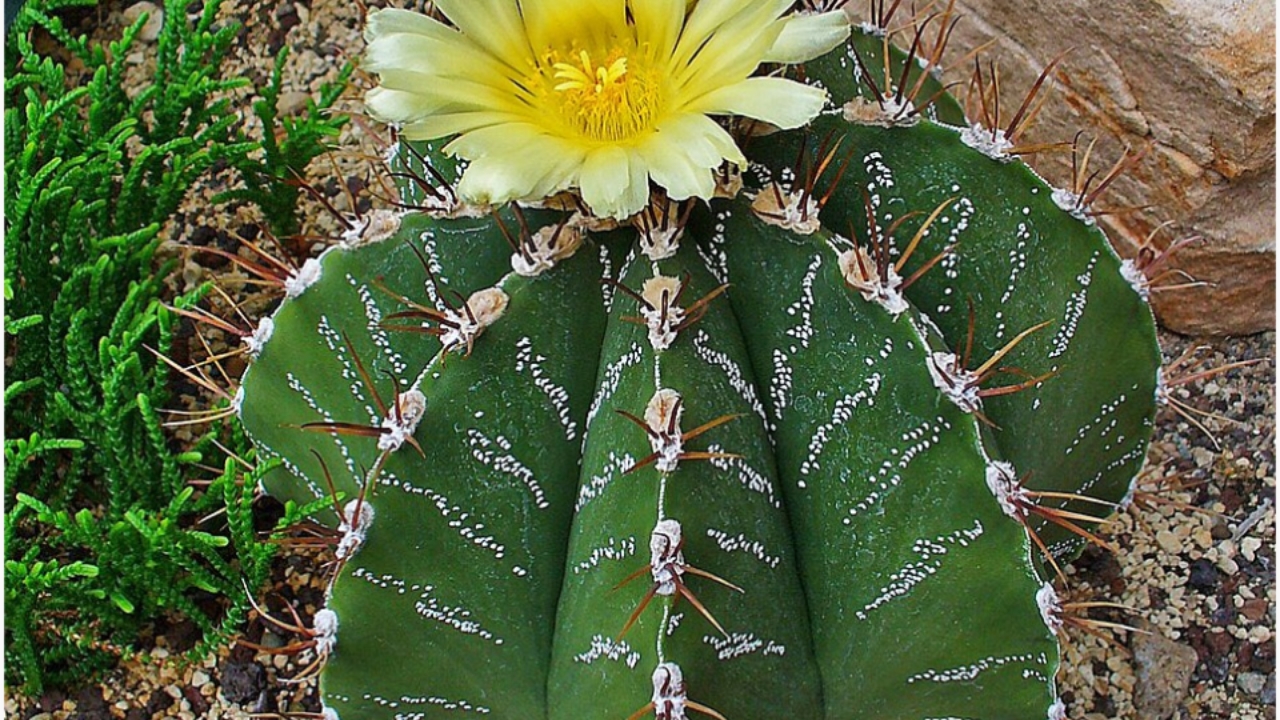
Astrophytum is one of the most fascinating cactus genera admired by collectors and beginners alike. Known for their geometric shapes, star-like ribs, and delicate patterns of white speckles, these cacti combine sculptural beauty with relatively simple care requirements. Native to the arid regions of Mexico and parts of southern Texas, Astrophytum species have evolved to survive harsh sunlight, rocky soils, and long dry periods, making them ideal for indoor cultivation and drought-tolerant gardens.
The name “Astrophytum” comes from the Greek words for “star plant,” which perfectly describes the appearance of many species when viewed from above. Some varieties remain small and compact for years, while others grow into tall columnar forms with striking yellow flowers during the growing season. Their slow growth and unusual appearance have made them highly desirable among succulent enthusiasts around the world.
Understanding the different types, flowering habits, and proper cultivation methods can help growers maintain healthy plants for decades. With the right balance of sunlight, watering, soil drainage, and seasonal care, Astrophytum cacti can thrive indoors, in greenhouses, or in warm outdoor landscapes.
Origin and Natural Habitat
Astrophytum cacti are primarily native to northern and central Mexico, where they grow in dry limestone deserts, rocky hillsides, and semi-arid grasslands. These environments experience intense sunlight during the day and cooler temperatures at night, with rainfall occurring only occasionally throughout the year.
The plants have adapted to these conditions through specialized features such as thick stems for water storage, waxy skin to reduce moisture loss, and dense white flecks that help reflect sunlight. Their roots are also adapted to absorb water quickly during rare rainstorms while surviving extended drought periods.
Because of their natural habitat, Astrophytum species prefer excellent airflow, gritty soils, and infrequent watering in cultivation. Replicating these conditions as closely as possible is the key to successful growth.
Popular Types of Astrophytum Cactus
Several species and cultivated hybrids are commonly grown by collectors, each with unique shapes, textures, and growth habits.
Astrophytum myriostigma, often called the Bishop’s Cap cactus, is among the most recognizable species. It typically has five smooth ribs without spines and is covered in tiny white dots that create a silvery appearance. This species is highly beginner-friendly and adapts well to indoor environments.
Astrophytum asterias is another famous species known for its flattened, button-like form. It resembles a sea urchin and usually grows low to the ground. Due to its compact size and symmetrical shape, it is highly valued among collectors.
Astrophytum ornatum is the tallest species in the genus and can eventually develop into a columnar cactus. It features prominent ribs, decorative white banding, and long spines. This species grows faster than many other Astrophytums and produces large yellow flowers.
Astrophytum capricorne stands out because of its twisted, curly spines that resemble goat horns. The dramatic spination gives it a wild appearance, contrasting beautifully with its bright yellow blooms.
Astrophytum coahuilense closely resembles A. myriostigma but differs in flower structure and subtle stem characteristics. It remains relatively rare in cultivation but is appreciated by experienced growers.
Hybrid varieties combining traits from different species are also increasingly popular. These hybrids may display unusual rib formations, enhanced speckling, or distinctive flower colors.
Growth Pattern and Size
Astrophytum cacti are generally slow-growing plants, especially when cultivated from seed. Young seedlings may take several years to develop mature rib structures and flowering capability. However, their gradual growth contributes to their compact form and long lifespan.
Most species remain relatively small, making them ideal for windowsills, container gardens, and greenhouse collections. Smaller varieties such as Astrophytum asterias may only reach a few inches in diameter, while larger species like Astrophytum ornatum can eventually grow several feet tall under ideal conditions.
Their growth rate depends on factors such as temperature, sunlight exposure, watering practices, and soil quality. Warm temperatures and bright light during the growing season encourage healthy development, while cool and dry winter conditions allow the plants to rest.
Because these cacti grow slowly, they do not require frequent repotting. Many specimens thrive for years in the same container as long as the soil remains fresh and well-draining.
Flowering Characteristics
One of the most rewarding aspects of growing Astrophytum cacti is their beautiful flowers. Most species produce bright yellow blooms with silky petals that open during sunny days. Some flowers may also feature orange or red centers, adding extra visual appeal.
Flowering typically occurs in spring or summer when temperatures rise and sunlight becomes more intense. Mature plants are more likely to bloom consistently, although healthy younger specimens may occasionally flower earlier.
The flowers emerge from the crown of the cactus and usually last several days. In many species, repeated blooming cycles can occur throughout the growing season if conditions remain favorable.
Providing sufficient sunlight is essential for encouraging flowers. Plants grown in dim indoor environments may survive but often fail to bloom. Proper winter dormancy with cooler temperatures and reduced watering also helps stimulate flowering in the following season.
After pollination, some species produce small fruits containing black seeds that can be collected for propagation.
Ideal Light Requirements
Astrophytum cacti thrive in bright conditions and generally require several hours of direct sunlight each day. Indoors, a south-facing or west-facing window usually provides the best exposure. Outdoors, they perform well in sunny patios, balconies, or desert gardens.
However, sudden exposure to intense sunlight can scorch the skin, especially if the plant has been grown in shade. Gradual acclimation is important when moving plants outdoors during warmer months.
In extremely hot climates, light afternoon shade may help prevent stress during peak summer heat. Signs of insufficient light include stretched growth, faded coloration, and weak rib development.
Artificial grow lights can also support healthy growth when natural sunlight is limited. Full-spectrum LED grow lights positioned close to the plant can improve compact growth and flowering potential.
Watering and Humidity Needs
Proper watering is one of the most important aspects of Astrophytum care. These cacti are highly sensitive to overwatering and root rot, especially in poorly draining soil.
During the active growing season in spring and summer, watering should occur only when the soil has completely dried out. Thorough watering followed by complete drying mimics natural desert rainfall patterns.
In autumn and winter, watering should be reduced significantly. Many growers keep their Astrophytums nearly dry during winter dormancy, especially in cooler temperatures.
Humidity should remain low to moderate. Excess humidity combined with poor ventilation can lead to fungal diseases and stem rot. Good airflow around the plant helps maintain healthy conditions.
Wrinkling or slight softness may indicate the need for water, while yellowing or mushy tissue often signals overwatering problems.
Soil and Potting Requirements
Astrophytum cacti require fast-draining soil to prevent excess moisture retention around the roots. Standard cactus mixes can be improved by adding mineral materials such as pumice, coarse sand, lava rock, or perlite.
A gritty soil composition promotes airflow and rapid drainage while reducing the risk of root diseases. Organic matter should remain minimal compared to traditional houseplant soils.
Containers with drainage holes are essential. Terracotta pots are especially useful because they allow moisture to evaporate more quickly than plastic containers.
Repotting is usually necessary every few years or when the plant outgrows its container. During repotting, damaged or rotten roots should be removed before replanting in fresh dry soil.
Temperature and Seasonal Care
Astrophytum cacti prefer warm temperatures during active growth, typically between 70 and 90 degrees Fahrenheit. They tolerate heat well when provided with proper ventilation and dry conditions.
Many species can survive brief periods of cooler temperatures, but frost protection is important. Prolonged freezing conditions can permanently damage or kill the plants.
Winter dormancy plays a valuable role in maintaining healthy growth cycles. During this period, cooler temperatures combined with reduced watering encourage stronger flowering in spring.
Indoor growers should avoid placing plants near cold drafts, heaters, or excessively humid rooms. Stable environmental conditions support long-term health and reduce stress.
Propagation Methods
Most Astrophytum species are propagated from seeds. Seed propagation allows growers to observe the fascinating development of young plants from tiny green seedlings into mature star-shaped cacti.
Fresh seeds germinate best in warm temperatures with bright indirect light and lightly moist soil. Germination may occur within days or weeks depending on conditions.
Some hybrid forms and rare cultivars may also be grafted onto faster-growing rootstocks to increase growth speed and improve survival rates.
Patience is essential because seedlings grow slowly during the first few years. However, seed-grown specimens often develop stronger natural forms compared to grafted plants.
Common Problems and Solutions
Overwatering remains the most common issue affecting Astrophytum cacti. Root rot can quickly develop if soil remains wet for extended periods. Preventing this problem requires excellent drainage and cautious watering habits.
Pests such as mealybugs and spider mites may occasionally attack weakened plants. Regular inspection and prompt treatment with insecticidal soap or alcohol swabs can help control infestations.
Sunburn can occur when plants are exposed to harsh direct sunlight too suddenly. White or brown scarred patches may develop on the stem surface. Gradual acclimation prevents most damage.
Fungal infections may appear in humid environments with poor airflow. Keeping plants dry and well-ventilated significantly reduces disease risks.
Conclusion
Astrophytum cacti offer an exceptional combination of beauty, symmetry, and low-maintenance care. Their star-like forms, decorative patterns, and vibrant yellow flowers make them standout additions to any cactus collection or indoor plant display.
Although they grow slowly, these fascinating plants reward patient growers with long-lasting beauty and seasonal blooms. By providing bright light, gritty soil, careful watering, and proper winter rest, gardeners can successfully cultivate healthy Astrophytum specimens for many years.
Whether you are a beginner exploring desert plants for the first time or an experienced collector searching for unique species, Astrophytum cacti remain among the most elegant and rewarding succulents to grow
