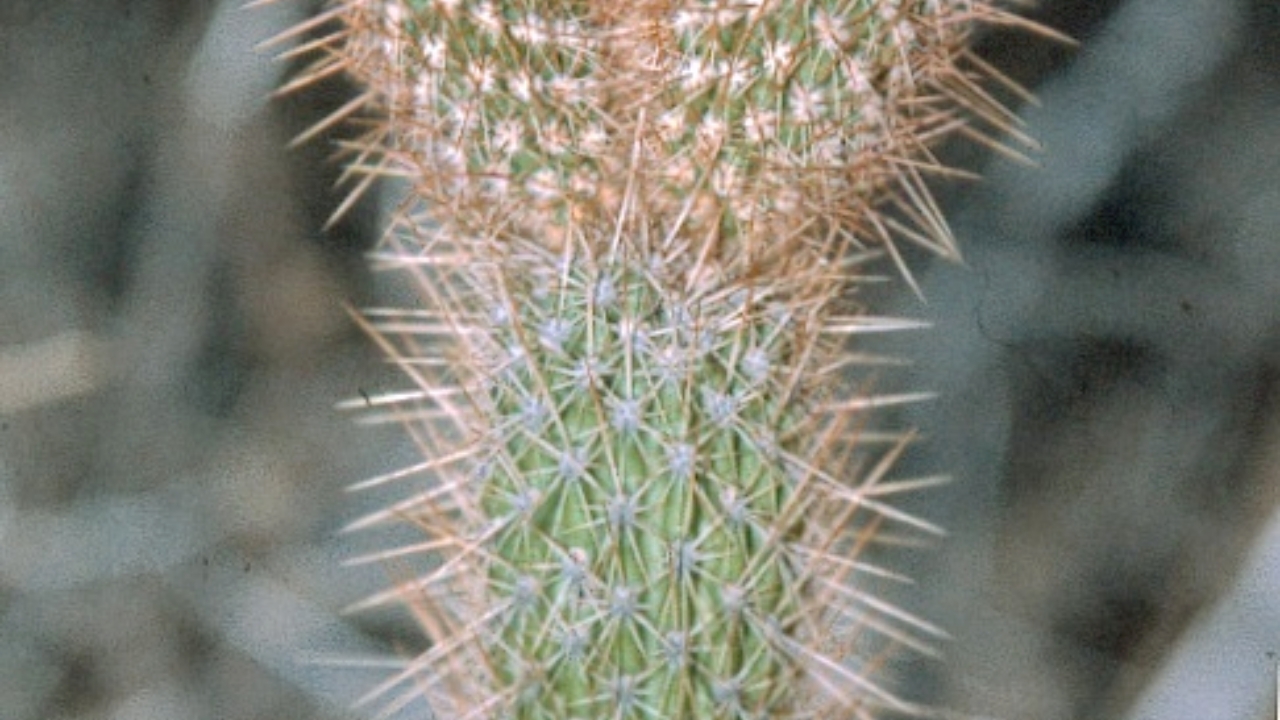
The Facheiroa cactus is a striking and resilient plant native to Brazil, particularly thriving in rocky, arid regions. Known for its columnar growth and dense spines, it is admired by collectors and gardeners for its architectural beauty and ability to adapt to challenging environments. With proper care, this cactus can live for decades, producing clusters of small, tubular flowers that add charm to its rugged appearance. Understanding its growth habits, watering needs, and propagation techniques is essential for anyone who wishes to cultivate it successfully.
Growth Characteristics
Facheiroa cacti typically grow upright, forming tall columns that can reach several meters in their natural habitat. In cultivation, they are more modest in size but still impressive. Their stems are ribbed, with spines arranged along the ridges, giving them a textured look. Growth is relatively slow, which makes them ideal for long-term container planting. They thrive in bright light and warm temperatures, mimicking the conditions of their native environment. When provided with ample sunlight, the cactus maintains a healthy green color and develops strong spines that protect it from pests and excessive water loss.
Ideal Environment
Creating the right environment is crucial for the health of a Facheiroa cactus. They prefer full sun exposure, so placing them near a south-facing window or outdoors in a sunny spot is ideal. In regions with intense heat, some afternoon shade can prevent scorching. The soil should be well-draining, typically a cactus or succulent mix with added sand or perlite to ensure water does not accumulate around the roots. Good airflow is also important, as stagnant conditions can encourage fungal growth. During colder months, they should be kept in a frost-free environment, as prolonged exposure to freezing temperatures can damage the plant.
Watering Requirements
Watering is one of the most critical aspects of Facheiroa cactus care. Like most cacti, they are highly drought-tolerant and prefer to dry out completely between waterings. During the growing season, which spans spring and summer, water thoroughly but infrequently, allowing excess moisture to drain away. In autumn and winter, reduce watering significantly, sometimes to once a month or less, depending on the indoor climate. Overwatering is the most common cause of problems, leading to root rot and eventual plant decline. A good rule of thumb is to check the soil with your finger; if it feels dry several inches down, it is time to water.
Fertilization Practices
Although Facheiroa cacti are adapted to poor soils, they benefit from occasional feeding during their active growth phase. A diluted cactus fertilizer applied once a month in spring and summer helps promote healthy growth and flowering. Avoid high-nitrogen fertilizers, as these can encourage weak, excessive growth that is prone to disease. Instead, choose a balanced formula with micronutrients to support overall plant health. Fertilization should be stopped in autumn to allow the plant to rest during its dormant period.
Flowering and Seasonal Changes
One of the most rewarding aspects of growing Facheiroa cacti is witnessing their blooms. The flowers are small but numerous, often appearing in clusters along the stem. They are typically tubular and can range in color from white to pinkish hues. Flowering usually occurs in summer when the plant receives ample sunlight and warmth. After flowering, the cactus may produce small fruits, adding further interest. Seasonal changes in light and temperature play a significant role in triggering blooms, so maintaining a natural rhythm of growth and dormancy is essential.
Propagation Techniques
Propagation of Facheiroa cacti can be achieved through seeds or cuttings. Growing from seed requires patience, as germination can be slow and seedlings delicate. Seeds should be sown in a sandy, well-draining mix and kept slightly moist until they sprout. Cuttings are a faster method, taken from healthy stems and allowed to callus before planting in dry soil. Once rooted, they can be treated like mature plants. Propagation not only expands your collection but also helps preserve this unique species, which is increasingly rare in the wild due to habitat loss.
Common Problems and Solutions
Like all plants, Facheiroa cacti can encounter issues if not cared for properly. Overwatering is the most frequent problem, leading to root rot. To prevent this, always ensure soil drainage is excellent and avoid watering during dormancy. Pests such as mealybugs and spider mites may occasionally appear, but these can be managed with insecticidal soap or by wiping the plant with alcohol-soaked cotton. Sunburn can occur if the cactus is suddenly exposed to intense light after being kept in shade, so gradual acclimatization is recommended. With attentive care, most problems can be avoided or quickly corrected.
Container and Landscape Use
Facheiroa cacti are versatile in both container and landscape settings. In pots, they make striking focal points, especially when paired with other succulents. Their upright growth adds vertical interest to arrangements. Outdoors, they can be planted in rock gardens or xeriscapes, where their drought tolerance shines. Containers should be chosen with drainage holes and sized appropriately to allow root growth without retaining excess moisture. Repotting every few years helps refresh the soil and provides space for continued development.
Long-Term Care and Maintenance
Caring for a Facheiroa cactus is a long-term commitment, but one that rewards patience with beauty and resilience. Regular monitoring of soil moisture, light exposure, and overall plant health ensures it thrives for many years. Cleaning dust from the spines with a soft brush helps maintain its appearance and prevents pests from hiding. Occasional pruning of damaged or diseased stems keeps the plant tidy. With consistent attention, the cactus becomes a living sculpture, embodying the rugged elegance of its native habitat.
Conclusion
The Facheiroa cactus is a remarkable plant that combines toughness with subtle beauty. Its slow growth, striking form, and seasonal flowers make it a prized addition to any cactus collection. By understanding its needs for sunlight, careful watering, and proper propagation, gardeners can enjoy a thriving specimen that endures for decades. Whether grown in containers or landscapes, this cactus brings a touch of the Brazilian wilderness into your home or garden, reminding us of the resilience and adaptability of nature.
