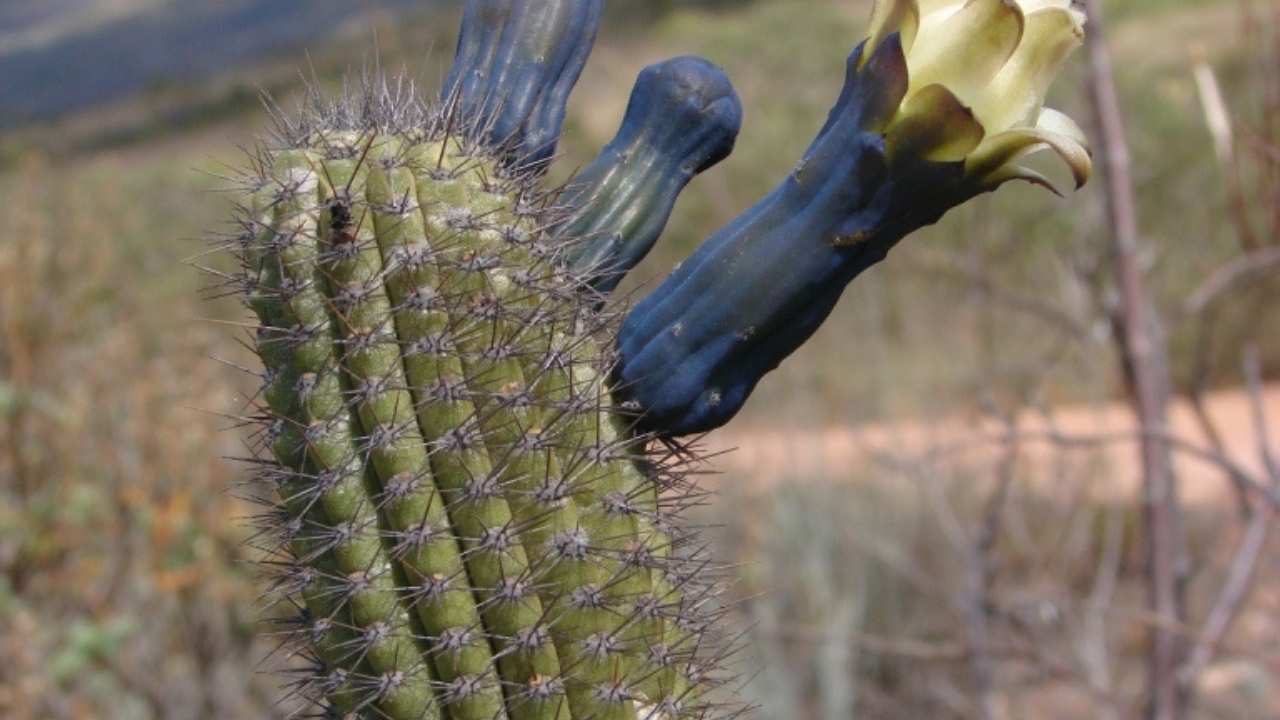
Cipocereus is one of the most fascinating cactus genera available to collectors and succulent enthusiasts. Native to specific regions of Brazil, these remarkable plants are admired for their striking blue-green stems, distinctive growth habits, and impressive resilience. While they are not as commonly found as many other cacti, their unusual appearance and relatively manageable care requirements make them highly desirable among growers.
Successfully cultivating Cipocereus requires an understanding of its natural habitat and growth patterns. Like many desert-adapted species, these plants thrive when provided with bright light, excellent drainage, and careful watering practices. However, there are several important details that can significantly influence their long-term health and development.
Understanding how to meet their environmental needs, encourage healthy growth, and propagate new plants can help gardeners enjoy these unique cacti for many years.
Understanding the Natural Habitat of Cipocereus
To grow any cactus successfully, it helps to understand where it originates. Cipocereus species are native to Brazil, where they often grow in rocky landscapes, hillsides, and areas with excellent drainage. These environments typically experience periods of intense sunlight, warm temperatures, and seasonal rainfall.
The plants have adapted to store water within their stems, allowing them to survive drought conditions that would challenge many other species. Their bluish coloration often results from a protective waxy coating that helps reduce water loss and shield tissues from excessive sunlight.
When recreating growing conditions at home, the goal is not necessarily to duplicate nature perfectly but to provide an environment that reflects these key characteristics.
Light Requirements for Healthy Growth
Light is one of the most important factors affecting the appearance and development of Cipocereus cacti. These plants generally perform best when exposed to abundant sunlight throughout the day.
Outdoor specimens often thrive in locations that receive direct morning and afternoon sun. In regions with extremely intense summer heat, a small amount of protection during the hottest part of the day may help prevent stress, especially for young plants.
Indoor growers should place Cipocereus near the brightest window available. South-facing windows are usually ideal in many locations. If natural light is insufficient, supplemental grow lights can provide the intensity needed to maintain compact growth and healthy coloration.
Insufficient light often results in stretched stems, weak growth, and a loss of the characteristic blue tones that make these cacti attractive.
Choosing the Right Soil Mix
Proper soil selection plays a major role in preventing problems associated with excess moisture.
Standard garden soil is usually too dense and retains water for extended periods. Instead, Cipocereus benefits from a fast-draining cactus mix designed to allow moisture to move through quickly.
Many experienced growers improve drainage further by incorporating materials such as pumice, coarse sand, lava rock, perlite, or small gravel. These components create air spaces within the soil and reduce the risk of root rot.
The ideal growing medium should dry relatively quickly after watering while still providing enough moisture retention to support healthy root function.
Selecting Suitable Containers
Container choice is often overlooked but can greatly influence plant health.
Pots with drainage holes are essential. Excess water must be able to escape freely after irrigation. Containers without drainage holes increase the likelihood of root problems and should generally be avoided.
Terracotta pots are especially popular for cacti because they allow moisture to evaporate through the porous walls. This helps the soil dry faster and can reduce the risk of overwatering.
Regardless of the container material, choosing an appropriately sized pot is important. Oversized containers tend to hold moisture longer than necessary, while very small containers may dry too quickly and restrict root development.
Watering Practices Throughout the Year
One of the most common mistakes in cactus care involves improper watering.
Although Cipocereus is drought tolerant, it still requires water during active growth periods. The key is allowing the soil to dry sufficiently between watering sessions.
During spring and summer, when growth is most active, thorough watering followed by a drying period usually produces the best results. Water should flow completely through the drainage holes, ensuring the entire root system receives moisture.
Before watering again, the soil should be allowed to dry significantly. Continuously moist soil can lead to root rot, fungal issues, and declining plant health.
As temperatures cool and growth slows during autumn and winter, watering frequency should be reduced substantially. Dormant plants require far less moisture and are more vulnerable to overwatering during this period.
Temperature Preferences and Climate Considerations
Cipocereus generally prefers warm conditions and performs best in temperatures commonly associated with tropical and subtropical climates.
Active growth occurs most vigorously when temperatures remain comfortably warm throughout the growing season. Extended periods of cold weather can slow development and increase the risk of damage.
While some mature specimens may tolerate brief exposure to cooler conditions, freezing temperatures can cause severe injury or death. Growers in colder regions often move container plants indoors before frost arrives.
When overwintering indoors, maintaining a cool but frost-free environment can support healthy dormancy while reducing stress.
Humidity and Air Circulation
Unlike many tropical houseplants, Cipocereus does not require high humidity levels. In fact, excessive humidity combined with poor airflow can encourage disease problems.
Good air circulation helps stems dry quickly after watering and reduces the likelihood of fungal growth. Outdoor cultivation naturally provides airflow in most situations, while indoor growers may benefit from occasional ventilation or gentle air movement.
Maintaining a balance between adequate airflow and protection from harsh conditions contributes to overall plant health.
Fertilizing for Strong Development
Although cacti are not heavy feeders, periodic fertilization can support stronger growth and improved vigor.
A balanced cactus fertilizer applied during the active growing season is often sufficient. Many growers fertilize monthly or every few weeks using diluted solutions to avoid excessive nutrient accumulation.
Overfertilization can produce weak, unnatural growth and may damage roots. Moderate feeding generally delivers better long-term results than aggressive fertilization programs.
Fertilizer applications should usually be reduced or discontinued during dormancy when growth naturally slows.
Recognizing Healthy Growth Patterns
A healthy Cipocereus typically exhibits firm stems, vibrant coloration, and steady development during favorable conditions.
New growth often appears at the stem tips and gradually expands over time. Depending on the species and age of the plant, growth rates may vary significantly.
Healthy specimens maintain strong structural integrity and show no signs of soft tissue, discoloration, or excessive stretching.
Monitoring growth patterns allows growers to identify potential problems before they become severe.
Propagating Cipocereus from Cuttings
Propagation through stem cuttings is one of the most common methods for producing new plants.
The process begins by selecting a healthy stem segment and making a clean cut using a sterilized tool. Once removed, the cutting should be placed in a dry location where the cut surface can form a protective callus.
This healing period is extremely important because planting a fresh cutting immediately can increase the risk of rot.
After the cut surface has dried completely, the cutting can be inserted into a well-draining cactus mix. Watering should be minimal until roots begin to form.
Over time, new roots develop and establish the young plant, eventually allowing normal care routines to resume.
Growing Cipocereus from Seed
Seed propagation requires greater patience but offers the opportunity to produce multiple plants and observe development from the earliest stages.
Fresh seeds generally provide the best germination rates. They are typically sown on the surface of a sterile, well-draining medium and kept lightly moist during the germination process.
Warm temperatures and bright indirect light encourage successful sprouting. Depending on environmental conditions and species characteristics, germination may take several weeks.
Young seedlings require careful monitoring because they are more sensitive to environmental fluctuations than mature plants.
Common Problems and Their Solutions
Most issues encountered with Cipocereus stem from cultural conditions rather than pests or diseases.
Overwatering remains the leading cause of failure. Symptoms may include soft stems, discoloration, unpleasant odors, or root decay. Adjusting watering practices and improving drainage often prevents these problems.
Insufficient light can result in elongated growth and weakened structure. Relocating the plant to a brighter area typically improves development.
Pests such as mealybugs, scale insects, and spider mites occasionally appear. Early detection allows for prompt treatment before infestations become severe.
Regular inspection helps maintain healthy plants and minimizes long-term complications.
Encouraging Long-Term Success
Growing Cipocereus successfully is largely about consistency. Providing appropriate light, allowing the soil to dry between waterings, and protecting the plant from prolonged cold creates a strong foundation for long-term cultivation.
These cacti are naturally adapted to challenging environments and often reward attentive growers with years of attractive growth. Their distinctive coloration and architectural form make them standout additions to cactus collections, succulent gardens, and container displays.
Patience also plays an important role. While some species grow steadily under favorable conditions, meaningful size increases may take time. Consistent care over many seasons ultimately produces healthier, more impressive specimens.
Final Thoughts
Cipocereus may not be as widely recognized as some popular cactus varieties, but its beauty and unique characteristics make it a rewarding plant for collectors and hobbyists alike. By understanding its natural preferences and providing suitable growing conditions, gardeners can cultivate strong, healthy specimens that thrive for many years.
Whether propagated from cuttings or grown from seed, these remarkable cacti demonstrate the resilience and adaptability that make desert plants so fascinating. With proper attention to light, soil, watering, and seasonal care, Cipocereus can become a striking centerpiece in any cactus collection and continue growing successfully for decades.
