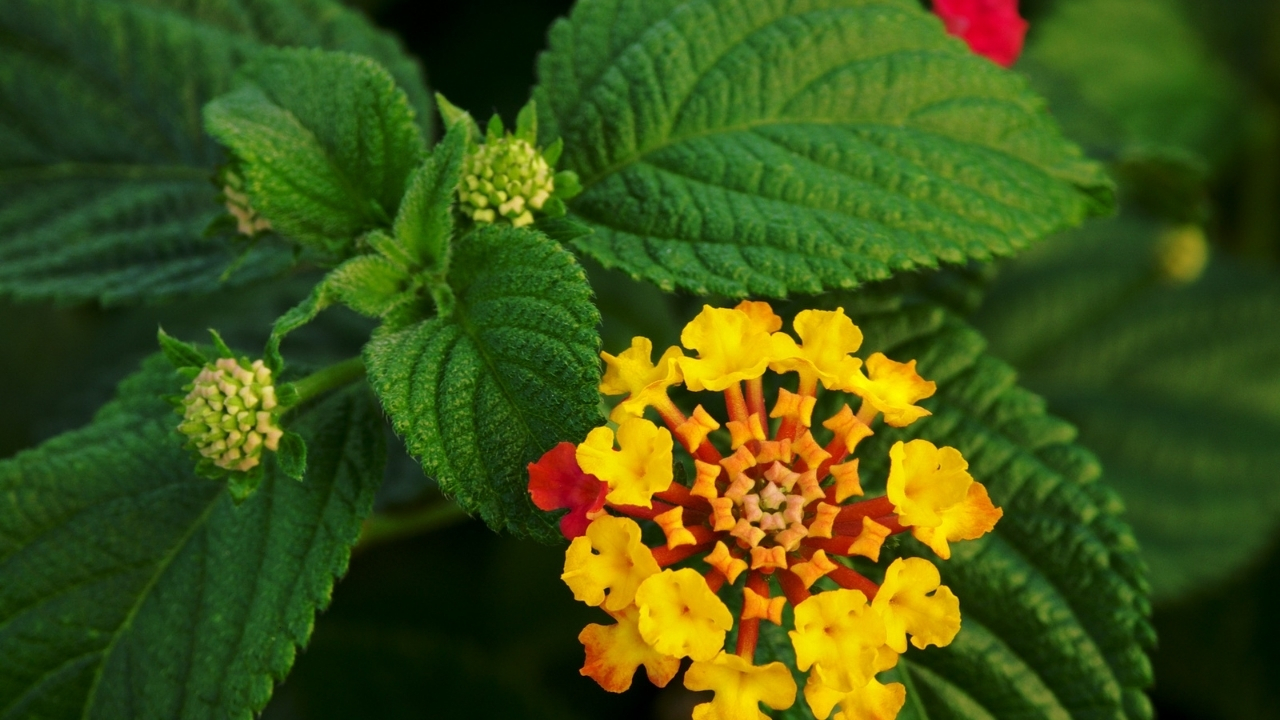
Lantanas are among the most rewarding flowering plants for gardeners who want vibrant color with minimal maintenance. Known for their clusters of brightly colored blooms and exceptional heat tolerance, these versatile plants thrive in gardens, containers, hanging baskets, and landscapes. Whether you are looking to attract butterflies, create a drought-resistant garden, or enjoy months of continuous flowers, lantanas are an excellent choice.
Native to tropical regions of the Americas, lantanas have become popular worldwide because of their adaptability and long blooming season. Their flowers often change color as they mature, creating stunning multi-colored clusters that add visual interest throughout the growing season. With proper planting, care, and occasional maintenance, lantanas can provide spectacular blooms from spring until the first frost in cooler climates, while remaining evergreen in warm regions.
Understanding Lantanas
Lantanas belong to the Verbena family and are grown as either perennial shrubs or annual bedding plants depending on the local climate. In frost-free areas, they grow year-round and may reach several feet in height and width. In colder regions, they are often treated as annuals or overwintered indoors.
The plant produces rough-textured, aromatic green leaves that release a distinct fragrance when crushed. The flower clusters come in shades of yellow, orange, pink, red, purple, white, and combinations of multiple colors within the same bloom. Their nectar-rich flowers make them one of the best plants for attracting butterflies, bees, and hummingbirds.
Choosing the Right Lantana Variety
There are many varieties of lantanas available, each suited for different gardening styles. Upright varieties are ideal for borders, hedges, and landscape beds, while trailing types work beautifully in hanging baskets, window boxes, and containers.
Compact dwarf cultivars fit well in smaller gardens and patio pots, whereas vigorous spreading varieties can quickly fill large spaces with colorful blooms. Choose a variety based on your available space, desired growth habit, and climate.
Best Growing Conditions
Lantanas perform best in warm, sunny environments. They require at least six to eight hours of direct sunlight each day to produce abundant flowers. The more sunlight they receive, the heavier their blooming becomes.
These plants tolerate high temperatures remarkably well and continue flowering even during hot summer weather when many other flowering plants begin to fade. Good air circulation around the plant also helps maintain healthy growth and reduces the chance of disease.
Soil Requirements
Well-drained soil is the single most important requirement for healthy lantanas. They adapt to many soil types, including sandy, rocky, and moderately poor soils, provided excess water drains away efficiently.
A slightly acidic to neutral soil pH is ideal, although lantanas tolerate a fairly wide pH range. Before planting, improve heavy clay soil with compost or coarse sand to enhance drainage. Excessively rich soil often encourages leafy growth at the expense of flowers, so moderate fertility is preferable.
How to Plant Lantanas
Plant lantanas in spring after all danger of frost has passed and soil temperatures have warmed. Select a location that receives full sunlight throughout the day.
Dig a hole approximately twice as wide as the root ball but no deeper than its original container. Place the plant so the top of the root ball sits level with the surrounding soil. Fill the hole with soil, gently firm it around the roots, and water thoroughly to eliminate air pockets.
Space plants according to their mature size. Compact varieties generally require about one to two feet between plants, while larger shrubs may need three to five feet of spacing to allow proper airflow and future growth.
Growing Lantanas in Containers
Lantanas make exceptional container plants because they tolerate heat and occasional dry conditions better than many annual flowers. Choose a pot with generous drainage holes and use a high-quality, well-draining potting mix.
Container-grown plants usually require more frequent watering than those planted in the ground, particularly during hot weather. Position containers where they receive full sunlight for the best flowering performance.
Regular feeding throughout the growing season helps container lantanas maintain continuous blooms and healthy foliage.
Watering Needs
Although lantanas become drought tolerant after establishment, newly planted specimens require consistent moisture while developing strong root systems.
Water deeply once or twice each week during the establishment period rather than giving frequent shallow watering. Mature plants generally need watering only during extended dry spells.
Allow the soil surface to dry slightly between waterings. Constantly wet soil can lead to root rot, reduced flowering, and weakened plants.
Container-grown lantanas should be checked more often because potting soil dries out faster than garden soil.
Fertilizing for Healthy Growth
Lantanas are relatively light feeders and often bloom better without excessive fertilizer. Apply a balanced slow-release fertilizer in early spring as new growth begins.
Avoid high-nitrogen fertilizers because they encourage lush foliage instead of flowers. If blooming slows during midsummer, a light application of balanced fertilizer can provide a gentle boost without overstimulating leafy growth.
Too much fertilizer may actually reduce flowering, making moderation the key to success.
Mulching Benefits
Applying a layer of organic mulch around lantanas helps conserve soil moisture, suppress weeds, and regulate soil temperature.
Keep mulch a few inches away from the main stems to prevent excessive moisture buildup around the crown. Organic materials such as shredded bark, pine needles, or compost gradually improve soil quality as they decompose.
Pruning and Maintenance
Regular pruning keeps lantanas neat, encourages bushier growth, and promotes continuous flowering.
Remove faded flower clusters to stimulate new blooms, although many modern varieties naturally continue flowering without frequent deadheading.
In early spring, cut back perennial lantanas by about one-third before new growth emerges. This rejuvenates the plant, removes winter damage, and encourages vigorous branching.
Light trimming throughout the season helps maintain an attractive shape and prevents plants from becoming overly leggy.
Encouraging More Blooms
Continuous flowering depends primarily on abundant sunlight and proper watering. Plants growing in shade often produce fewer flowers and become stretched.
Avoid overwatering and excessive fertilization, both of which encourage leaf production rather than blooms. Removing spent flower clusters, maintaining good airflow, and providing consistent sunlight all contribute to longer flowering periods.
Healthy plants can bloom continuously from late spring until frost, creating months of vibrant garden color.
Propagating Lantanas
Lantanas can be propagated through seeds or stem cuttings.
Stem cuttings are the preferred method because they produce plants identical to the parent variety. Take healthy four- to six-inch cuttings during spring or summer, remove the lower leaves, and place them in moist rooting medium. Warm temperatures and consistent humidity encourage successful rooting.
Seeds can also be collected from mature berries once they have fully ripened. However, seed-grown plants may not always resemble the parent plant, especially with hybrid cultivars.
Common Pests
Lantanas are generally resistant to many garden pests, but occasional problems may occur.
Aphids, whiteflies, spider mites, lace bugs, and mealybugs sometimes feed on leaves and stems, particularly during periods of stress. Regular inspection allows early detection before infestations become severe.
Strong water sprays, insecticidal soap, or neem oil treatments usually provide effective control while minimizing harm to beneficial insects.
Maintaining healthy growing conditions naturally improves the plant’s resistance to pest problems.
Common Diseases
Good drainage and proper spacing prevent most diseases affecting lantanas.
Overwatering may lead to root rot, while excessive humidity and poor airflow can encourage powdery mildew or fungal leaf spots. Remove infected leaves promptly and avoid overhead watering whenever possible.
Providing plenty of sunlight, maintaining good air circulation, and watering at the base of the plant significantly reduce disease risk.
Growing Lantanas Through the Seasons
During spring, new growth emerges quickly as temperatures rise. This is the ideal time for planting, fertilizing, and pruning.
Summer is the peak blooming season, with plants producing abundant colorful flowers even during intense heat. Water during prolonged droughts and continue light maintenance as needed.
In autumn, flowering often continues until the first frost. Reduce fertilization and prepare perennial plants for winter if you live in colder regions.
In frost-free climates, lantanas remain evergreen and continue growing year-round with only occasional maintenance.
Winter Care
Gardeners in warm climates can leave lantanas outdoors throughout winter with minimal protection.
In colder regions, perennial plants should be heavily mulched around the base before freezing temperatures arrive. Container-grown plants can be moved indoors to a bright, cool location until spring returns.
Water sparingly during winter dormancy, allowing the soil to remain slightly dry between waterings.
Landscaping Ideas
Lantanas add exceptional color to many landscape designs. They work beautifully in mixed flower borders, cottage gardens, pollinator gardens, rock gardens, and drought-tolerant landscapes.
Trailing varieties spill gracefully over retaining walls, hanging baskets, and raised planters, while upright shrubs create attractive focal points or colorful hedges.
Their long flowering season makes them excellent companions for ornamental grasses, salvias, coneflowers, lavender, and other sun-loving perennials.
Benefits of Growing Lantanas
Beyond their striking beauty, lantanas provide numerous practical advantages for home gardeners. Their drought tolerance reduces irrigation needs, making them environmentally friendly choices for water-wise landscapes.
The flowers continuously attract butterflies, bees, and hummingbirds, supporting valuable pollinators throughout the growing season. Their resilience against heat, poor soils, and occasional neglect also makes them ideal for beginners and experienced gardeners alike.
With minimal care, lantanas deliver months of colorful blooms while adding life, movement, and biodiversity to gardens of every size.
Conclusion
Lantanas are among the easiest flowering plants to grow successfully, rewarding gardeners with vibrant blooms, outstanding heat tolerance, and remarkable versatility. Whether planted in garden beds, borders, containers, or hanging baskets, these colorful plants provide continuous interest from spring through fall with surprisingly little maintenance.
By providing full sunlight, well-drained soil, moderate watering, occasional pruning, and balanced fertilization, you can enjoy healthy plants covered in brilliant flower clusters throughout the growing season. Their ability to thrive in challenging conditions while attracting butterflies and hummingbirds makes lantanas a valuable addition to nearly any landscape, ensuring lasting beauty and reliable performance year after year.
