Parsley is one of the most versatile and rewarding herbs you can grow at home. Known for its fresh flavor, vibrant green leaves, and impressive nutritional value, parsley enhances everything from soups and salads to sauces and garnishes. Whether you have a spacious backyard garden, a small balcony, or only a sunny windowsill, parsley adapts well to a wide range of growing conditions. With proper care, this hardy herb produces a continuous harvest for months, making it an excellent addition to any herb garden.
Growing parsley is relatively simple, but understanding its preferences for soil, sunlight, watering, and temperature can make the difference between a struggling plant and a lush, healthy one. This guide covers everything you need to know about growing parsley indoors and outdoors, including planting techniques, daily care, common problems, harvesting, and storage.
Understanding Parsley
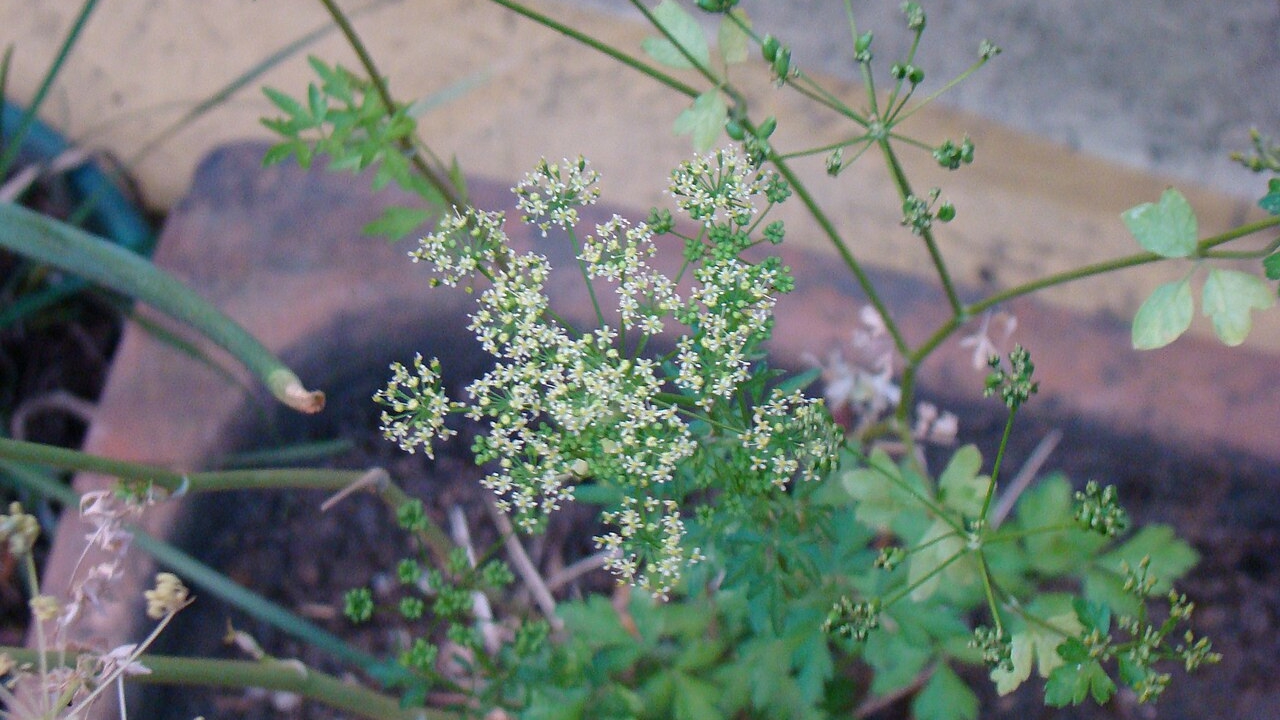
Parsley is a biennial herb that is commonly grown as an annual in most home gardens. During its first year, it produces abundant leafy growth. If left in the garden through winter, it enters its second year by producing flowers and seeds before completing its life cycle.
There are two primary types of parsley grown by gardeners. Curly parsley features decorative, tightly curled leaves and is often used as a garnish. Flat-leaf parsley, also called Italian parsley, has smooth leaves with a stronger flavor, making it the preferred choice for cooking. Both varieties are easy to grow and require similar care.
Parsley grows slowly from seed but rewards patient gardeners with months of fresh harvests.
Choosing the Best Location
Parsley performs best in locations that receive plenty of sunlight while remaining protected from extreme afternoon heat during the hottest months. Outdoors, choose a spot that receives at least six hours of direct sunlight daily. In warmer climates, partial afternoon shade helps prevent leaf scorching.
Indoors, place parsley near a bright south-facing or west-facing window where it receives ample natural light. If sunlight is limited, using a grow light for 12 to 14 hours daily helps maintain healthy growth and prevents the stems from becoming weak and leggy.
Good air circulation also helps reduce fungal diseases while encouraging vigorous growth.
Preparing the Soil
Healthy soil is one of the most important factors for growing productive parsley plants. The ideal soil is loose, fertile, and well-draining with plenty of organic matter mixed in before planting.
A soil pH between 6.0 and 7.0 is ideal. Heavy clay soils should be improved with compost to enhance drainage and root development. Sandy soils benefit from added compost to improve moisture retention.
For container gardening, use a high-quality potting mix rather than ordinary garden soil. Potting mixes provide better drainage and reduce the risk of soil-borne diseases.
Growing Parsley from Seeds
Parsley seeds are known for their slow germination. It is not unusual for them to take two to four weeks before sprouts appear.
To improve germination, soak the seeds in warm water for several hours or overnight before planting. Sow them about one-quarter inch deep in moist soil and lightly cover them. Keep the soil consistently moist but never waterlogged while waiting for germination.
Once seedlings develop several true leaves, thin them to allow adequate spacing between plants. Proper spacing improves airflow, reduces disease risk, and encourages larger leaf production.
Although parsley can be started indoors and later transplanted outside, many gardeners prefer direct sowing since parsley develops a long taproot that dislikes disturbance.
Growing Parsley in Containers Indoors
Parsley grows exceptionally well in containers, making it one of the easiest culinary herbs to maintain indoors throughout the year.
Choose a container that is at least eight to ten inches deep with drainage holes. The depth allows the taproot to develop properly while preventing root restriction.
Fill the container with nutrient-rich potting mix and place it where it receives bright light every day. Rotate the pot every few days so all sides of the plant receive equal sunlight, encouraging even growth.
Indoor parsley appreciates moderate room temperatures between 60°F and 75°F. Avoid placing containers near heating vents, air conditioners, or drafty windows, as sudden temperature changes may stress the plants.
Watering Parsley Properly
Parsley prefers consistently moist soil but does not tolerate soggy conditions. The goal is to maintain even moisture without allowing water to pool around the roots.
Check the top inch of soil regularly. Water when it begins to feel dry, soaking the soil thoroughly until excess water drains from the bottom of the container or into the garden soil.
Outdoor plants may require more frequent watering during hot weather, while indoor plants usually need less frequent watering because moisture evaporates more slowly.
Mulching around outdoor plants helps conserve soil moisture and reduces weed growth.
Fertilizing for Healthy Growth
Parsley benefits from regular feeding throughout the growing season. Before planting, incorporate compost or well-rotted organic matter into the soil to provide slow-release nutrients.
Container-grown parsley generally needs additional feeding because nutrients wash out of pots over time. Applying a balanced liquid fertilizer every three to four weeks supports continuous leaf production.
Avoid excessive nitrogen fertilization, which can produce lush foliage with reduced flavor intensity.
Temperature and Climate Requirements
Parsley is considered a cool-season herb and performs best in moderate temperatures.
Seeds germinate well when soil temperatures remain between 50°F and 70°F. Mature plants tolerate light frosts and often continue producing well into autumn.
In regions with extremely hot summers, providing afternoon shade and regular watering helps prevent heat stress. High temperatures may slow growth and encourage early flowering.
Indoor plants remain productive throughout the year when protected from temperature extremes.
Pruning and Regular Maintenance
Routine harvesting actually improves parsley growth by encouraging new leaves to emerge from the center of the plant.
Remove yellow, damaged, or aging leaves whenever they appear. This keeps the plant tidy while directing energy toward fresh growth.
If flower stalks begin forming, remove them immediately if your goal is continued leaf production. Once parsley flowers, the leaves gradually become tougher and less flavorful.
Keeping the surrounding area free from weeds also reduces competition for nutrients and water.
Common Pests and Diseases
Parsley is generally a hardy herb, but several pests occasionally become troublesome.
Aphids often cluster on young stems and leaves, feeding on plant sap. They can usually be removed with a strong stream of water or controlled using insecticidal soap.
Spider mites may appear during hot, dry weather, especially on indoor plants. Increasing humidity and washing leaves regularly helps reduce infestations.
Caterpillars sometimes feed on parsley leaves. While some are beneficial butterfly larvae, others may require hand removal if damage becomes excessive.
Overwatering and poor air circulation can lead to fungal diseases such as powdery mildew or root rot. Proper spacing, careful watering, and well-draining soil greatly reduce these problems.
Companion Planting Ideas
Parsley grows well alongside many vegetables and herbs. It makes an excellent companion for tomatoes, peppers, asparagus, carrots, onions, and roses.
Its flowers attract beneficial insects such as hoverflies, ladybugs, and parasitic wasps, which naturally help control common garden pests.
Avoid overcrowding parsley with large, fast-growing plants that may shade it excessively.
Harvesting Fresh Parsley
Harvest parsley once the stems contain several fully developed leaves. Always cut the outer stems near the base of the plant rather than picking individual leaves from the top.
This harvesting method allows the center of the plant to continue producing fresh growth while maintaining an attractive appearance.
Frequent harvesting actually encourages more vigorous leaf production throughout the season.
Never remove more than one-third of the plant during a single harvest, allowing sufficient foliage for continued healthy growth.
Storing and Preserving Parsley
Fresh parsley keeps well in the refrigerator for about a week when wrapped loosely in a damp paper towel or stored upright in a container with a small amount of water.
For long-term storage, parsley can be frozen whole, chopped, or blended with water into ice cube trays for convenient cooking portions.
Drying parsley is another option, although freezing generally preserves more of its fresh flavor and vibrant green color.
Saving Seeds
If growing parsley as a biennial, allow a healthy plant to flower during its second year. The flowers eventually produce seeds that mature as they dry on the plant.
Collect the seed heads once they turn brown and dry completely. Rub the seeds free, remove plant debris, and store them in an airtight container in a cool, dry location until the next planting season.
Freshly saved seeds often germinate better than older commercial seed packets.
Common Growing Mistakes to Avoid
Many gardeners become discouraged because parsley germinates slowly and assume the seeds have failed. Patience is essential, as germination commonly takes several weeks.
Overwatering is another frequent mistake that leads to root diseases and poor growth. Always allow the surface of the soil to dry slightly before watering again.
Growing parsley in shallow containers restricts its taproot and limits development. Choosing sufficiently deep pots encourages stronger, healthier plants.
Ignoring regular harvesting also reduces productivity. Frequent cutting stimulates fresh growth and extends the harvest season.
Conclusion
Parsley is one of the easiest and most rewarding herbs for gardeners of every experience level. Whether grown indoors on a sunny windowsill or outdoors in a vegetable garden, it offers continuous harvests of flavorful, nutrient-rich leaves with relatively little maintenance. By providing fertile soil, consistent moisture, adequate sunlight, and occasional feeding, you can enjoy healthy parsley plants throughout much of the year. With proper harvesting techniques and regular care, parsley will remain a productive and attractive addition to your kitchen and garden, supplying fresh herbs whenever you need them.
