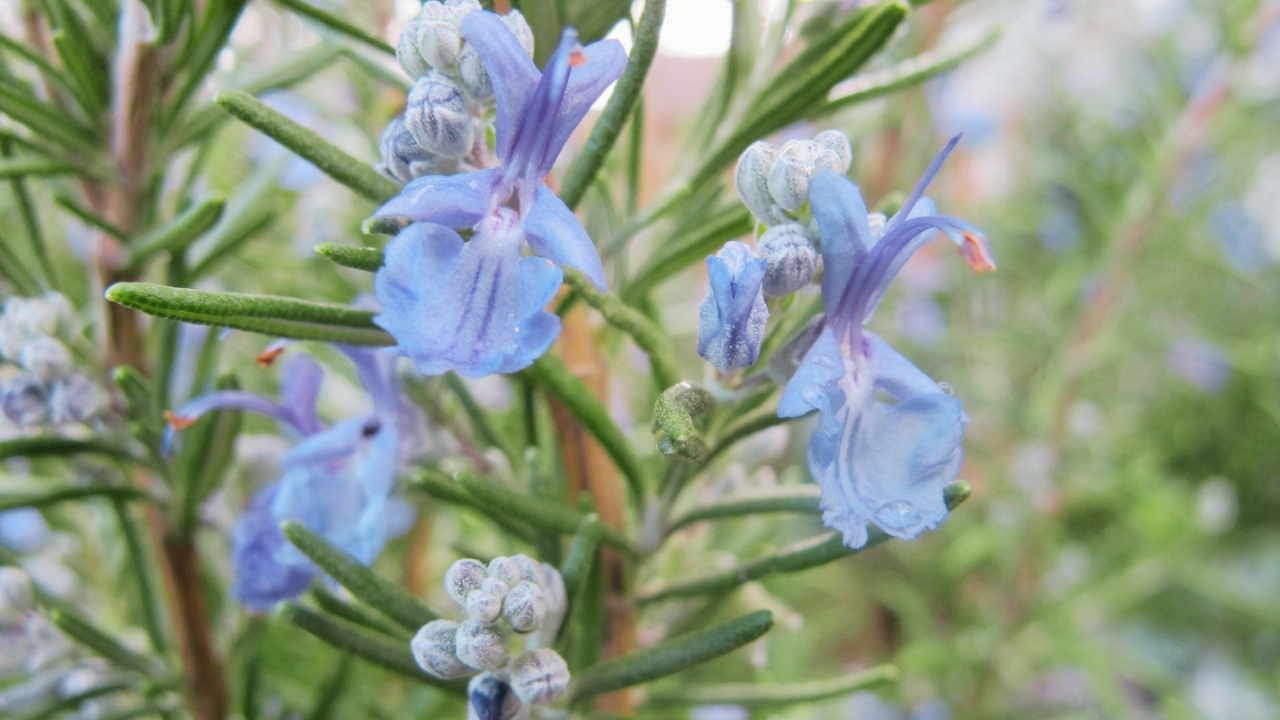
Rosemary is one of the most rewarding herbs you can grow, offering year-round beauty, wonderful fragrance, and endless culinary uses. Native to the Mediterranean region, this evergreen herb thrives in sunny, dry conditions and can live for many years with proper care. Its needle-like leaves release a rich aroma when touched, making it a favorite in herb gardens, patios, balconies, and landscapes.
Besides enhancing meals, rosemary is also valued as an ornamental plant because of its attractive evergreen foliage and delicate blue, purple, pink, or white flowers. It attracts bees and other beneficial pollinators while requiring relatively little maintenance once established. Whether you are growing rosemary in containers or directly in the garden, understanding its natural preferences is the key to long-term success.
Choosing the Right Rosemary Variety
Selecting the appropriate rosemary variety depends on how you plan to use the plant. Upright varieties are excellent for cooking, hedges, and decorative landscaping because they produce sturdy stems and abundant foliage. These varieties can eventually grow into large shrubs under ideal conditions.
Trailing or creeping rosemary varieties spread outward instead of growing upright, making them perfect for hanging baskets, retaining walls, raised beds, and container displays. Their cascading branches create an attractive appearance while still producing flavorful leaves suitable for culinary use.
When purchasing rosemary, choose healthy plants with vibrant green foliage, firm stems, and no signs of yellowing, wilting, or pest damage. Avoid plants with blackened stems or soggy soil, as these may indicate root problems.
Ideal Growing Conditions
Rosemary performs best in locations that receive at least six to eight hours of direct sunlight every day. Full sun encourages dense growth, stronger stems, and higher concentrations of aromatic oils within the leaves. While rosemary can tolerate partial shade, reduced sunlight often leads to weak, leggy growth and fewer leaves.
Warm temperatures suit rosemary perfectly. It thrives in mild to hot climates and tolerates periods of drought much better than excessive moisture. In regions with freezing winters, growing rosemary in containers allows you to move plants indoors during extremely cold weather.
Good air circulation is equally important. Crowded planting areas increase humidity around the foliage, encouraging fungal diseases. Providing enough space between plants helps keep leaves dry and healthy throughout the growing season.
Soil Requirements for Healthy Growth
One of the most important factors in growing rosemary successfully is providing excellent drainage. Rosemary naturally grows in rocky, sandy soils where water drains away quickly. Heavy clay or constantly wet soil often leads to root rot, which is one of the most common reasons rosemary plants decline.
A sandy or loamy soil mixed with coarse sand, gravel, or perlite creates ideal growing conditions. Soil should feel loose and crumbly rather than compacted. Slightly alkaline to neutral soil generally supports the healthiest growth, although rosemary adapts to a range of soil types if drainage remains excellent.
For container gardening, use a high-quality potting mix designed for herbs or succulents. Adding coarse sand or perlite further improves drainage and reduces the risk of overwatering.
Planting Rosemary Successfully
Plant rosemary after the danger of frost has passed in spring or during mild autumn weather in warm climates. Dig a hole slightly wider than the root ball but no deeper than the existing container. Position the plant so the top of the root ball remains level with the surrounding soil.
Backfill gently without packing the soil tightly around the roots. Water thoroughly after planting to settle the soil and eliminate air pockets. Once established, rosemary prefers relatively dry conditions, so avoid frequent watering.
When planting multiple rosemary shrubs, leave enough space between them to accommodate mature growth and encourage good airflow. Proper spacing also makes pruning and harvesting much easier later.
Watering Without Overdoing It
Rosemary prefers deep but infrequent watering. Newly planted rosemary requires regular watering until roots establish themselves, usually within several weeks. During this period, keep the soil slightly moist but never waterlogged.
After establishment, allow the soil to dry noticeably between waterings. Mature rosemary tolerates drought remarkably well and often performs better when slightly dry than when consistently wet. Overwatering weakens the roots, encourages fungal diseases, and reduces the plant’s overall vigor.
Container-grown rosemary usually dries out faster than garden plants, especially during hot weather. Check soil moisture by inserting your finger several inches into the potting mix. Water only when the upper portion has become dry.
Fertilizing Rosemary Properly
Rosemary is not a heavy feeder and generally thrives in moderately fertile soil. Excessive fertilizer encourages rapid leafy growth with reduced flavor and weaker stems. A light feeding in early spring is usually enough to support healthy development throughout the growing season.
Balanced slow-release fertilizer or a diluted organic liquid fertilizer can be applied sparingly. Compost mixed into the surrounding soil also provides gentle nutrition while improving soil structure.
Avoid frequent applications of high-nitrogen fertilizers, which produce lush but less aromatic foliage and may make plants more vulnerable to disease.
Growing Rosemary in Containers
Container gardening is an excellent option for rosemary, particularly in regions with cold winters or limited outdoor space. Choose a pot with generous drainage holes and enough room for future root growth. Clay or terracotta containers work especially well because they allow excess moisture to evaporate through their porous sides.
Place the container where it receives abundant sunlight throughout the day. Rotate the pot occasionally to encourage balanced growth on all sides.
Repot rosemary every few years if roots become crowded. Moving the plant into a slightly larger container with fresh potting mix rejuvenates growth and improves overall health.
Pruning for a Fuller Plant
Regular pruning keeps rosemary compact, productive, and attractive. Light trimming throughout the growing season encourages branching, resulting in denser foliage and increased leaf production.
Avoid removing more than one-third of the plant at any single pruning session. Focus on trimming soft green growth while avoiding cuts into thick, woody stems whenever possible. Older woody branches often regenerate slowly.
After flowering, lightly shaping the plant maintains its natural form while preventing excessive legginess. Consistent pruning also improves air circulation and reduces disease risk.
Harvesting Rosemary the Right Way
Rosemary can be harvested once the plant becomes well established and produces plenty of healthy stems. Harvest during the morning after dew has dried but before intense afternoon heat, as this is when essential oils are often at their highest concentration.
Use clean pruning shears to snip individual stems rather than pulling leaves by hand. Taking small amounts regularly encourages continued branching and fresh growth.
Fresh rosemary can be used immediately in cooking or preserved for later use. To dry rosemary, bundle several stems together and hang them upside down in a warm, dry, well-ventilated area. Once completely dry, strip the leaves from the stems and store them in airtight containers away from direct light and heat.
Propagating New Rosemary Plants
Propagation allows gardeners to create additional rosemary plants from existing ones. Stem cuttings are the easiest and most reliable method.
Select healthy, non-flowering stems approximately four to six inches long. Remove the lower leaves and place the cut end into moist propagation mix or water until roots begin forming. Once a healthy root system develops, transplant the cutting into well-draining soil.
Growing rosemary from seed is possible but often requires patience because germination rates can be inconsistent and seedlings develop slowly. Most gardeners prefer cuttings because they produce identical plants much faster.
Common Problems and Their Solutions
Although rosemary is generally resilient, several issues can occasionally appear. Yellow leaves often indicate excessive watering or poor drainage rather than nutrient deficiencies. Allowing the soil to dry more thoroughly usually resolves the problem.
Powdery mildew may develop under humid conditions with poor airflow. Providing full sun, adequate spacing, and careful watering at the base of the plant helps prevent fungal diseases.
Common pests include aphids, spider mites, and whiteflies. Regular inspection allows early detection before infestations become severe. Washing foliage with a strong stream of water or using insecticidal soap usually provides effective control while minimizing harm to beneficial insects.
Winter damage may occur in colder climates where freezing temperatures persist. Growing rosemary in portable containers or protecting outdoor plants with frost covers during severe cold can help prevent injury.
Long-Term Care for Thriving Rosemary
Rosemary becomes increasingly beautiful as it matures. Older plants develop attractive woody trunks and dense branching that add character to herb gardens and landscapes alike. Continued success comes from following a few simple habits: provide abundant sunshine, avoid excessive watering, prune regularly, and maintain excellent drainage.
Refreshing mulch around the plant while keeping it away from the main stem helps conserve moisture without trapping excess humidity. Seasonal inspections allow you to remove damaged branches, monitor for pests, and keep the shrub healthy throughout the year.
With consistent but minimal maintenance, rosemary can remain productive for many years, supplying fragrant leaves for cooking, beautiful evergreen foliage for the garden, and seasonal flowers that support pollinators. Its resilience, versatility, and timeless appeal make rosemary one of the most valuable herbs any gardener can grow, whether in a spacious landscape or a small container on a sunny balcony.
