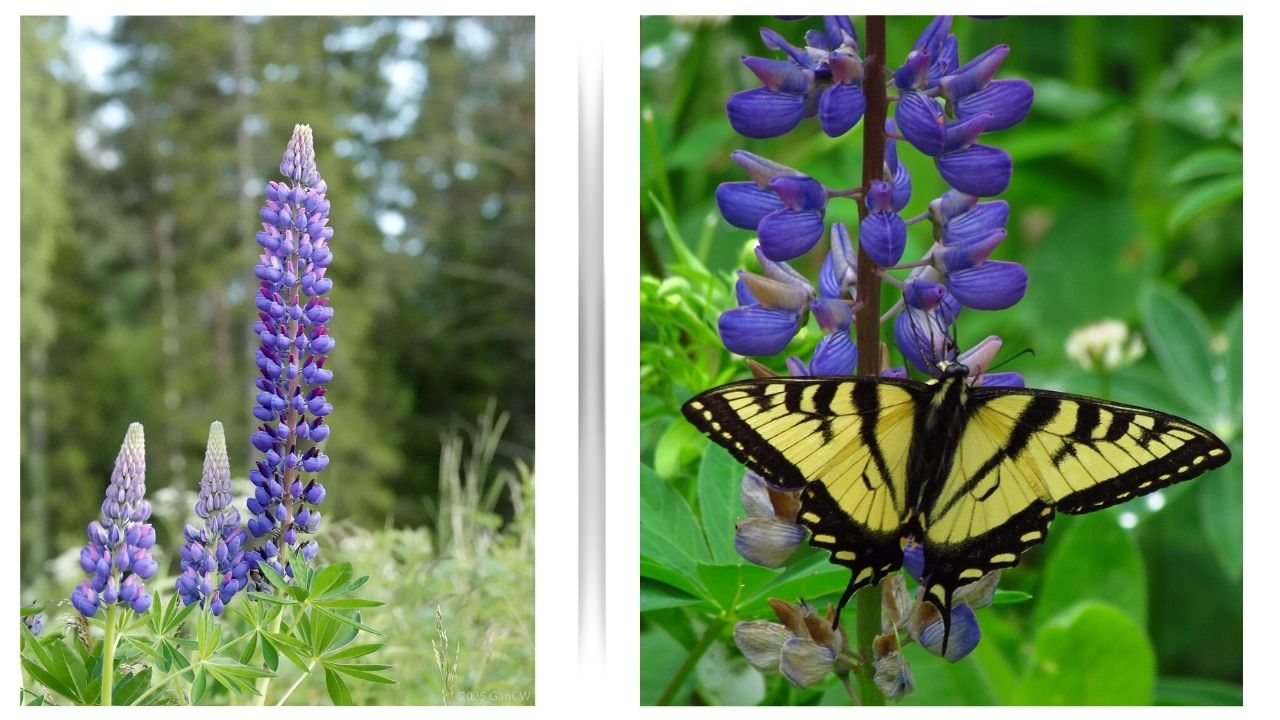
Lupine plants are among the most eye-catching flowering perennials you can grow, bringing dramatic spikes of colorful blooms to gardens throughout late spring and early summer. Their tall flower stalks, available in shades of blue, purple, pink, white, yellow, and even bi-colored combinations, create stunning displays that attract butterflies, bees, and other valuable pollinators. Whether planted in cottage gardens, wildflower meadows, borders, or natural landscapes, lupines add height, texture, and long-lasting beauty.
These plants belong to the legume family, meaning they have the unique ability to improve soil quality by fixing nitrogen through their roots. This natural process makes lupines beneficial companions for neighboring plants while reducing the need for additional fertilizers. Although they may appear delicate with their elegant flower spikes, established lupines are surprisingly hardy and capable of thriving in many climates when provided with suitable growing conditions.
For beginners, growing lupines may seem intimidating because they have a reputation for disliking root disturbance. However, with the right planting techniques and consistent care during their first season, they become dependable garden favorites that return year after year.
Choosing the Best Lupine Variety for Your Garden
Selecting the right variety is the first step toward growing healthy lupines. There are annual and perennial types, with perennial varieties being the most popular choice for home landscapes due to their long lifespan and impressive blooms.
Tall hybrid lupines can reach three to four feet in height and produce densely packed flower spikes in a wide range of colors. Native lupine species often have a more natural appearance and perform especially well in wildlife gardens, meadows, and restoration projects. Dwarf varieties are ideal for smaller gardens, containers, and edging along pathways.
When selecting seeds or young plants, consider your climate, available space, and desired flower colors. Purchasing high-quality seeds from reputable suppliers increases germination success and helps ensure vigorous plants with abundant blooms.
Finding the Ideal Growing Location
Lupines perform best in locations that receive plenty of sunlight. Six to eight hours of direct sunlight each day encourages strong stems, vibrant flowers, and healthy foliage. In regions with extremely hot summers, light afternoon shade can help protect plants from excessive heat stress while still allowing excellent flowering.
Proper air circulation is equally important. Crowded planting conditions may encourage fungal diseases, particularly during humid weather. Choosing an open area where breezes can move freely around the plants helps maintain healthier foliage throughout the growing season.
Because lupines develop long taproots, they prefer a permanent planting location where they can remain undisturbed for many years. Frequent transplanting often weakens the plants or causes them to decline.
Preparing Soil for Healthy Root Development
Healthy soil plays a major role in successful lupine growth. These plants prefer loose, well-draining soil that allows their deep roots to develop freely. Sandy or loamy soils generally provide ideal conditions, while heavy clay should be improved before planting.
Adding compost helps improve soil structure without making it overly rich. Excessive fertility often encourages leafy growth at the expense of flowers. Unlike many flowering plants, lupines do not require highly fertile soil because they naturally produce nitrogen through their root systems.
Slightly acidic to neutral soil usually produces the best results. If drainage is poor, raised beds or gently sloping planting areas can prevent standing water that may lead to root rot.
Removing rocks, weeds, and compacted soil before planting allows young roots to establish quickly and reduces competition during the first growing season.
Planting Lupine Seeds Successfully
Growing lupines from seed is rewarding and often the most economical way to establish a colorful garden. Lupine seeds have a tough outer coating that benefits from scarification before planting. Lightly nicking the seed coat or soaking seeds in warm water overnight helps moisture penetrate and improves germination.
Seeds can be sown directly outdoors after the danger of severe frost has passed or in autumn for natural winter stratification. Plant seeds about one-quarter to one-half inch deep and space them according to the mature size of the selected variety.
Keep the soil evenly moist during germination without allowing it to become waterlogged. Seedlings usually emerge within two to four weeks depending on soil temperature and weather conditions.
Since lupines dislike transplanting, direct sowing often produces stronger, healthier plants than starting them indoors.
Planting Nursery-Grown Lupines
Young nursery plants provide an excellent option for gardeners who want faster flowering. Handle the roots gently during planting because lupines are sensitive to root disturbance.
Dig a planting hole slightly wider than the root ball while keeping the planting depth the same as it was in the container. Fill the hole carefully, firm the soil lightly, and water thoroughly to eliminate air pockets.
Applying a light layer of mulch around the base helps conserve moisture while keeping weeds under control. Leave a small gap around the stems to prevent excess moisture from accumulating directly against the plant.
Watering Lupines the Right Way
Newly planted lupines require regular watering until their root systems become established. During this period, provide consistent moisture while allowing the soil surface to dry slightly between waterings.
Once mature, lupines become relatively drought tolerant and generally require less frequent irrigation. Deep watering encourages roots to grow downward, making plants more resilient during dry periods.
Avoid frequent shallow watering, which promotes weak surface roots. Likewise, overwatering should be avoided because saturated soil increases the risk of root diseases.
Morning watering is preferable, allowing foliage to dry during the day and reducing the likelihood of fungal infections.
Fertilizing Without Overfeeding
Lupines are not heavy feeders, making fertilization simple. In many gardens, little or no fertilizer is required once plants become established.
If soil quality is poor, incorporating compost before planting often supplies sufficient nutrients for healthy growth. Excessive nitrogen fertilizer should be avoided because it encourages lush foliage while reducing flower production.
If additional feeding becomes necessary, use a balanced, slow-release fertilizer sparingly during early spring before active growth begins.
Healthy soil combined with good drainage usually produces stronger plants than frequent fertilization.
Supporting Growth and Seasonal Maintenance
Tall lupine varieties occasionally benefit from staking, particularly in windy locations or areas that experience heavy spring rainfall. Installing supports early prevents flower spikes from bending or breaking as they develop.
Removing faded flowers encourages a tidier appearance and may stimulate a second, smaller flush of blooms later in the season. Deadheading also prevents unwanted self-seeding if you prefer a more controlled planting design.
After flowering ends, the attractive palmate foliage continues contributing texture to the garden. At the end of the growing season, remove damaged or diseased leaves to maintain overall plant health.
Leaving healthy foliage intact until it naturally declines allows the plant to store energy for next year’s flowers.
Common Problems and How to Prevent Them
Although generally resilient, lupines can occasionally experience challenges. Aphids are among the most common insect pests and often gather on developing flower spikes. A strong stream of water or encouraging beneficial insects usually keeps populations under control.
Slugs and snails sometimes feed on young seedlings, especially during damp weather. Protective barriers or regular garden inspections help minimize damage.
Powdery mildew may develop during humid conditions with poor air circulation. Proper spacing, good sunlight, and watering at the base rather than overhead greatly reduce disease risk.
Root rot is usually caused by poorly drained soil. Ensuring excellent drainage remains one of the most effective preventive measures.
Healthy growing conditions allow lupines to resist most problems naturally without requiring extensive intervention.
Growing Lupines in Containers
Although lupines are best suited for garden beds, compact varieties can be successfully grown in containers with sufficient depth to accommodate their taproots.
Choose a large container with excellent drainage holes and fill it with a loose, well-draining potting mix. Position the container in a sunny location and water whenever the upper layer of soil begins to dry.
Container-grown plants may require slightly more frequent watering than those growing in the ground, especially during warm weather. However, avoid keeping the potting mix constantly wet.
Repotting should be minimized because lupines dislike root disturbance. Selecting a spacious container from the beginning helps reduce future transplanting needs.
Propagation Methods for Expanding Your Garden
Most gardeners propagate lupines by seed because it is simple and highly successful. Keep in mind that hybrid varieties may not produce offspring identical to the parent plant, often resulting in interesting variations in flower color.
Division is generally not recommended because mature taproots are easily damaged during the process. Root cuttings may be successful for experienced gardeners, but seed propagation remains the easiest and most reliable method.
Allowing a few seed pods to mature naturally also encourages gentle self-seeding, creating attractive informal drifts throughout the garden.
Companion Plants That Pair Beautifully with Lupines
Lupines blend wonderfully with many classic flowering perennials. Their tall flower spikes contrast beautifully with rounded blooms and softer foliage textures, creating balanced garden compositions.
Popular companions include daisies, foxgloves, peonies, salvia, catmint, ornamental grasses, yarrow, and hardy geraniums. These combinations provide continuous color throughout the growing season while supporting pollinators with diverse nectar sources.
Because lupines enrich the soil with nitrogen, neighboring plants often benefit from improved growing conditions over time.
Enjoying Long-Lasting Beauty from Lupine Plants
Lupines reward gardeners with spectacular displays that brighten landscapes while supporting pollinators and improving soil health. Their colorful flower spikes create striking focal points in borders, cottage gardens, and naturalized settings, making them one of the most rewarding flowering perennials for gardeners of all experience levels.
By providing full sun, well-drained soil, moderate watering, and minimal fertilization, even beginners can successfully grow thriving lupines that return each year with increasingly impressive blooms. With proper planning and routine care, these elegant plants become lasting highlights that transform ordinary gardens into vibrant, wildlife-friendly spaces filled with seasonal color and natural charm.
