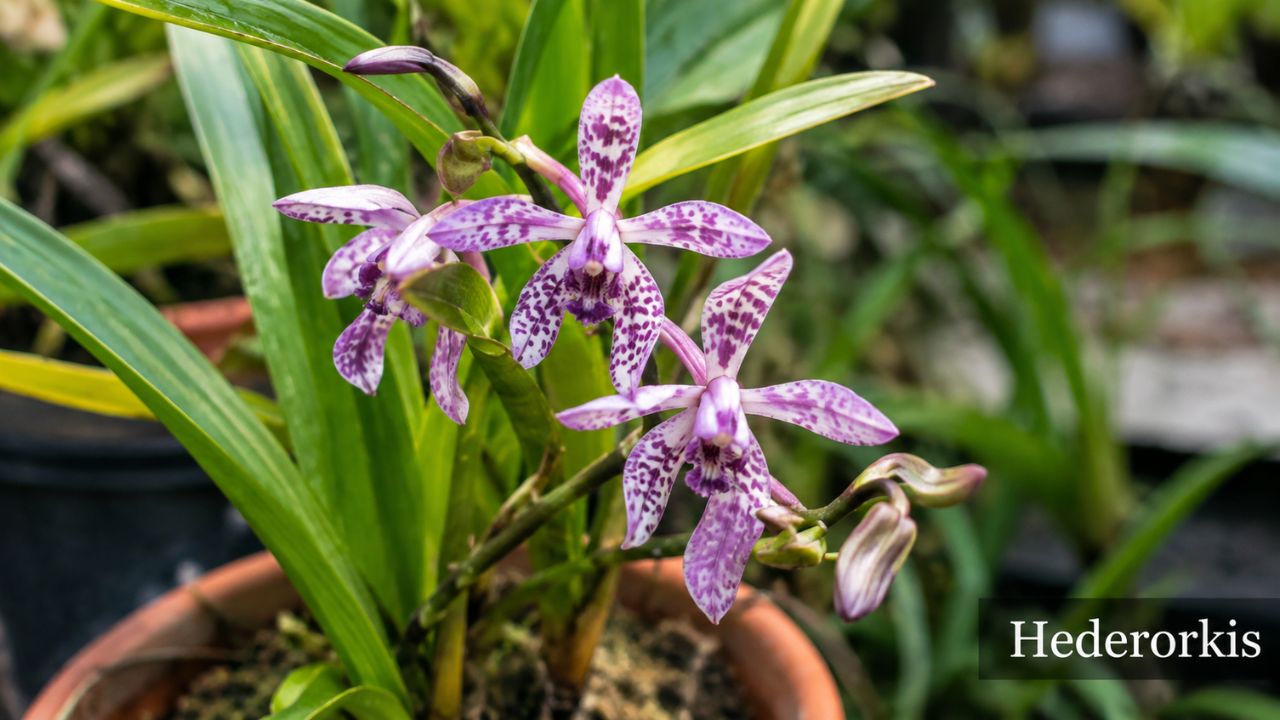
Hederorkis is a distinctive plant that can add an unusual and attractive presence to a carefully maintained garden or indoor growing collection. Like many less-common ornamental plants, it benefits from conditions that closely match its natural growing environment. Providing suitable light, moisture, airflow, temperature, and growing media is more important than simply watering it frequently. Once its basic requirements are understood, Hederorkis can be maintained successfully with a consistent and careful routine.
Before planting, it is useful to select a location where the plant can receive appropriate light without being exposed to harsh conditions. Good drainage is particularly important because constantly wet growing media can create problems for the roots. A balanced environment with moderate moisture and good air circulation will help establish healthy growth.
Choosing the Right Growing Location
The location you choose can have a major effect on the overall health of Hederorkis. A bright position with filtered or indirect light is generally preferable to an area exposed to intense direct sunlight for long periods. Strong afternoon sunlight can be particularly harsh and may cause stress or damage to delicate foliage.
For indoor cultivation, place the plant near a bright window where it receives plenty of natural light while remaining protected from excessive heat. If natural light is limited, supplemental grow lighting can help provide the consistency needed for healthy development.
Outdoor plants should be positioned where they receive suitable morning light and some protection from intense afternoon exposure. Avoid locations that remain completely dark or excessively exposed to strong winds.
Preparing the Soil and Growing Medium
Hederorkis should be grown in a loose, well-draining medium that allows excess water to move away from the roots. Heavy soil that remains saturated after watering can reduce airflow around the root system and increase the risk of root-related problems.
A quality planting mixture can contain organic material combined with components that improve drainage and aeration. The exact composition can be adjusted according to the growing environment, but the main objective is to create a medium that retains enough moisture for the plant without becoming waterlogged.
If growing Hederorkis in a container, always choose a pot with drainage holes. Do not allow excess water to remain trapped in a saucer beneath the container for extended periods.
How to Plant Hederorkis
Planting Hederorkis carefully gives the root system a better opportunity to establish itself. Start by preparing a container or planting area with fresh, well-draining growing medium. Make a hole large enough to accommodate the roots without bending or tightly compressing them.
Place the plant at approximately the same depth at which it was previously growing. Avoid burying the stem or crown unnecessarily, as excessive moisture around these areas can contribute to deterioration.
After positioning the plant, gently fill the surrounding space with growing medium and lightly firm it. Water the plant thoroughly enough to settle the medium around the roots, then allow excess water to drain away completely.
During the first few weeks after planting, monitor the plant closely. Newly established plants can be more sensitive to changes in moisture and temperature than mature specimens.
Watering Hederorkis Correctly
Watering is one of the most important parts of Hederorkis care. The goal is to provide adequate moisture while avoiding consistently saturated conditions. Instead of following a rigid daily watering schedule, check the growing medium regularly.
When the upper portion of the medium begins to dry, water the plant thoroughly until some water drains from the bottom of the container. This encourages moisture to reach the deeper root area. Allow excess water to escape before returning the plant to its normal position.
The frequency of watering depends on temperature, humidity, container size, growing medium, and light exposure. During warm or dry periods, Hederorkis may require water more frequently. In cooler conditions or during slower growth, watering may need to be reduced.
Overwatering can be just as harmful as underwatering. Yellowing foliage, persistently wet soil, unpleasant odors, and declining growth can indicate that the roots are receiving too much moisture.
Providing Proper Humidity
Maintaining suitable humidity can be beneficial, particularly when Hederorkis is grown indoors or in a dry environment. Extremely dry air can cause stress and may affect foliage quality.
A humid environment can be created naturally by grouping plants together or using a suitable humidity-management method. However, excessive humidity without adequate air movement can encourage fungal problems.
Good airflow is therefore important. Keep enough space around the plant for air to circulate freely, and avoid placing it directly against a wall or in a stagnant corner.
Temperature and Seasonal Care
Stable temperatures can help Hederorkis maintain consistent growth. Protect the plant from sudden temperature changes, cold drafts, and excessive heat. Indoor plants should generally be kept away from heating appliances, air-conditioning vents, and areas where temperatures fluctuate sharply.
During periods of active growth, maintain a consistent watering and observation routine. If growth naturally slows during cooler or less favorable conditions, reduce watering rather than continuing the same schedule used during warmer periods.
Seasonal changes may also affect light levels and humidity. Adjust the plant’s position or care routine when necessary instead of treating every season exactly the same way.
Feeding and Fertilizing Hederorkis
Hederorkis can benefit from appropriate nutrition during periods of active growth. A balanced fertilizer used according to its product directions can provide nutrients needed for foliage and overall development.
Avoid applying excessive fertilizer in an attempt to encourage faster growth. Too much fertilizer can build up in the growing medium and potentially damage the roots. Watering the plant properly and maintaining a healthy growing medium should remain the foundation of its care.
If the plant has recently been repotted, allow it time to adjust before applying strong fertilizer. A healthy root system should be established before intensive feeding begins.
Pruning and General Maintenance
Regular observation is more important than frequent pruning. Remove damaged, dead, or severely deteriorated plant material using clean tools. This improves the plant’s appearance and helps prevent damaged tissue from becoming a source of further problems.
Do not remove healthy growth unnecessarily. Excessive pruning can place additional stress on a plant that is already struggling.
Keep the growing area clean by removing fallen leaves and other decaying material. Inspect the foliage and stems regularly for unusual spots, discoloration, distorted growth, or visible pests. Early detection makes most maintenance problems easier to manage.
Repotting Hederorkis
Repotting may become necessary when the plant has outgrown its container or when the growing medium has deteriorated. Signs can include roots becoming crowded, water draining unusually quickly, or the plant becoming unstable in its container.
Choose a new pot only moderately larger than the existing one. An excessively large container can hold more moisture than the root system can use, increasing the risk of overly wet conditions.
When repotting, handle the roots gently and avoid unnecessary disturbance. Replace old, compacted growing medium with a fresh, well-draining mixture and water the plant carefully after repotting.
Common Problems and Their Solutions
Several common problems can be prevented through consistent care. Yellowing leaves may result from excessive moisture, inadequate light, nutrient problems, or natural aging, so the surrounding growing conditions should be checked before making changes.
Brown or dry leaf edges can occur when the environment is too dry or watering is inconsistent. Wilting may indicate either insufficient moisture or root stress caused by excessive watering. Checking the growing medium before watering helps distinguish between these conditions.
Pests should also be monitored regularly. If insects appear, isolate affected plants when possible and address the infestation promptly using an appropriate plant-safe treatment.
Propagating Hederorkis
Propagation methods depend on the specific Hederorkis species and its growth characteristics. When propagation is appropriate, healthy plant material should be selected from a vigorous parent plant.
Clean tools should be used to reduce the possibility of transferring diseases. Newly propagated material generally requires stable moisture, suitable humidity, appropriate light, and protection from environmental stress while roots or new growth develop.
Patience is important during propagation. Avoid repeatedly disturbing new cuttings or divisions simply to check for root development.
Keeping Hederorkis Healthy Long Term
Long-term success with Hederorkis comes from consistency rather than complicated care. Provide suitable light, use a well-draining growing medium, water according to actual moisture levels, maintain good airflow, and monitor the plant regularly.
Avoid making several major changes at once when the plant shows signs of stress. Instead, examine its light, moisture, temperature, drainage, and root conditions systematically. Small adjustments are often more effective than drastic changes.
With the right environment and attentive maintenance, Hederorkis can remain an interesting and rewarding addition to a plant collection. Understanding its basic requirements and responding to seasonal changes will help support steady, healthy growth while reducing many of the problems associated with improper watering, poor drainage, and unsuitable growing conditions.
