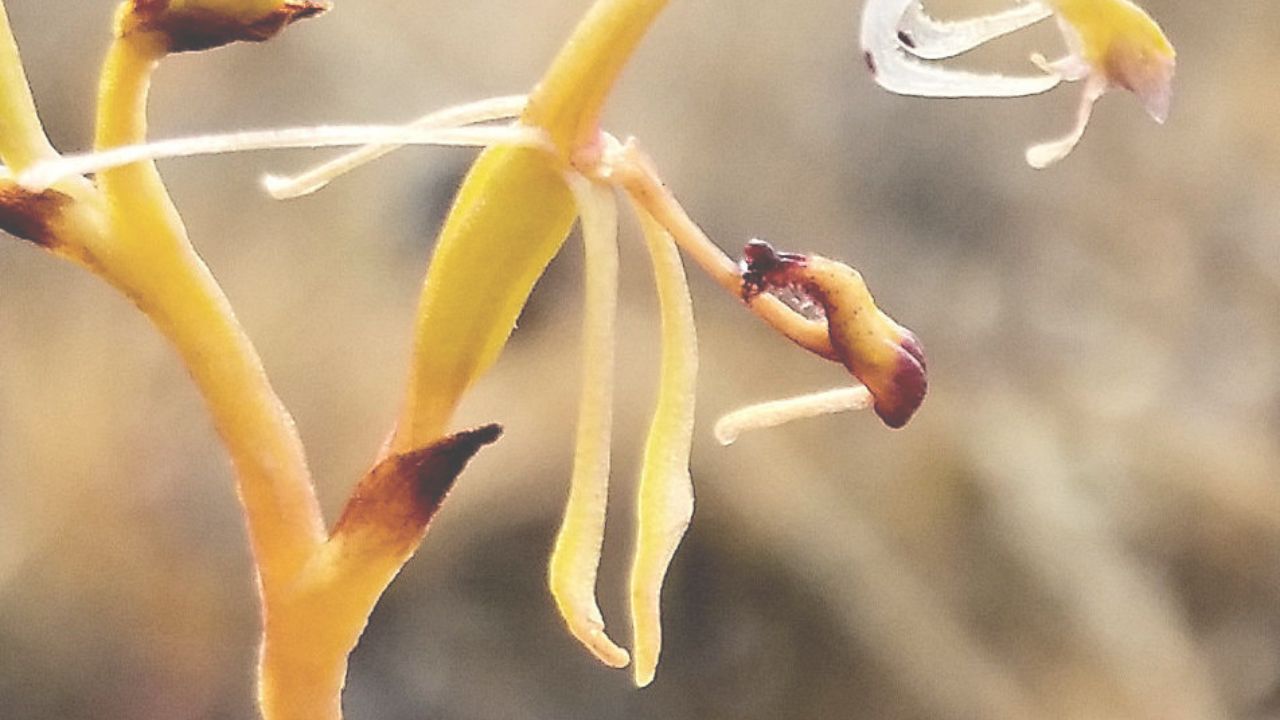
Auxopus is a distinctive plant genus that can be an interesting addition to a collection for gardeners who enjoy growing less common plants. Because Auxopus is not as widely cultivated as many familiar ornamental species, successful care begins with understanding its natural growing conditions and avoiding assumptions based on unrelated plants. Light, moisture, soil structure, temperature, and airflow all influence how well the plant establishes and develops.
The most important principle when growing Auxopus is balance. The growing medium should provide enough moisture to support healthy growth without remaining constantly saturated. Likewise, the plant generally benefits from suitable light and good ventilation rather than extreme conditions. Paying attention to how the plant responds to its environment is often more useful than following a rigid watering schedule.
Choosing the Right Location for Auxopus
Selecting an appropriate growing location is one of the first steps toward maintaining a healthy Auxopus plant. A position with bright, filtered light is generally preferable to harsh, direct exposure, particularly during the hottest part of the day. Strong sunlight can cause stress when a plant has not been gradually acclimated, while insufficient light can contribute to weak or slow growth.
Indoors, Auxopus can be positioned near a bright window where it receives plenty of indirect natural light. If natural lighting is limited, supplemental grow lighting may help maintain consistent conditions. Outdoors, a sheltered position that receives suitable light while being protected from severe weather can be more practical.
Air circulation is also important. Gentle airflow helps the foliage dry naturally after watering and reduces the conditions that encourage fungal problems. However, avoid placing the plant directly in the path of strong fans, heating vents, or air-conditioning outlets.
Preparing the Soil and Growing Medium
A suitable growing medium should drain efficiently while still holding enough moisture around the roots. Heavy, compacted soil can restrict airflow around the root system and allow water to remain stagnant for too long. This can increase the risk of root problems and make it difficult to maintain consistent growing conditions.
A quality, well-draining potting mix can be used as a starting point, with amendments added when necessary to improve drainage and aeration. Organic material can provide structure and nutrients, while coarse components can help prevent excessive compaction. The exact mixture should be adjusted according to the growing environment, container size, and how quickly the medium dries.
Before planting, make sure the container has adequate drainage holes. Excess water should be able to escape freely rather than collecting at the bottom of the pot.
How to Plant Auxopus
Planting Auxopus carefully gives the root system a better opportunity to establish. Select a clean container that is appropriately sized for the existing root system. Avoid immediately placing a small plant into a very large pot because excess unused soil can stay wet for longer than the roots require.
Fill the container partly with the prepared growing medium and position the plant so that its roots are comfortably supported. Add more medium around the root system without pressing it down excessively. The plant should sit at approximately the same depth at which it was previously growing unless there is a specific reason to adjust the planting depth.
After planting, water the medium thoroughly enough to settle it around the roots. Allow excess water to drain completely. During the initial establishment period, keep environmental conditions stable and avoid unnecessary disturbance.
Watering Auxopus Correctly
Water management is one of the most important aspects of Auxopus care. Instead of watering automatically on a fixed daily schedule, check the growing medium and consider the plant’s environmental conditions. Temperature, humidity, container size, airflow, and light exposure can all affect how quickly moisture disappears.
When the upper portion of the growing medium has dried to an appropriate level, water thoroughly and allow excess moisture to drain. Avoid repeatedly adding small amounts of water if the deeper soil remains wet. This can create inconsistent moisture levels and may encourage unhealthy root conditions.
During cooler or less active periods, the plant may require less frequent watering. During warmer periods or active growth, moisture may be lost more quickly. Observing the plant and the growing medium is therefore more reliable than following a fixed number of days between waterings.
Providing Suitable Temperature and Humidity
Auxopus should be protected from sudden and extreme environmental changes whenever possible. A stable growing environment generally makes it easier for the plant to maintain steady growth. Avoid exposing the plant to freezing temperatures unless the particular species is known to tolerate them.
Humidity requirements can vary depending on the species and its natural habitat. If the surrounding air is very dry, the plant may benefit from a more humid environment, but increasing humidity without adequate airflow can create other problems. Good ventilation should therefore accompany higher humidity.
Indoor growers can monitor the area around the plant rather than focusing only on the humidity immediately around the leaves. If the plant shows signs of stress, consider whether temperature, moisture, light, and airflow are balanced before making major changes.
Feeding and Fertilizing Auxopus
Nutrients support healthy foliage and overall plant development, but excessive fertilizer can cause more harm than good. Auxopus should be fertilized according to its growth stage and the nutrient content already present in the growing medium.
A balanced fertilizer used at an appropriate dilution can provide general nutritional support during active growth. Follow the fertilizer manufacturer’s directions rather than assuming that stronger applications will produce faster results. Overfertilization can lead to salt accumulation around the roots and may damage sensitive root tissues.
If the plant has recently been repotted into fresh, nutrient-rich growing medium, additional fertilizer may not be immediately necessary. Feeding can usually be adjusted as the plant becomes established and begins producing consistent new growth.
Pruning and General Maintenance
Routine maintenance helps keep Auxopus healthy and attractive. Remove dead, damaged, or severely deteriorated plant material using clean tools. This improves appearance and prevents damaged tissue from remaining unnecessarily attached to the plant.
Avoid excessive pruning, especially when the plant is already stressed. Healthy leaves contribute to photosynthesis and should generally be retained. If shaping is necessary, make small, deliberate cuts rather than removing large amounts of growth at once.
Regularly inspect the leaves, stems, and growing medium. Early observation can help identify changes in moisture, pest activity, nutrient problems, or environmental stress before they become serious.
Managing Common Growing Problems
Several problems can occur when Auxopus is grown under unsuitable conditions. Yellowing leaves, for example, can have multiple causes, including excessive moisture, insufficient light, nutrient imbalance, natural aging, or root stress. A single symptom should therefore not automatically be attributed to one problem.
Wilting can also occur because of either insufficient moisture or damaged roots caused by excessive moisture. Checking the growing medium before watering is a useful first step. If the soil is already wet but the plant continues to wilt, investigate root and environmental conditions instead of simply adding more water.
Brown or damaged leaf edges may result from environmental stress, inconsistent moisture, excessive direct sunlight, or dry air. Adjust conditions gradually rather than making several major changes simultaneously.
Repotting Auxopus When Necessary
Auxopus does not necessarily need frequent repotting. Repotting is most useful when the current container has become restrictive, the growing medium has deteriorated, or drainage has become poor. Signs such as roots filling the container or water passing through the pot unusually quickly may indicate that the plant needs attention.
When repotting, choose a container only moderately larger than the existing one. Carefully remove the plant, inspect the roots, and replace damaged or deteriorated growing medium. Handle the root system gently because unnecessary root disturbance can slow recovery.
After repotting, provide stable light and moisture while the plant adjusts. Avoid heavy fertilization immediately after the process unless the plant’s specific requirements indicate otherwise.
Propagating Auxopus Successfully
Propagation methods depend heavily on the particular Auxopus species and the reproductive characteristics of the plant. Some plants may be propagated from seed, while other species may require specialized techniques. Because Auxopus is a relatively uncommon cultivated genus, species-specific information should be confirmed before attempting propagation.
For seed propagation, fresh and viable seed, a clean growing medium, suitable moisture, and stable environmental conditions are important. Keep the medium appropriately moist without allowing it to remain waterlogged.
If vegetative propagation is appropriate for the species, healthy plant material should be selected and handled with clean tools. Newly propagated plants generally require careful moisture management and protection from environmental extremes until roots become established.
Seasonal Auxopus Care
Care should change with the seasons rather than remaining identical throughout the year. During active growth, Auxopus may require more frequent monitoring of moisture, light, and nutrients. Warmer temperatures can increase evaporation, while increased growth may increase nutritional demand.
During cooler or less active periods, growth may slow and the plant may use less water. Continuing a summer watering routine during a cooler period can leave the growing medium excessively wet. Adjust watering according to actual conditions.
Seasonal changes in indoor light can also affect growth. A plant that receives adequate light during summer may require a brighter position during darker months.
Creating a Long-Term Care Routine
A simple observation-based routine is often the most effective way to maintain Auxopus over the long term. Check the plant regularly for new growth, damaged foliage, pests, changes in soil moisture, and signs of environmental stress. Water when appropriate rather than according to an inflexible calendar.
Keep the growing medium well drained, provide suitable light, maintain reasonable airflow, and fertilize conservatively during active growth. Record changes when experimenting with its growing conditions so you can understand which adjustments produce healthy responses.
With careful attention to its individual requirements, Auxopus can be maintained as an interesting and rewarding plant. Consistency, patience, and observation are more valuable than excessive intervention, allowing the plant to establish naturally and remain healthy over time.
