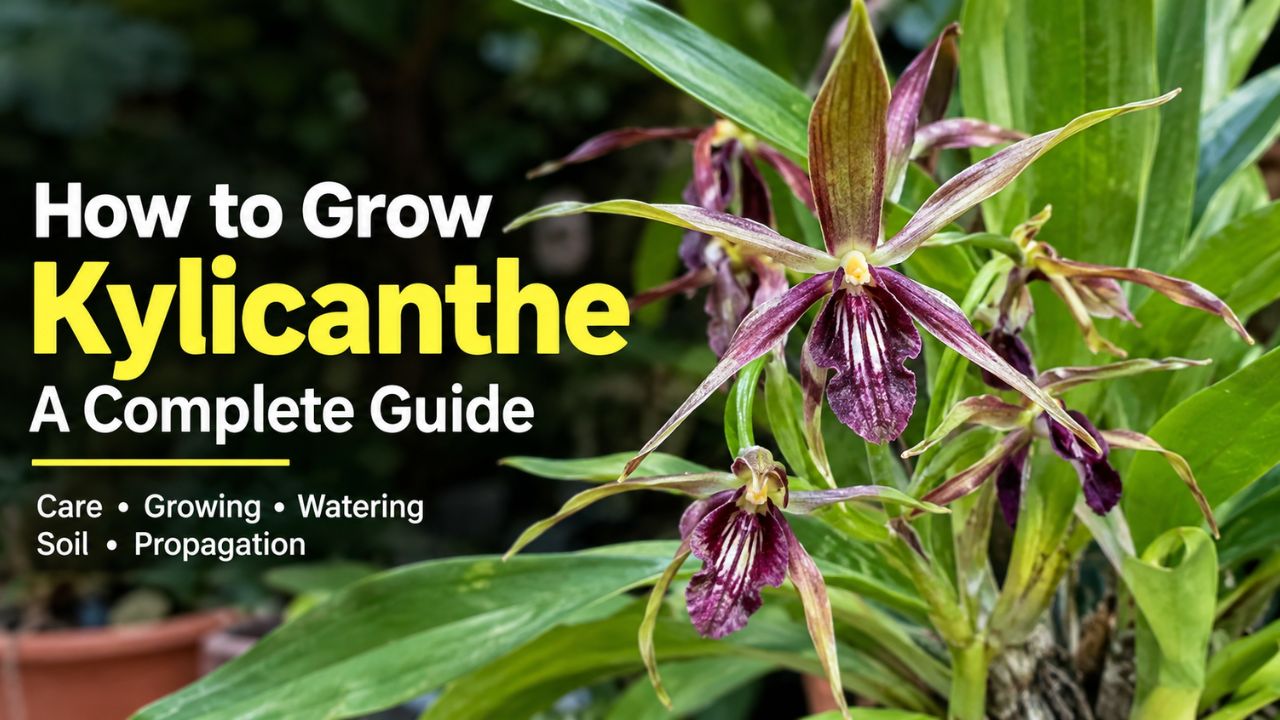
Kylicanthe is a rare African orchid that appeals to collectors who enjoy unusual plants and less commonly cultivated orchid varieties. Like many orchids from tropical and subtropical regions, it performs best when its natural growing conditions are considered carefully. Rather than treating it like a conventional houseplant, growers should focus on creating a balanced environment with suitable humidity, filtered light, good air movement, and excellent drainage.
The most important principle when growing Kylicanthe is avoiding extremes. The plant needs enough moisture to remain healthy, but its roots should never remain saturated for long periods. Similarly, it benefits from bright conditions but can suffer if exposed to intense direct sunlight for extended periods. Understanding this balance makes cultivation much easier and encourages steady, healthy growth.
Choosing the Right Location for Kylicanthe
The location you choose can have a major influence on the health of Kylicanthe. A bright indoor position near an east- or west-facing window can work well, provided strong afternoon sunlight is filtered. In warmer climates, the plant can be grown outdoors in a sheltered position where it receives bright indirect light.
A location beneath shade cloth, near taller plants, or under the filtered canopy of trees can provide suitable protection outdoors. Avoid completely dark areas because insufficient light can result in weak growth and poor flowering.
Good air circulation is equally important. Gentle movement of air helps the foliage dry after watering and reduces the risk of fungal problems. However, avoid placing the orchid directly in front of strong heating or cooling vents, as constant hot or cold air can stress the plant.
Providing the Right Light
Kylicanthe generally benefits from bright, filtered light rather than harsh direct sunlight. Good lighting encourages vigorous foliage development and supports flowering when the plant reaches maturity.
If growing indoors, observe the leaves carefully. Very dark green foliage can sometimes indicate insufficient light, while yellowing, bleached, or scorched areas may indicate excessive exposure. A sheer curtain can be useful when sunlight through a window becomes too intense.
Artificial grow lights can also be used when natural light is inadequate. Position the light far enough away to provide strong illumination without producing excessive heat. Consistency is more important than exposing the orchid to extremely intense light for short periods.
Selecting a Suitable Growing Medium
A well-draining growing medium is one of the most important requirements for successful Kylicanthe cultivation. Ordinary garden soil is generally unsuitable for orchids because it can become compacted and restrict air around the roots.
A loose orchid-style medium containing materials such as fine or medium orchid bark, sphagnum moss, perlite, and other airy components can provide a useful growing environment. The exact mixture can be adjusted according to the growing conditions. In a humid environment, a more open and free-draining mixture is often preferable, while slightly more moisture-retentive material may be useful in a very dry indoor setting.
The goal is to create a medium that holds enough moisture for the roots while allowing excess water to drain quickly. Always use a container with adequate drainage holes.
Watering Kylicanthe Correctly
Watering is one of the areas where orchid growers most often make mistakes. Kylicanthe should receive enough water to thoroughly moisten the growing medium, followed by sufficient drainage so that excess moisture does not remain around the roots.
Instead of following a rigid daily watering schedule, check the condition of the growing medium. When the upper portion has begun to dry and the plant is approaching the point where additional moisture is needed, water thoroughly. The frequency will depend on temperature, humidity, pot size, growing medium, and season.
During warmer and more active growing periods, watering may be required more frequently. In cooler conditions, evaporation slows and the plant may need considerably less water. Avoid allowing the roots to remain constantly wet because prolonged saturation can lead to root deterioration.
Maintaining Suitable Humidity
Adequate humidity can help Kylicanthe maintain healthy foliage and active growth. Dry indoor air, especially during winter or when heating systems are running, can make orchid cultivation more challenging.
A humidifier can provide a stable environment when necessary. Alternatively, the orchid can be grouped with other plants to create a slightly more humid microclimate. A humidity tray may provide some localized moisture, although the bottom of the pot should not sit directly in standing water.
Humidity should always be balanced with good ventilation. High humidity combined with stagnant air can create conditions that encourage fungal and bacterial problems. Healthy air movement is therefore just as important as moisture in the surrounding atmosphere.
Temperature Requirements for Healthy Growth
Kylicanthe should be protected from sudden temperature changes and extreme conditions. A stable, moderate environment is generally preferable for cultivated orchids.
Keep the plant away from cold drafts, air-conditioning outlets, radiators, and other sources of rapid temperature fluctuations. During hot weather, protect it from excessive heat and intense direct sunlight.
A slight difference between daytime and nighttime temperatures can be beneficial for many orchids, particularly when encouraging natural seasonal growth and flowering patterns. However, sudden drops should be avoided, especially when the plant is already stressed.
Feeding and Fertilizing Kylicanthe
Kylicanthe can benefit from regular but moderate fertilization during periods of active growth. A balanced orchid fertilizer can be diluted according to its label instructions and applied to a moist growing medium.
Overfertilizing is more harmful than underfertilizing. Excess fertilizer salts can accumulate around the roots and cause damage. For this reason, many growers prefer using a weaker fertilizer solution regularly rather than applying a very concentrated dose.
Occasional thorough watering with plain water can help flush accumulated mineral salts from the growing medium. Reduce feeding when the plant is not actively growing or when environmental conditions become unsuitable for vigorous development.
Repotting and Container Selection
Repotting should be carried out when the growing medium has broken down, drainage has become poor, or the plant has outgrown its container. Repotting is not something that needs to be done simply because a certain amount of time has passed.
Choose a container that provides good drainage and is only moderately larger than the existing root system. An oversized pot can retain moisture for too long, increasing the risk of root problems.
When repotting, gently remove the old medium and examine the roots. Healthy roots should be retained whenever possible, while clearly damaged or decaying material can be removed with clean, sterilized tools. After repotting, avoid excessive watering while damaged roots recover.
Propagating Kylicanthe
Propagation of a rare orchid such as Kylicanthe can require patience and appropriate plant material. Depending on the plant’s growth habit, propagation may be possible through division when a mature specimen has developed suitable sections with healthy roots and growing points.
Division should never be rushed. Each separated section needs enough healthy roots and viable growth to establish itself. Newly divided plants should be kept in a stable environment with suitable humidity, gentle light, and careful watering.
Seed propagation is considerably more complicated because orchid seeds are extremely small and often depend on specialized conditions for successful germination. For home growers, propagation from an established plant is generally more practical when suitable material is available.
Common Problems When Growing Kylicanthe
Several problems can occur when the growing environment is unbalanced. Yellowing leaves, soft roots, slow growth, or a declining appearance may indicate excessive moisture, poor drainage, insufficient light, or unsuitable temperatures.
Root problems are particularly common when an orchid is kept wet for too long. Improving drainage and adjusting the watering routine can help prevent further damage.
Pests such as scale insects, mealybugs, aphids, and mites may occasionally affect orchids. Regularly inspect both sides of the leaves, stems, and growing areas. Early detection makes pest management considerably easier.
Leaf spotting can also occur when foliage remains wet for extended periods or when ventilation is poor. Watering the growing medium carefully and maintaining good air circulation can reduce these risks.
Encouraging Healthy Growth and Flowering
Healthy flowering begins with consistent basic care rather than excessive intervention. Provide suitable light, appropriate moisture, good ventilation, stable temperatures, and moderate nutrition throughout the active growing period.
Avoid constantly moving the orchid from one location to another. Sudden environmental changes can interrupt growth and create unnecessary stress. Once you find a suitable position, maintain relatively stable conditions.
Patience is particularly important with rare orchids. A plant may spend considerable time developing roots and foliage before producing flowers. Strong, healthy vegetative growth is a positive sign even when flowering does not happen immediately.
Seasonal Care for Kylicanthe
Care should change slightly according to seasonal conditions. During warm periods of active growth, Kylicanthe may require more frequent watering and regular feeding. Increased ventilation is also helpful when temperatures and humidity rise.
During cooler months, growth may slow considerably. Watering should then be adjusted according to how quickly the growing medium dries. Fertilizer can also be reduced when the plant is no longer actively producing new growth.
Indoor growers should pay particular attention to heating during winter because heated air can become very dry. Maintaining appropriate humidity without sacrificing ventilation can help the plant remain stable until more favorable growing conditions return.
Final Tips for Growing Kylicanthe Successfully
Growing Kylicanthe successfully is mainly about creating a stable environment that balances moisture, light, temperature, humidity, and airflow. The orchid should be grown in a loose, well-draining medium, watered according to its actual needs, and protected from both harsh sunlight and prolonged wetness.
Because Kylicanthe is a rare orchid, patience is an important part of cultivation. Instead of trying to force rapid growth or flowering, concentrate on developing a strong root system and healthy foliage. Regular observation will help you recognize changes before they become serious problems.
With careful watering, suitable filtered light, good air circulation, moderate feeding, and thoughtful repotting, growers can provide Kylicanthe with the conditions it needs to remain healthy and develop naturally.
