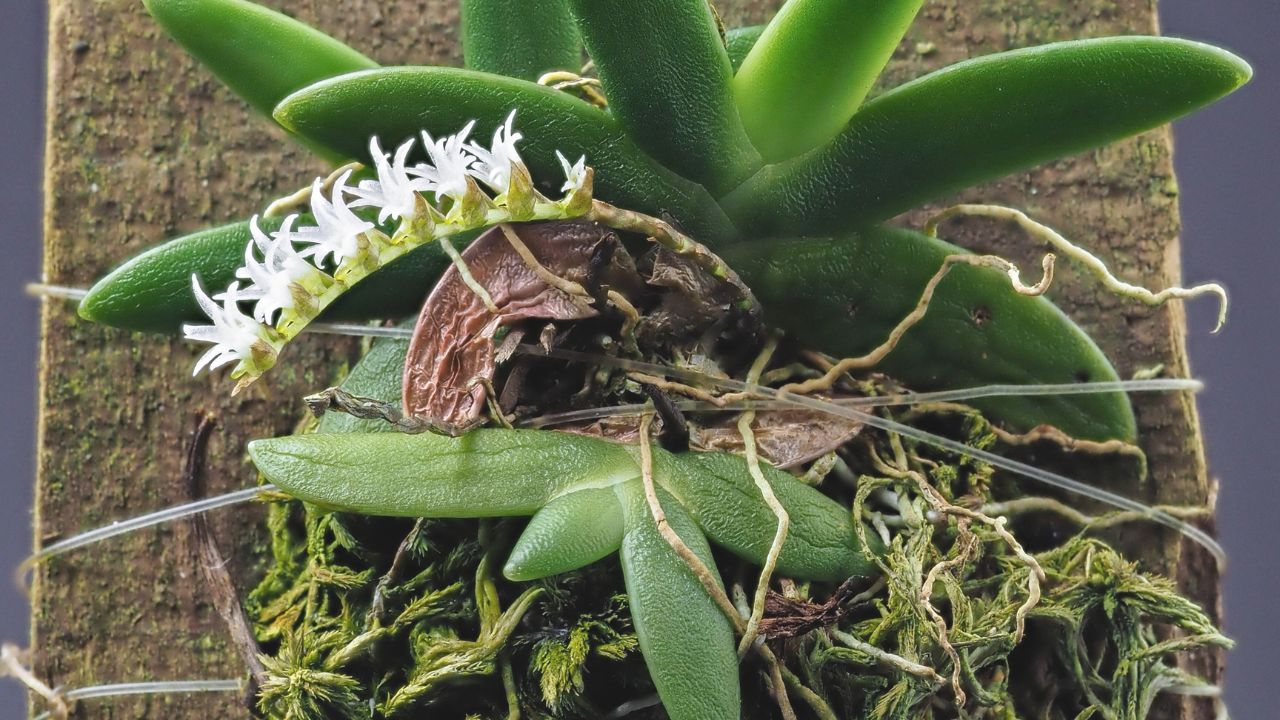
Sphyrarhynchus is a fascinating and relatively uncommon plant genus that attracts attention because of its distinctive growth habits and unusual botanical characteristics. Like many specialized plants, it can require a little more attention to environmental conditions than common houseplants. Successful cultivation depends on understanding its natural growing environment and recreating those conditions as closely as possible.
Before growing Sphyrarhynchus, it is important to recognize that care can vary depending on the particular species and the plant material available. Light, humidity, air movement, watering, and growing medium all influence its long-term health. Instead of following a rigid routine, observe the plant regularly and adjust care according to its growth and the conditions around it.
With the right environment, Sphyrarhynchus can become an interesting addition to a specialist plant collection. Good drainage, appropriate moisture, stable temperatures, and sufficient light are especially important for encouraging healthy roots and steady development.
Choosing the Right Location for Sphyrarhynchus
The location where Sphyrarhynchus is grown can make a major difference to its overall performance. Choose a bright position that provides plenty of indirect or filtered light. Harsh direct sunlight, particularly through glass during the hottest part of the day, can cause stress or damage delicate plant tissue.
A location with gentle morning light and protection from strong afternoon sun is often easier to manage. If the plant is grown indoors, placing it near a bright window with filtered light can provide suitable conditions. Artificial grow lighting can also be useful when natural light is limited.
Good air circulation is another important consideration. Moving air helps the growing environment remain fresh and reduces the risk of prolonged moisture around leaves and roots. However, avoid placing the plant directly in front of strong heating or cooling vents because sudden temperature changes can cause stress.
Understanding Light Requirements
Light provides the energy necessary for healthy growth, so maintaining the right balance is essential. Sphyrarhynchus should generally receive bright but controlled light rather than being exposed to intense sunlight throughout the day.
If the plant receives too little light, growth may become weak, slow, or unusually stretched. Leaves or stems may also appear less vigorous. On the other hand, excessive direct sunlight can lead to scorching, discoloration, and dehydration.
A gradual approach is best when moving a plant from a low-light environment to a brighter location. Increase exposure slowly so the plant has time to adapt. Watch the leaves carefully during this transition and reduce exposure if signs of sun stress appear.
Selecting the Best Soil and Growing Medium
One of the most important aspects of Sphyrarhynchus care is choosing a growing medium that drains efficiently. A heavy, compact soil that stays wet for long periods can reduce oxygen around the roots and increase the possibility of root problems.
A loose, airy mixture is generally more suitable for plants that require excellent drainage. Depending on the cultivation method and species, the growing medium may contain materials such as fine bark, coarse organic matter, perlite, pumice, or other components that improve aeration.
The goal is to create a medium that can retain some moisture without becoming waterlogged. If water remains around the roots for an extended period after watering, the medium may be too dense.
The container should also have adequate drainage holes. Never rely solely on a layer of gravel at the bottom of a pot to correct poor drainage. The structure of the entire growing medium is more important.
Watering Sphyrarhynchus Correctly
Watering should be based on the condition of the growing medium rather than a fixed calendar schedule. Environmental factors such as temperature, humidity, light intensity, container size, and airflow can all influence how quickly moisture disappears.
Before watering, check the growing medium. If it is still excessively wet, allow additional time for moisture to decrease. When watering is necessary, apply enough water to moisten the medium thoroughly while allowing excess water to drain away.
Avoid leaving the container standing in accumulated water. Constantly saturated conditions can deprive roots of oxygen and create an environment where root problems develop more easily.
At the same time, prolonged and severe dryness should also be avoided. A plant that repeatedly becomes completely dehydrated may show wilting, poor growth, or damaged roots. The ideal approach is consistent moisture management with periods of appropriate drying between waterings.
Maintaining Suitable Humidity
Humidity can be particularly important for specialized plants such as Sphyrarhynchus. If the surrounding air is extremely dry, the plant may experience slower growth or stress, especially during periods of high temperature.
A naturally humid room, greenhouse, terrarium-style environment, or carefully managed growing space can help maintain stable conditions. However, high humidity should always be combined with adequate air movement.
Simply increasing humidity without improving ventilation can create a stagnant environment. Good airflow allows moisture to remain available without creating persistently wet surfaces.
If using a humidity tray or humidifier, monitor the surrounding environment rather than assuming more humidity is always better. Stable conditions are generally preferable to frequent fluctuations.
Temperature and Environmental Stability
Sphyrarhynchus should be protected from extreme temperature changes. A stable growing environment encourages more consistent development and reduces unnecessary stress.
Avoid exposing the plant to cold drafts, freezing conditions, or sudden changes caused by open windows during cold weather. Likewise, prolonged exposure to intense heat can increase water loss and place additional pressure on the root system.
Indoor growers should keep the plant away from radiators, heaters, air conditioners, and other sources of direct temperature fluctuations. A comfortable, stable environment with good light and airflow is usually easier to manage than constantly changing conditions.
Fertilizing for Healthy Growth
Fertilization should be approached carefully, especially when Sphyrarhynchus is growing in a specialized or relatively lightweight medium. Too much fertilizer can damage roots and lead to an accumulation of salts.
During active growth, a suitable balanced fertilizer can be applied at a diluted strength. It is generally better to provide moderate nutrition consistently than to apply a concentrated dose occasionally.
Always consider the condition of the plant before fertilizing. A stressed, recently repotted, dehydrated, or damaged plant should be allowed to recover before receiving additional fertilizer.
Periodic watering with clean water can also help prevent excessive fertilizer salts from accumulating in the growing medium, provided the container has good drainage.
Propagating Sphyrarhynchus
Propagation can be one of the more challenging aspects of growing Sphyrarhynchus. The appropriate method depends heavily on the species and its natural growth structure.
Where suitable plant divisions or offsets are naturally produced, division may be possible. Each section should have enough healthy growth and an established root system to support independent development. Make clean cuts with sterilized tools and avoid damaging healthy roots unnecessarily.
Seed propagation may also be possible when viable seeds are available. Fresh seed is often preferable because viability can decrease with age. Seeds should be placed in a suitable, well-draining propagation medium and kept under stable environmental conditions.
Young seedlings generally require careful moisture management. The medium should not be allowed to become permanently saturated, while extreme drying should also be avoided.
Because Sphyrarhynchus can be uncommon in cultivation, patience is particularly important. Propagation may take considerably longer than with familiar garden plants.
Repotting and Root Care
Repotting should not be performed unnecessarily. If the plant is growing well and the existing container drains properly, disturbing the root system may create more stress than benefit.
Repot when the growing medium has deteriorated, drainage has become poor, roots have substantially filled the container, or the plant clearly needs additional space. Choose a container only slightly larger than the previous one rather than moving immediately into a very large pot.
During repotting, inspect the roots gently. Healthy roots should be handled carefully, while obviously damaged or decaying material can be removed with sterilized equipment.
After repotting, provide appropriate light and avoid excessive watering while the plant adjusts. The roots need time to settle into their new environment.
Common Problems When Growing Sphyrarhynchus
Many cultivation problems can be traced back to environmental imbalance. Yellowing foliage, weak growth, wilting, or declining roots may indicate issues with watering, drainage, light, temperature, or nutrition.
Overwatering is one of the most common concerns for plants grown in containers. If the medium remains wet for too long, improving drainage and adjusting the watering routine may be necessary.
Brown or damaged foliage can have several causes, including excessive sunlight, low humidity, inconsistent watering, or environmental stress. Examine the plant and its growing conditions together rather than treating the visible symptom alone.
Pests may occasionally become a problem, particularly when plants are stressed. Regularly inspect leaves, stems, and growing points. Early detection makes pest management much easier.
Seasonal Sphyrarhynchus Care
Sphyrarhynchus may require slightly different care throughout the year. During periods of active growth, the plant may use more water and nutrients, making regular monitoring important.
When growth slows, watering frequency should generally be adjusted according to how quickly the growing medium dries. Avoid continuing a heavy watering routine simply because it worked during a warmer or brighter season.
Winter conditions can be particularly challenging indoors because heating systems may reduce humidity while shorter days reduce available light. Moving the plant to a brighter location and carefully monitoring moisture can help maintain healthier conditions.
Seasonal changes should be introduced gradually whenever possible. Stable environmental conditions are usually more beneficial than sudden changes in temperature, humidity, or light.
Tips for Long-Term Successful Growth
Long-term success with Sphyrarhynchus comes from consistency rather than complicated care routines. Provide appropriate light, use a well-draining growing medium, water according to actual moisture levels, maintain reasonable humidity, and ensure good air circulation.
Avoid constantly moving the plant from one location to another. Once a suitable environment has been established, allowing the plant to settle can encourage more stable growth.
Regular observation is one of the most useful habits a grower can develop. Check the leaves, growing points, roots when appropriate, and condition of the growing medium. Small changes noticed early are usually easier to correct than major problems that have been allowed to develop.
Final Thoughts on Growing Sphyrarhynchus
Growing Sphyrarhynchus can be a rewarding experience for plant enthusiasts who enjoy cultivating unusual and specialized plants. Although it may require more attention than common indoor varieties, its care becomes much easier once the basic environmental requirements are understood.
The key principles are excellent drainage, careful watering, suitable filtered light, stable temperatures, adequate humidity, and good airflow. Propagation may require additional patience, particularly when working with uncommon species or limited plant material.
Rather than following a strict schedule, observe how the plant responds to its environment and make gradual adjustments when necessary. With thoughtful care and consistent conditions, Sphyrarhynchus can remain a healthy and interesting part of a specialist plant collection for years.
