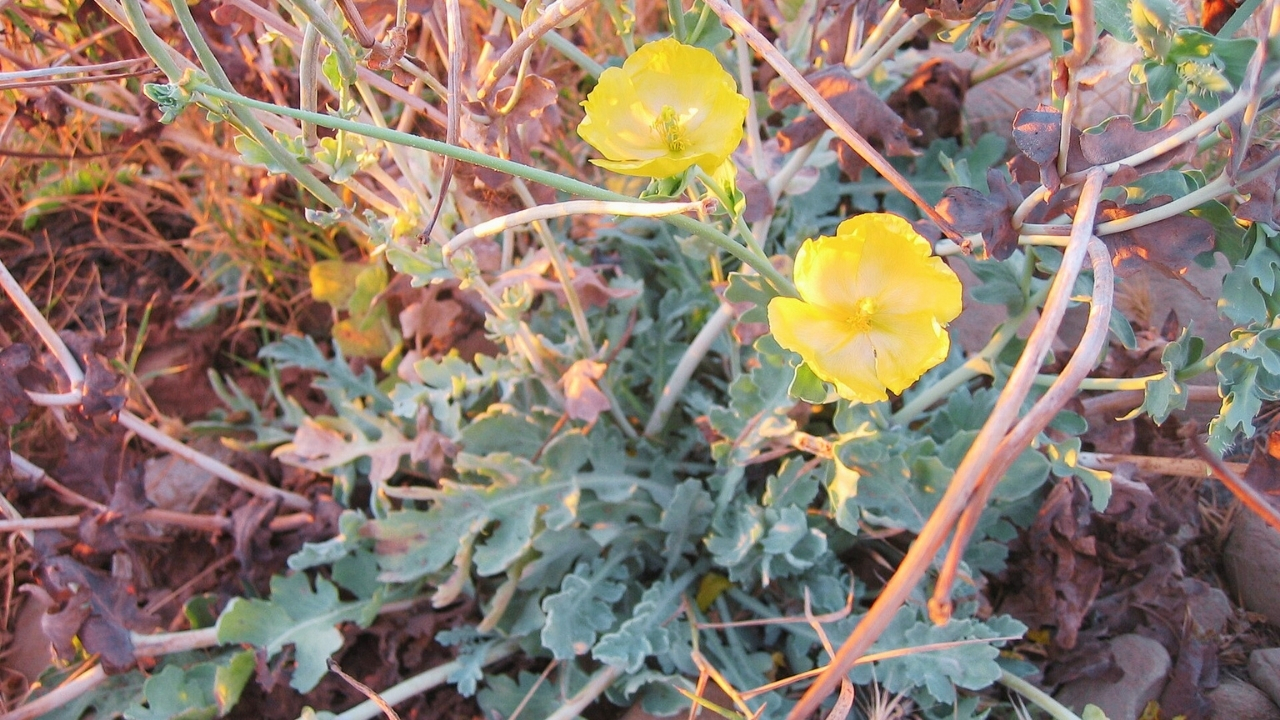
Glaucium, commonly known as horned poppy, is a striking flowering plant admired for its silky blooms and distinctive elongated seed pods. Belonging to the poppy family, this hardy plant is native to coastal regions, rocky hillsides, and dry landscapes throughout Europe, North Africa, and parts of Asia. Its vibrant flowers, which appear in shades of bright yellow, orange, and red, create an eye-catching display from late spring through summer. Combined with attractive blue-green foliage, Glaucium offers a unique architectural appearance that suits cottage gardens, Mediterranean landscapes, gravel gardens, and coastal plantings.
Unlike many traditional garden flowers, Glaucium thrives in challenging conditions where other plants may struggle. Its remarkable drought tolerance and ability to grow in poor, sandy soils make it an excellent choice for gardeners seeking a beautiful yet low-maintenance perennial or biennial, depending on the species and climate. Once established, it requires minimal care while providing months of colorful blooms and interesting ornamental seed pods.
Choosing the Best Location
Selecting the right planting site is the most important step toward growing healthy Glaucium plants. These flowers thrive in full sunlight and perform best when they receive at least six to eight hours of direct sun each day. Bright sunlight encourages stronger stems, abundant flowering, and healthy foliage.
Well-drained soil is essential because Glaucium does not tolerate waterlogged conditions. Sandy, gravelly, or rocky soils closely mimic its natural habitat and help prevent root rot. Although it can adapt to average garden soil, drainage should always be improved if heavy clay is present by incorporating coarse sand, grit, or fine gravel.
Glaucium is especially suitable for dry slopes, raised beds, rock gardens, borders, and coastal gardens where soil drains quickly after rainfall. Avoid planting it in low-lying areas where water tends to collect after storms.
Selecting the Right Soil
Horned poppy grows surprisingly well in soils with relatively low fertility. Rich soils often encourage excessive leafy growth while reducing flower production. A moderately fertile, well-draining soil allows the plant to focus its energy on producing vibrant blooms.
The ideal soil pH ranges from slightly acidic to slightly alkaline, although Glaucium is fairly adaptable. Mixing gravel or coarse sand into garden beds improves aeration and drainage, especially in heavier soils.
If planting in containers, choose a cactus or succulent potting mix and blend in additional grit or perlite to create excellent drainage. Containers should always have drainage holes to prevent standing water around the roots.
Planting Glaucium Successfully
Glaucium is most commonly grown from seed because mature plants develop deep taproots that dislike transplanting. Sow seeds directly outdoors after the danger of severe frost has passed, or start them in biodegradable pots that can be planted without disturbing the roots.
Scatter seeds lightly over prepared soil and cover them with only a thin layer of fine soil, as they need some light for successful germination. Keep the soil lightly moist until seedlings emerge, which usually takes two to three weeks depending on temperature.
Once seedlings develop several true leaves, thin them to provide approximately 12 to 18 inches of space between plants. Adequate spacing improves airflow, reduces disease risk, and allows each plant to develop its natural rounded form.
When planting nursery-grown specimens, dig a hole slightly larger than the root ball and place the plant carefully without damaging its roots. Water gently after planting to help settle the soil.
Watering for Healthy Growth
One of Glaucium’s greatest strengths is its exceptional drought tolerance. Newly planted seedlings require regular watering while they establish their root systems, but mature plants need surprisingly little supplemental irrigation.
Water deeply rather than frequently, allowing the soil to dry between waterings. Deep watering encourages roots to grow downward, making plants even more resilient during dry weather.
During extended periods of extreme heat, occasional watering helps maintain flowering, but avoid constantly wet soil. Excess moisture is one of the most common causes of poor performance and root diseases.
Container-grown plants dry out more quickly than garden specimens and may require watering once the top few inches of soil become dry.
Fertilizing Without Overfeeding
Glaucium generally requires very little fertilizer. Excess nutrients often encourage lush foliage while reducing flower production and making stems weaker.
A light application of balanced, slow-release fertilizer in early spring is usually sufficient for plants growing in nutrient-poor soils. Alternatively, a small amount of compost incorporated before planting provides enough nutrition for an entire growing season.
Avoid frequent feeding with high-nitrogen fertilizers, as they promote leafy growth instead of flowers. In many established garden beds, Glaucium performs beautifully without any additional fertilizer at all.
Seasonal Care Throughout the Year
As temperatures warm in spring, Glaucium begins producing fresh foliage followed by flower buds. Regular observation during this stage allows gardeners to remove weeds that compete for moisture and nutrients.
Throughout summer, blooming continues steadily when plants receive plenty of sunlight and moderate watering. Removing faded flowers can encourage additional blooms, although many gardeners choose to leave some flowers in place so the distinctive horn-shaped seed pods can develop for ornamental interest.
During autumn, plants naturally slow their growth. In mild climates, perennial species may retain some foliage through winter, while biennial varieties complete their life cycle after producing seeds.
A light layer of gravel around the base of the plants helps improve drainage during wetter months while reducing weed growth.
Pruning and General Maintenance
Glaucium requires minimal pruning, making it an ideal plant for gardeners seeking low-maintenance beauty. Remove damaged, yellowing, or diseased leaves throughout the growing season to maintain a tidy appearance.
Deadheading spent flowers encourages continued blooming, although allowing some flowers to mature creates attractive seed pods that add visual interest and provide seeds for future planting.
After flowering has finished, cut back dead stems while leaving healthy basal growth intact if the plant is perennial. In colder climates, wait until late winter or early spring before removing old growth, as it may provide some protection against freezing temperatures.
Growing Glaucium in Containers
Although naturally suited to open garden beds, Glaucium also grows successfully in large containers when provided with the proper conditions.
Choose a deep container that accommodates the plant’s taproot. Terracotta pots are particularly beneficial because they allow excess moisture to evaporate more easily than plastic containers.
Fill containers with fast-draining potting mix and position them in the sunniest available location. Water only when necessary, allowing excess water to drain completely after each irrigation.
Container-grown plants benefit from occasional feeding during the growing season but still require far less fertilizer than many flowering annuals.
Common Pests and Diseases
Glaucium is generally resistant to serious pest problems, making it an easy plant for beginners. However, young seedlings may occasionally attract slugs and snails, especially during damp weather. Protect tender plants using physical barriers or hand removal if necessary.
Aphids sometimes gather on new flower buds and stems. Most infestations can be managed by spraying plants with water or using insecticidal soap if populations become excessive.
Root rot remains the most significant disease concern and almost always results from poorly drained soil or excessive watering. Powdery mildew may occasionally appear during humid weather, particularly if plants are overcrowded and air circulation is poor.
Providing full sun, proper spacing, and excellent drainage prevents the vast majority of disease problems.
Propagating Glaucium
Growing Glaucium from seed remains the easiest and most reliable propagation method. Mature seed pods eventually dry and split open, releasing numerous small seeds that can be collected for future planting.
Allow pods to dry completely on the plant before harvesting. Store collected seeds in a cool, dry place until sowing the following season.
Direct sowing often produces stronger plants than transplanting because Glaucium’s taproot establishes itself without disturbance. In suitable climates, self-seeding may occur naturally, creating attractive informal drifts throughout the garden.
Division is generally not recommended because mature taproots are easily damaged and rarely recover well after being disturbed.
Landscape Design Ideas
Glaucium adds bold texture and vibrant color to many garden styles. Its silvery-blue foliage contrasts beautifully with ornamental grasses, lavender, yarrow, salvia, and other drought-tolerant perennials.
Rock gardens highlight its natural beauty, while gravel pathways and Mediterranean-inspired landscapes complement its relaxed growth habit. Coastal gardens also benefit from its tolerance for sandy soils, wind, and salt spray.
The dramatic seed pods remain attractive long after flowering has finished, adding architectural interest to dried flower arrangements and winter gardens.
Tips for Long-Lasting Success
The secret to growing healthy Glaucium lies in resisting the temptation to overcare for it. Plenty of sunshine, sharply drained soil, moderate watering, and minimal fertilization allow the plant to thrive naturally.
Avoid disturbing established plants because of their deep taproots, and always prioritize drainage over soil fertility. With these simple growing practices, Glaucium rewards gardeners with brilliant flowers, attractive foliage, distinctive seed pods, and dependable performance year after year.
Whether planted in a sunny border, gravel garden, coastal landscape, or decorative container, horned poppy brings effortless color, unique texture, and exceptional resilience to the garden. Its combination of beauty and toughness makes it an outstanding choice for gardeners who appreciate plants that flourish with minimal maintenance while delivering a spectacular seasonal display.
