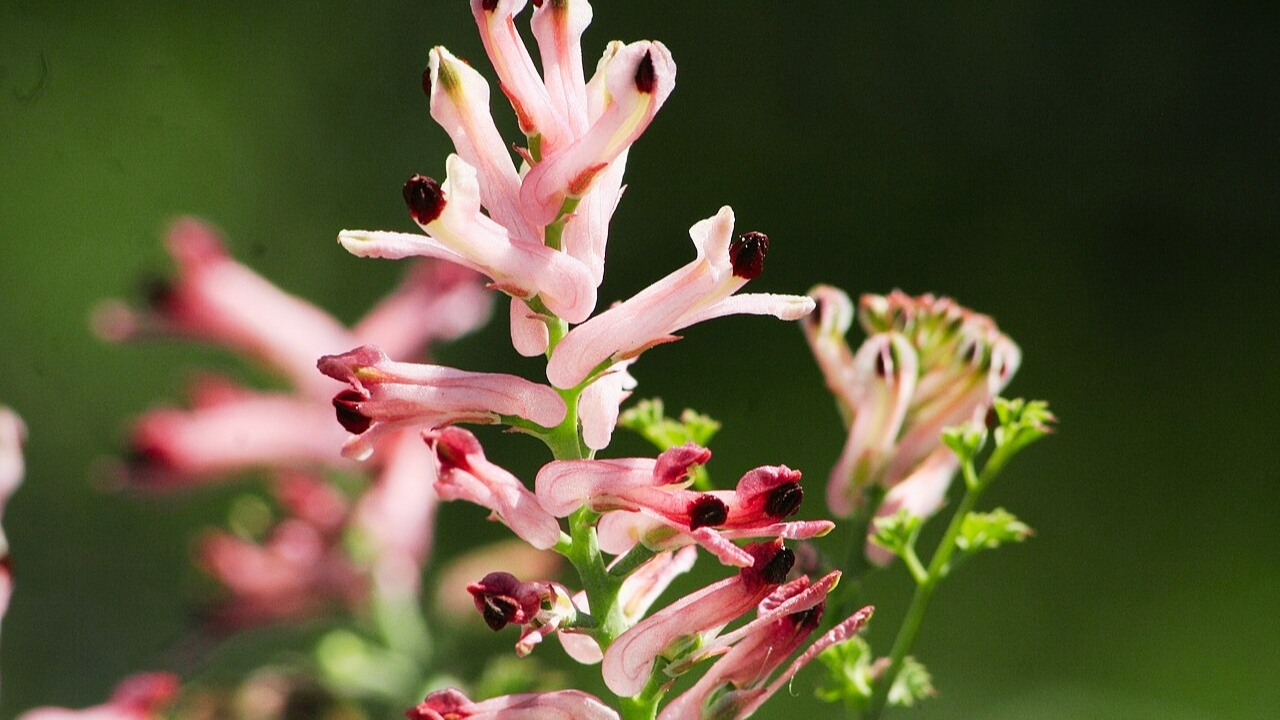
Fumitories are delicate annual flowering plants that bring a soft, natural charm to gardens with their finely divided foliage and clusters of small tubular blooms. Belonging to the Fumaria genus, these plants have long been admired for their airy appearance and ability to blend effortlessly into cottage-style gardens, wildflower borders, and naturalized landscapes. Their flowers, typically found in shades of pink, purple, white, or reddish tones, attract beneficial pollinators while creating a graceful, meadow-like effect.
Although some species grow as wildflowers, cultivated fumitories can become delightful additions to ornamental gardens when given the right growing conditions. Their easy-going nature makes them suitable for beginner gardeners, while experienced gardeners appreciate their ability to fill gaps with elegant, feathery greenery. Understanding their planting, care, and maintenance needs will help ensure healthy growth and an extended flowering season.
Choosing the Best Variety
Several Fumaria species are grown for their ornamental value, with Common Fumitory (Fumaria officinalis) being one of the most widely recognized. Other attractive species include Fumaria capreolata, known as White Ramping Fumitory, and Fumaria muralis, which features soft pink flowers with darker tips.
When selecting a variety, consider your local climate and garden design. Compact species work well in containers and small borders, while taller varieties fit beautifully into cottage gardens and naturalized meadows. Choose healthy seeds from reliable suppliers for the best germination rates.
Ideal Growing Conditions
Fumitories thrive in cool to moderately warm weather and prefer environments that mimic their natural habitats. They grow best in locations receiving full sun to partial shade. In cooler climates, full sunlight encourages abundant flowering, while afternoon shade helps protect plants in regions with hotter summers.
These annuals appreciate moderate temperatures and often perform best during spring and early summer. In areas with mild winters, they may continue blooming for much longer.
Good air circulation around the plants helps reduce disease problems and keeps foliage healthy throughout the growing season.
Soil Requirements
One of the reasons fumitories are easy to grow is their adaptability to different soil types. However, they perform best in well-drained, moderately fertile soil rich in organic matter. Sandy loam or light garden soil provides ideal drainage while retaining enough moisture for steady growth.
The preferred soil pH ranges from slightly acidic to neutral, roughly between 6.0 and 7.5. Before planting, incorporate compost or well-rotted organic matter into the soil to improve texture and fertility.
Avoid heavy clay soils that remain wet after rainfall, as excessive moisture around the roots can lead to poor growth and root problems.
Planting Fumitory Seeds
Fumitories are usually grown directly from seed. Since they develop delicate root systems, direct sowing generally produces better results than transplanting.
Sow seeds outdoors in early spring as soon as the soil becomes workable. In regions with mild winters, autumn sowing often leads to earlier spring blooms. Scatter seeds thinly over prepared soil and lightly cover them with a thin layer of soil, about one-quarter inch deep.
Water gently after sowing to settle the soil without washing away the seeds. Germination usually occurs within two to four weeks depending on soil temperature and moisture levels.
Once seedlings emerge, thin them to provide approximately six to ten inches of spacing. Proper spacing encourages healthy airflow and reduces competition for nutrients.
Watering Requirements
Young fumitory seedlings require consistently moist soil during establishment. Once mature, the plants become moderately drought tolerant, although regular watering produces stronger growth and more flowers.
Water deeply whenever the top inch of soil begins to dry. Deep watering encourages roots to grow downward, making plants more resilient during short dry periods.
Avoid frequent shallow watering, which promotes weak root development. Likewise, avoid overwatering, as constantly wet soil may increase the risk of fungal diseases.
Applying water directly to the soil instead of wetting the foliage helps keep leaves healthy and minimizes disease issues.
Fertilizing for Healthy Growth
Fumitories are light feeders and generally require very little fertilization. Excessive feeding often produces lush leafy growth at the expense of flowers.
Mix compost into the soil before planting to provide a slow, steady supply of nutrients throughout the season. If the soil is particularly poor, apply a balanced, slow-release fertilizer once during early growth.
Container-grown plants may benefit from a diluted liquid fertilizer every four to six weeks, but avoid overfeeding to preserve their naturally compact habit.
Healthy soil rich in organic matter usually provides all the nutrition these annual flowers need.
Mulching Benefits
A light layer of organic mulch offers several advantages for fumitories. Mulch conserves soil moisture, suppresses weed growth, and regulates soil temperature during fluctuating weather conditions.
Apply two inches of shredded bark, leaf mold, or compost around plants while keeping the mulch slightly away from the stems. This prevents excessive moisture from accumulating around the base of the plants.
As organic mulch gradually breaks down, it also enriches the soil with valuable nutrients.
Supporting Pollinators
Although the flowers are small, fumitories provide nectar for bees, hoverflies, and other beneficial insects. Their extended blooming period makes them valuable additions to wildlife-friendly gardens.
Planting fumitories alongside other nectar-rich annuals and perennials creates a continuous food source for pollinators throughout the growing season. Avoid excessive pesticide use to protect these helpful visitors.
The soft flowers also contribute to the natural appearance of cottage gardens by blending beautifully with ornamental grasses and wildflowers.
Seasonal Care Throughout the Year
Spring is the primary planting season for most gardeners. During this period, focus on seed sowing, consistent watering, and early weed control.
Summer care mainly involves watering during dry weather, removing weeds, and deadheading faded flowers to encourage continued blooming.
In mild climates, autumn-sown plants establish strong root systems before winter and reward gardeners with earlier flowering the following spring.
Since fumitories are annuals, they naturally complete their life cycle after flowering. Allowing a few seed heads to mature encourages natural self-seeding for future seasons.
Pruning and Deadheading
Routine maintenance is simple. Remove faded flowers regularly to encourage continuous blooming and prevent excessive self-seeding if desired.
Trim away yellowing or damaged stems throughout the growing season to improve appearance and maintain healthy airflow around the plants.
If plants become leggy during prolonged warm weather, lightly trimming the tips can encourage bushier growth.
At the end of the season, remove spent plants unless you wish to collect seeds or allow natural reseeding.
Growing Fumitories in Containers
Fumitories grow surprisingly well in containers, especially compact varieties. Choose pots with generous drainage holes and fill them with a high-quality, well-draining potting mix enriched with compost.
Place containers in locations receiving at least six hours of sunlight each day while providing afternoon shade in hotter climates.
Container-grown plants dry out faster than garden beds, so monitor soil moisture carefully during warm weather. Water thoroughly whenever the surface begins to dry.
Regular deadheading keeps potted plants attractive for a longer period.
Common Pests and Diseases
Fumitories generally experience few pest problems. Occasionally, aphids may gather on young shoots and flower buds. A strong spray of water or insecticidal soap usually controls small infestations.
Slugs and snails sometimes feed on young seedlings, particularly during damp weather. Protective barriers or hand removal help minimize damage.
The most common disease issue is root rot caused by poorly drained soil. Powdery mildew may also appear during periods of high humidity combined with poor airflow.
Proper spacing, well-drained soil, and careful watering greatly reduce most disease risks.
Propagation Methods
Growing fumitories from seed is by far the easiest and most successful propagation method. Allow several healthy flower clusters to mature fully until seed capsules dry naturally.
Collect the seeds once they turn brown and store them in a cool, dry place until the next planting season.
Because many species self-seed readily, gardeners often discover new seedlings emerging naturally each spring. These volunteers can either be left in place or carefully relocated while still very young.
Companion Planting Ideas
Fumitories pair beautifully with many traditional cottage garden favorites. Their airy foliage contrasts nicely with upright flowering plants while softening the appearance of dense borders.
Excellent companions include foxgloves, larkspur, sweet peas, cornflowers, nigella, poppies, calendulas, and ornamental grasses. Together, these plants create a relaxed, informal display filled with texture, movement, and seasonal color.
They also complement herbs and native wildflowers in pollinator gardens, helping create a balanced and ecologically diverse planting scheme.
Common Growing Mistakes to Avoid
One of the most common mistakes is planting fumitories in poorly drained soil where roots remain constantly wet. Improving drainage before planting prevents many future problems.
Overfertilizing is another frequent issue. Too much nitrogen encourages excessive foliage while reducing flower production.
Crowding plants too closely limits air circulation and increases the likelihood of fungal diseases. Proper spacing allows each plant to develop naturally.
Finally, avoid letting the soil become completely dry for extended periods, especially while seedlings are establishing.
Conclusion
Fumitories are graceful annual flowers that bring softness, movement, and understated beauty to cottage gardens, wildflower borders, and naturalistic landscapes. Their finely divided foliage, delicate blooms, and pollinator-friendly nature make them valuable additions to gardens seeking a relaxed and elegant appearance.
With well-drained soil, moderate watering, plenty of sunlight, and minimal maintenance, these charming plants reward gardeners with months of colorful blooms. Whether grown in garden beds, containers, or allowed to naturalize through self-seeding, fumitories offer effortless beauty and seasonal interest while enhancing the biodiversity and visual appeal of any outdoor space.
