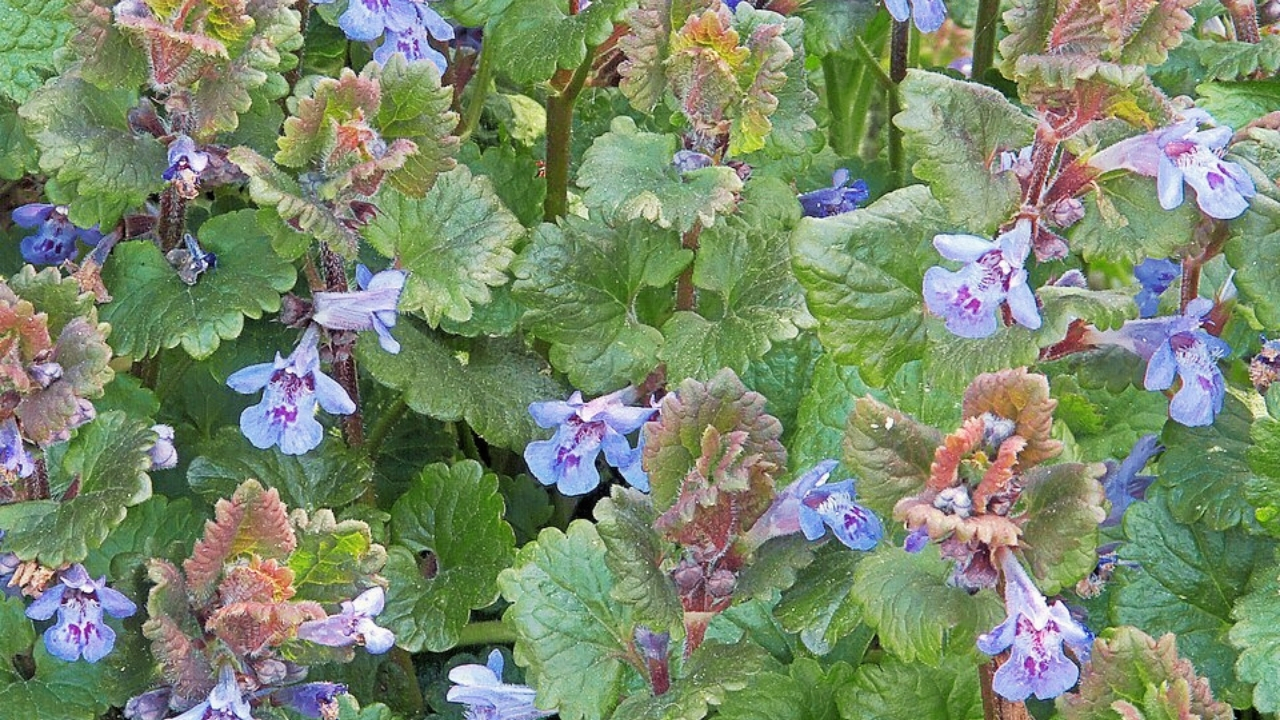
Glechoma, commonly known as ground ivy or creeping Charlie, is a low-growing perennial plant valued for its vigorous spreading habit, rounded scalloped leaves, and delicate purple-blue flowers that appear in spring. While many gardeners consider it a fast-growing groundcover, it can also become invasive if not carefully managed. When grown intentionally, Glechoma creates a lush green carpet that thrives in areas where many other plants struggle, including shaded gardens, beneath trees, and along woodland paths.
Native to Europe and parts of Asia, Glechoma has naturalized across many regions due to its adaptability and resilience. It spreads through creeping stems that root wherever they touch the soil, allowing it to fill empty spaces quickly. Its attractive foliage remains green for much of the growing season, making it an appealing option for naturalized landscapes, erosion control, and difficult garden spots.
With proper planning and routine maintenance, Glechoma can become a beautiful addition to a landscape rather than an uncontrollable nuisance.
Choosing the Best Location for Glechoma
Selecting the right planting location is one of the most important factors for healthy growth. Glechoma performs best in partial shade, although it tolerates full shade and moderate sun depending on climate. In cooler regions, it can handle more sunlight, while gardeners in warmer climates should provide afternoon shade to prevent leaf scorch.
The plant thrives beneath deciduous trees, along shaded borders, woodland gardens, and slopes where erosion is a concern. Since it spreads aggressively, planting it where its growth can be naturally contained helps prevent unwanted expansion into flower beds or lawns.
Good air circulation also benefits the plant by reducing excess moisture around the foliage, minimizing disease risks.
Soil Requirements for Healthy Growth
Glechoma adapts to a wide variety of soil types but grows most vigorously in moist, fertile, well-drained soil rich in organic matter. Loamy soils provide the ideal balance of drainage and moisture retention.
Before planting, improve poor soil by incorporating compost or aged organic matter. This enriches the soil with nutrients while improving texture and water retention.
Although Glechoma tolerates clay and sandy soils, extremely dry or compacted conditions may reduce its growth. Maintaining consistent soil moisture encourages dense foliage and healthy spreading stems.
The ideal soil pH ranges from slightly acidic to neutral, although the plant remains remarkably adaptable across different growing conditions.
How to Plant Glechoma Successfully
Plant Glechoma during spring or early autumn when temperatures remain moderate and natural rainfall helps establish roots. These seasons provide ideal growing conditions before periods of heat or freezing weather.
Dig planting holes slightly wider than the root ball and position each plant at the same depth it was previously growing. Space plants approximately 12 to 18 inches apart. Although this spacing may appear wide initially, Glechoma quickly fills empty areas through creeping stems.
After planting, gently firm the soil around the roots and water thoroughly to eliminate air pockets. Applying a thin layer of mulch helps retain moisture while reducing weed competition during establishment.
Within a few weeks, runners begin extending outward, gradually forming an attractive living carpet.
Watering Requirements Throughout the Growing Season
Consistent watering supports vigorous growth, especially during the first growing season. Newly planted Glechoma should receive regular watering whenever the top inch of soil begins drying.
Once established, the plant becomes relatively drought tolerant but performs best with evenly moist soil. Extended dry periods can cause slower growth and reduced leaf size, while prolonged waterlogging may encourage root problems.
Deep watering once or twice each week generally provides sufficient moisture, depending on rainfall and temperature. Water early in the morning to allow foliage to dry during the day, reducing the likelihood of fungal diseases.
Mulching around planting areas also helps conserve soil moisture during hot summer weather.
Light Requirements for Dense Foliage
One of Glechoma’s greatest advantages is its flexibility in varying light conditions. Partial shade consistently produces the healthiest foliage, strongest growth, and richest leaf color.
Full shade remains suitable, particularly beneath mature trees where few other groundcovers thrive. Although growth may become slightly less vigorous, plants typically remain lush and attractive.
In cooler climates, several hours of direct morning sunlight promote flowering while maintaining healthy foliage. However, intense afternoon sun combined with dry soil may stress the plant, leading to leaf discoloration or slower spreading.
Observing local conditions helps determine the ideal balance between sunlight and shade.
Fertilizing for Continuous Growth
Glechoma generally requires minimal fertilization. Excessive feeding often encourages overly aggressive growth that becomes difficult to manage.
Each spring, applying compost around the plants usually provides sufficient nutrients for the growing season. If soil fertility is particularly poor, a balanced slow-release fertilizer may be applied once during early spring.
Avoid repeated fertilization throughout summer unless plants clearly exhibit nutrient deficiencies such as pale foliage or weak growth.
Healthy soil rich in organic matter typically supplies everything Glechoma needs to maintain vigorous development.
Pruning and Controlling Its Rapid Spread
Regular maintenance keeps Glechoma attractive while preventing it from invading unwanted areas. Since the plant spreads by creeping runners, periodic trimming helps maintain defined borders.
Use garden shears to cut back wandering stems several times during the growing season. Removing excessive growth also improves air circulation and encourages denser foliage.
If runners extend into lawns or flower beds, simply pull or trim them before they establish roots. Installing landscape edging or physical barriers further limits expansion into neighboring planting areas.
Annual thinning prevents overcrowding while maintaining a healthier, more manageable groundcover.
Propagation Methods for Expanding Plantings
Propagating Glechoma is remarkably simple due to its natural spreading habit. Stem cuttings, rooted runners, and division all produce reliable results.
The easiest method involves lifting rooted sections of runners during spring or autumn. Each rooted section already contains developing roots, allowing rapid establishment when transplanted.
Division also works well for mature clumps. Carefully dig up portions of the plant, separate them into smaller sections, and immediately replant them in prepared soil.
Stem cuttings root readily in moist potting mix or even directly in damp garden soil, making it easy to expand groundcover plantings without purchasing additional plants.
Seasonal Care Throughout the Year
Spring marks the beginning of active growth. Fresh green foliage appears rapidly, followed by clusters of small purple-blue flowers. This is the ideal time for fertilizing, dividing plants, and removing winter-damaged stems.
Summer requires monitoring moisture levels, trimming aggressive runners, and controlling excessive spread. Occasional watering during dry periods keeps foliage vibrant and healthy.
Autumn provides another excellent opportunity for planting, transplanting, and dividing established patches. Cooler temperatures encourage root development before winter dormancy.
During winter, Glechoma remains evergreen in milder climates, while colder regions may see partial dieback. Minimal maintenance is needed beyond removing damaged foliage once spring returns.
Common Pests and Diseases
Glechoma is generally resistant to serious pest problems, making it an easy-care groundcover. Occasionally, aphids, spider mites, or slugs may appear, particularly during periods of prolonged humidity or drought stress.
Regular inspection allows early intervention before infestations become severe. Washing foliage with water or encouraging beneficial insects often provides sufficient control for minor pest populations.
Poor drainage and excessive moisture can contribute to fungal diseases such as powdery mildew or root rot. Proper spacing, adequate air circulation, and careful watering practices greatly reduce these risks.
Removing infected foliage promptly helps prevent disease from spreading throughout the planting.
Growing Glechoma in Containers
Although primarily used as a groundcover, Glechoma also performs beautifully in containers, hanging baskets, and window boxes. Its trailing stems spill gracefully over container edges, creating a soft cascading effect.
Use high-quality potting mix with excellent drainage and choose containers with drainage holes. Keep the soil evenly moist without allowing it to become soggy.
Container-grown plants typically require more frequent watering than those planted in the ground, especially during hot weather. Occasional trimming maintains a full, tidy appearance while preventing excessive trailing.
Combining Glechoma with upright flowering plants creates attractive mixed container displays.
Landscape Uses and Design Ideas
Glechoma serves many practical and ornamental purposes in the landscape. Its dense growth suppresses weeds while covering bare soil in shaded locations.
It works well beneath mature trees, around stepping stones, along woodland paths, and on slopes requiring erosion control. Gardeners also use it to soften hardscape edges, fill gaps between shrubs, and create natural-looking transitions between planting areas.
Because of its vigorous spreading habit, it is best suited for areas where extensive ground coverage is desired rather than tightly controlled ornamental beds.
Its textured foliage and spring flowers add year-round visual interest to otherwise difficult planting locations.
Tips for Keeping Glechoma Healthy and Manageable
Growing healthy Glechoma is largely a matter of balancing vigorous growth with regular maintenance. Plant it in moist, fertile soil with partial shade, provide consistent watering during establishment, and trim runners before they spread beyond their intended space.
Annual thinning, occasional compost applications, and prompt removal of unwanted stems keep the plant attractive without allowing it to become invasive. Choosing an appropriate planting location from the beginning greatly simplifies long-term maintenance.
With thoughtful care, Glechoma rewards gardeners with a dense, lush carpet of attractive foliage that fills difficult landscape spaces, reduces erosion, suppresses weeds, and adds natural beauty to shaded gardens throughout the growing season.
