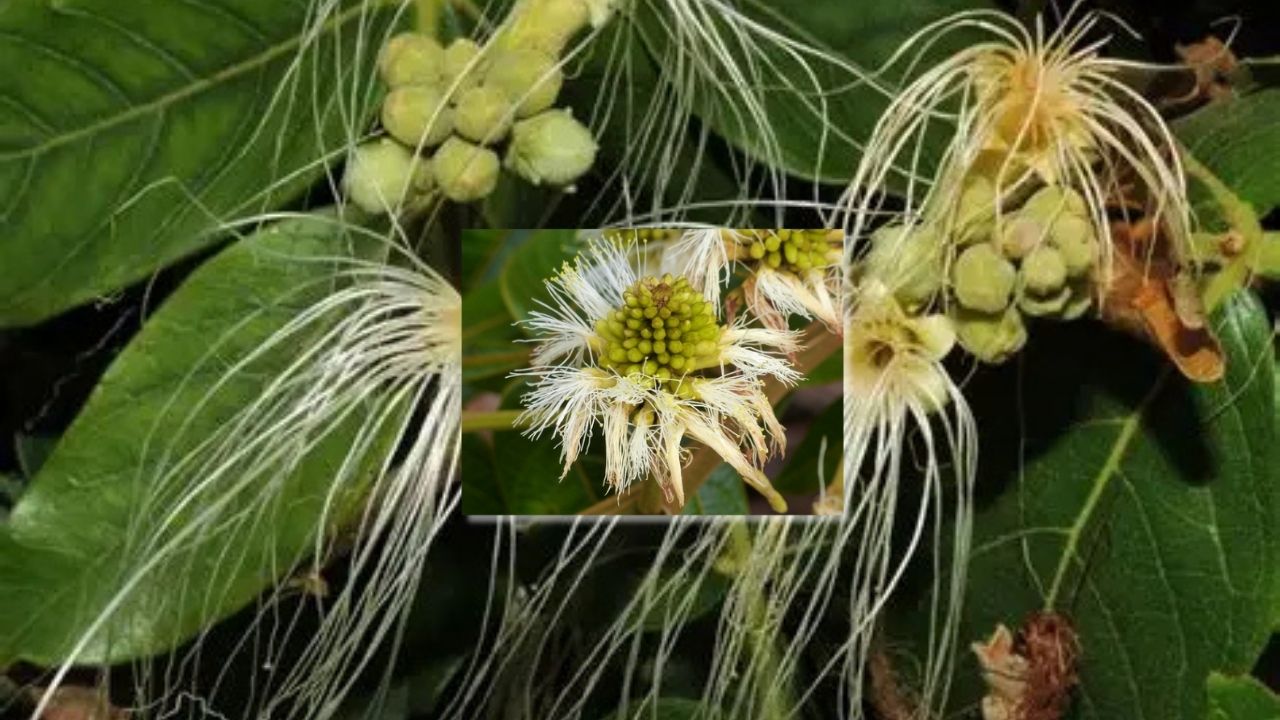
Aberemoa is a fascinating tropical orchid that captivates gardeners with its elegant flowers, lush foliage, and exotic appearance. Native to the warm, humid forests of Central and South America, this beautiful orchid belongs to a group of plants that thrive in conditions similar to their natural rainforest habitat. Although Aberemoa is less commonly grown than popular orchids like Phalaenopsis or Cattleya, it rewards dedicated growers with spectacular blooms and healthy growth when given proper care.
Growing Aberemoa successfully requires attention to light, temperature, humidity, watering, and growing medium. Fortunately, once you understand its needs, this orchid is relatively easy to maintain and can remain healthy for many years. Whether you are an experienced orchid collector or trying your first uncommon orchid, this guide will help you grow Aberemoa from planting through blooming while keeping the plant vigorous and attractive.
Understanding Aberemoa and Its Natural Habitat
Aberemoa naturally grows in tropical rainforests where temperatures remain warm throughout the year. Many species grow as epiphytes, attaching themselves to tree trunks and branches rather than rooting in ordinary soil. Others may grow on rocks or in organic debris where moisture drains quickly.
Because of this natural lifestyle, Aberemoa prefers excellent airflow around its roots, consistent moisture without waterlogging, and high humidity. Replicating these conditions at home gives the best chance of healthy roots and regular flowering.
The plant produces thick roots designed to absorb moisture quickly after rainfall while drying out between watering cycles. Understanding this characteristic is essential for avoiding common problems like root rot.
Choosing the Right Location
Selecting an appropriate location is one of the most important factors for successful growth. Aberemoa enjoys bright, filtered sunlight that resembles the dappled light beneath a forest canopy.
An east-facing window often provides ideal morning sunshine, while a south or west-facing window may require a sheer curtain to reduce intense afternoon rays. Outdoors, the plant performs well beneath shade cloth or under larger trees where direct sunlight is limited.
Too much sun can scorch the leaves, causing yellow or brown patches, while insufficient light leads to slow growth and poor flowering. Healthy leaves should remain a medium green rather than very dark or pale yellow.
Best Soil and Growing Medium
Unlike ordinary houseplants, Aberemoa should not be planted in standard garden soil. Dense soil holds excessive moisture and deprives the roots of oxygen.
Instead, use a well-draining orchid mix consisting of coarse bark, charcoal, perlite, coconut husk chips, and a small amount of sphagnum moss. This mixture provides excellent drainage while retaining enough moisture for healthy root development.
The growing medium gradually breaks down over time, reducing airflow around the roots. Replacing the potting mix every two to three years helps maintain healthy growing conditions.
For mounted plants, cork bark or hardwood slabs can be excellent choices if humidity remains consistently high.
Planting Aberemoa Correctly
When planting Aberemoa, choose a container that allows excellent drainage. Plastic orchid pots with multiple ventilation holes or slotted clay pots work particularly well.
Place a layer of coarse bark in the bottom of the pot before positioning the plant. Spread the roots naturally rather than forcing them into tight spaces. Fill around the roots with orchid mix while keeping the crown slightly above the growing medium.
Avoid packing the bark too tightly. Loose media allow oxygen to reach the roots and encourage healthy development.
After planting, wait a day before watering to allow any damaged roots to heal naturally.
Watering Requirements
Proper watering is essential for maintaining healthy Aberemoa plants. The goal is to keep the roots evenly moist without allowing them to remain constantly wet.
Water thoroughly until moisture drains freely from the bottom of the pot. Then allow the upper portion of the growing medium to dry slightly before watering again.
During warm growing seasons, watering once or twice each week is usually sufficient, although frequency depends on temperature, humidity, airflow, and pot size.
In winter, growth slows naturally, reducing the plant’s water needs. Water less frequently while ensuring the roots never become completely dry for extended periods.
Rainwater, distilled water, or filtered water often produces the best results since orchids may be sensitive to excessive mineral buildup from hard tap water.
Light Requirements for Healthy Growth
Bright indirect light promotes vigorous foliage and abundant flowering.
Morning sunlight is beneficial, but harsh afternoon sun should generally be avoided, particularly during summer. If leaves begin turning reddish or develop burned spots, reduce light exposure.
Conversely, if leaves become unusually dark green and flowering decreases, the plant likely requires additional light.
Indoor growers may supplement natural light with full-spectrum LED grow lights during darker seasons to maintain healthy growth.
Temperature and Humidity
Aberemoa prefers warm temperatures throughout the year. Daytime temperatures between 70°F and 85°F (21°C to 29°C) encourage active growth, while nighttime temperatures around 60°F to 68°F (16°C to 20°C) provide a beneficial drop that supports flower development.
Humidity should remain between 60% and 80% whenever possible. Dry indoor air can slow growth and cause leaf tips to brown.
Increase humidity by placing the plant near a humidifier, grouping several tropical plants together, or using humidity trays filled with pebbles and water. Good air circulation should accompany higher humidity levels to reduce the risk of fungal diseases.
Fertilizing Throughout the Growing Season
Aberemoa benefits from regular feeding during periods of active growth.
Use a balanced orchid fertilizer diluted to one-quarter or one-half of the recommended strength every two to four weeks. Frequent light feedings are generally better than occasional heavy applications.
During the cooler months, reduce fertilizer as growth slows naturally.
Occasionally flush the potting medium thoroughly with clean water to remove accumulated fertilizer salts that may damage the roots over time.
Repotting Mature Plants
Repotting helps refresh the growing medium and provides space for expanding roots.
The ideal time to repot is immediately after flowering or when new root growth begins. Carefully remove the plant from its old container and inspect the roots.
Trim away dead, hollow, or black roots using sterilized scissors while preserving firm white or green roots.
Repot into fresh orchid mix using a container only slightly larger than the previous one. Excessively large pots retain unnecessary moisture and may slow root establishment.
Following repotting, keep watering slightly lighter for the first week while new roots recover.
Propagation Methods
Aberemoa is most commonly propagated through division when mature plants produce multiple growths.
Each division should contain several healthy pseudobulbs and an active growing point to improve establishment.
After separating divisions with sterilized tools, plant each section in fresh orchid mix and maintain high humidity until new roots begin developing.
Propagation from seed is possible but requires highly specialized sterile laboratory conditions because orchid seeds depend on beneficial fungi for germination.
Encouraging Beautiful Blooms
Healthy flowering begins with providing consistent care throughout the year.
Bright filtered light, balanced nutrition, proper watering, and slightly cooler nighttime temperatures all contribute to successful blooming.
Avoid moving the plant frequently once flower spikes begin developing, as sudden environmental changes may cause buds to drop before opening.
After flowering finishes, remove spent flower spikes if they naturally dry while continuing normal care to support future blooming cycles.
Common Pests and Diseases
Although generally resilient, Aberemoa may occasionally experience problems with common orchid pests.
Mealybugs, aphids, spider mites, and scale insects may feed on leaves, stems, and roots. Regular inspection allows early treatment before infestations become severe.
Leaves should remain clean and free of dust, making pest detection easier.
Root rot remains one of the most serious problems and almost always results from excessive watering or poor drainage. Healthy roots require oxygen as much as they require moisture.
Good airflow also helps prevent fungal diseases, bacterial infections, and mold growth in humid environments.
Seasonal Care Tips
During spring and summer, Aberemoa enters its most active growing period. Increase watering, maintain regular fertilization, and provide consistent warmth and humidity.
Autumn often signals the beginning of flower spike formation. Continue bright light while gradually reducing fertilizer.
Winter usually brings slower growth. Water slightly less often while maintaining stable temperatures and avoiding cold drafts from windows or doors.
Seasonal adjustments allow the plant to follow its natural growth rhythm and often improve flowering performance.
Common Growing Mistakes to Avoid
Many problems arise from overwatering rather than underwatering. Orchid roots need both moisture and air, making drainage essential.
Using regular potting soil is another frequent mistake that quickly leads to root suffocation.
Placing the plant in direct afternoon sunlight can scorch foliage, while growing in deep shade prevents blooming.
Neglecting humidity may cause wrinkled leaves and poor overall vigor, especially in heated indoor environments.
Finally, excessive fertilizer can burn sensitive roots. Feeding lightly but consistently produces much healthier plants.
Conclusion
Aberemoa is an exceptional tropical orchid that brings elegance, color, and botanical interest to any indoor collection or shaded outdoor garden. Its graceful blooms and attractive foliage make it a rewarding choice for gardeners willing to provide the warm, humid conditions it naturally enjoys.
By using a well-draining orchid mix, providing bright indirect light, watering carefully, maintaining high humidity, and fertilizing moderately during active growth, you can enjoy a healthy Aberemoa that flowers beautifully year after year. With patience and consistent care, this remarkable orchid will become one of the standout plants in your collection, rewarding your efforts with vibrant blooms and vigorous growth for many seasons to come.
