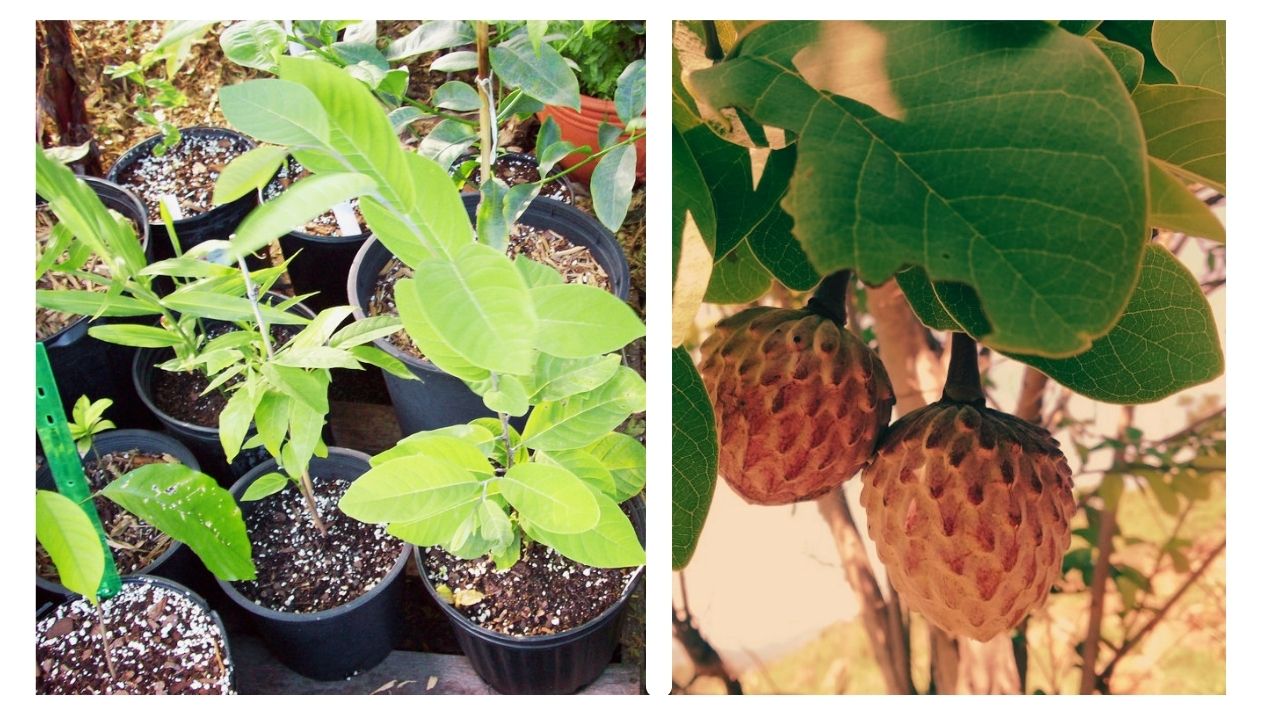
The ilama tree is a tropical fruit tree prized for its sweet, creamy fruit and attractive appearance. Native to Central America and parts of southern Mexico, it belongs to the Annona family, making it a close relative of cherimoya, sugar apple, and soursop. Although it is less commonly grown than some of its relatives, ilama has gained popularity among fruit enthusiasts because of its exceptional flavor and ornamental value.
The tree typically reaches between 15 and 30 feet in height, developing a rounded canopy filled with lush green leaves. During the growing season, it produces unique flowers that eventually develop into heart-shaped or rounded fruits. Depending on the variety, the fruit’s flesh may be white or pink, both offering a rich, custard-like texture with a pleasantly sweet taste.
Growing an ilama tree requires patience, as it takes several years to begin fruiting, but with proper care, it becomes a long-lasting and rewarding addition to a tropical or subtropical garden.
Choosing the Right Growing Location
Selecting the proper planting site is one of the most important factors in successfully growing an ilama tree. It thrives in warm climates where temperatures remain consistently above freezing throughout the year. The tree performs best in USDA Hardiness Zones 10 through 11, although gardeners in cooler areas may grow it in large containers that can be protected during winter.
Full sunlight is essential for healthy growth and abundant fruit production. Ideally, the tree should receive at least six to eight hours of direct sunlight daily. While young trees can tolerate slight afternoon shade in extremely hot climates, mature trees produce better harvests when exposed to full sun.
Protection from strong winds is equally important. High winds may damage branches, reduce flowering, and cause immature fruit to drop prematurely. Planting near a fence, hedge, or windbreak can help protect the tree without restricting sunlight.
Soil Requirements for Healthy Growth
Ilama trees grow best in fertile, well-draining soil that allows roots to breathe while retaining enough moisture for consistent growth. Sandy loam or loamy soil enriched with organic matter provides ideal growing conditions.
The preferred soil pH ranges from slightly acidic to neutral, generally between 6.0 and 7.0. Heavy clay soils that remain waterlogged should be improved with compost and coarse organic materials before planting. Poor drainage often leads to root rot, one of the few serious problems affecting ilama trees.
Adding compost before planting not only improves drainage but also supplies beneficial microorganisms that encourage healthy root development.
How to Plant an Ilama Tree
The best time to plant an ilama tree is during the warm season when temperatures remain consistently mild and frost is no longer a concern. Warm soil encourages rapid root establishment and reduces transplant shock.
Begin by digging a planting hole approximately twice as wide as the root ball while keeping it no deeper than the container. Carefully remove the tree, gently loosen circling roots if necessary, and position it so the top of the root ball sits level with the surrounding soil.
Backfill the hole using the original soil mixed with compost, pressing gently to eliminate air pockets. Water thoroughly after planting to settle the soil around the roots. Applying a layer of organic mulch around the base helps conserve moisture, suppress weeds, and regulate soil temperature. Keep mulch several inches away from the trunk to prevent excess moisture from accumulating against the bark.
Watering for Strong Root Development
Proper watering is especially important during the first few years after planting. Young ilama trees require consistently moist soil while their root systems establish themselves.
Deep watering once or twice each week is usually sufficient, depending on rainfall and soil type. The goal is to moisten the soil deeply rather than providing frequent shallow watering, which encourages weak surface roots.
As the tree matures, it becomes moderately drought tolerant, although regular watering during flowering and fruit development significantly improves fruit quality and yield. During prolonged dry periods, increase watering to prevent stress that may cause flowers or developing fruit to drop.
Avoid overwatering, as constantly saturated soil increases the risk of fungal diseases and root damage.
Fertilizing Throughout the Growing Season
Balanced nutrition encourages healthy foliage, vigorous growth, abundant flowering, and quality fruit production. Young trees benefit from light but regular fertilization every two to three months during the active growing season.
A balanced fertilizer containing nitrogen, phosphorus, and potassium works well during the establishment phase. As the tree matures and begins producing fruit, fertilizers slightly higher in potassium can improve fruit size, sweetness, and overall quality.
Organic fertilizers such as compost, aged manure, fish emulsion, or worm castings also provide slow-release nutrients while improving soil structure.
Micronutrients such as zinc, magnesium, iron, and manganese may occasionally be required, especially if leaves begin showing signs of yellowing or poor growth. Applying compost annually helps replenish many of these essential nutrients naturally.
Pruning and Shaping the Tree
Regular pruning keeps the ilama tree healthy, productive, and easy to harvest. Most pruning should be performed after fruiting or during periods of slower growth.
Young trees benefit from structural pruning that establishes a strong framework of evenly spaced branches. Removing weak, crossing, or crowded limbs improves air circulation and sunlight penetration throughout the canopy.
Mature trees require relatively light maintenance. Dead, diseased, damaged, or inward-growing branches should be removed promptly. Keeping the canopy moderately open reduces humidity within the tree and helps prevent fungal diseases.
If the tree grows too tall, selective height reduction can make harvesting easier while encouraging lateral branching and additional fruit production.
Flowering and Fruit Development
Ilama trees produce unusual flowers that are naturally pollinated by small beetles and other insects in their native habitat. In some growing regions, natural pollination may be limited, resulting in lower fruit production.
Gardeners often improve yields through hand pollination. Using a small, soft paintbrush, pollen can be transferred from male-stage flowers to female-stage flowers during the flowering period. This simple practice often results in larger harvests and better fruit development.
Depending on the climate and variety, fruit usually matures several months after successful pollination. Mature fruit often changes slightly in color and becomes softer when gently pressed.
Harvest fruit carefully using pruning shears rather than pulling it from the tree, which may damage branches or immature fruit nearby.
Common Pests and Diseases
Although ilama trees are generally resilient, they may occasionally encounter pests and diseases that require attention. Aphids, scale insects, mealybugs, and spider mites sometimes feed on young leaves and shoots, particularly during warm weather.
Regular inspection helps detect infestations before they become serious. Washing insects off with water, encouraging beneficial insects, or applying horticultural oils when necessary usually keeps populations under control.
Fruit flies may become a concern in areas where they are common. Harvesting fruit promptly and removing fallen fruit helps reduce infestations.
Fungal diseases typically develop under conditions of excessive moisture or poor air circulation. Leaf spot, anthracnose, and root rot are among the most common issues. Proper spacing, careful watering practices, and good sanitation significantly reduce disease pressure.
Growing Ilama Trees in Containers
Gardeners living outside tropical climates can successfully grow ilama trees in large containers. Choose a sturdy container with multiple drainage holes and use a high-quality, well-draining potting mix enriched with compost.
Container-grown trees require more frequent watering because potting soil dries out faster than garden soil. However, excess water should always drain freely to prevent root problems.
Place the container in the sunniest available location during warm weather and move it indoors or into a greenhouse whenever temperatures approach freezing. Bright light, consistent warmth, and moderate humidity help maintain healthy growth throughout the year.
Repot every two to three years to refresh the soil and provide additional root space as the tree grows.
Seasonal Care and Long-Term Maintenance
Healthy ilama trees benefit from consistent care throughout the year rather than occasional intensive maintenance. Refresh the mulch annually to improve moisture retention and gradually enrich the soil as it decomposes.
Inspect the tree regularly for signs of pests, nutrient deficiencies, or damaged branches. Prompt action prevents minor issues from developing into larger problems.
Water needs vary with the seasons. Increase irrigation during hot, dry weather and reduce watering during cooler periods when growth naturally slows. Fertilize during active growth but avoid excessive feeding during dormancy or cool weather.
As the tree matures, annual pruning, proper nutrition, and regular watering become the foundation of reliable fruit production. Mature ilama trees often reward patient gardeners with generous harvests of uniquely flavored fruit for decades.
Enjoying a Healthy and Productive Ilama Tree
Growing an ilama tree is a rewarding experience for gardeners who appreciate unusual tropical fruits. While the tree requires warmth, sunlight, well-drained soil, and consistent care, it is relatively low-maintenance once established. Its attractive foliage, distinctive flowers, and delicious fruit make it an excellent choice for home orchards and edible landscapes.
With careful planting, regular watering, balanced fertilization, thoughtful pruning, and ongoing monitoring for pests and diseases, an ilama tree can thrive for many years. Whether grown in the ground in tropical climates or in a large container where winters are cold, this remarkable fruit tree offers both ornamental beauty and an abundant harvest that makes every season of care worthwhile.
