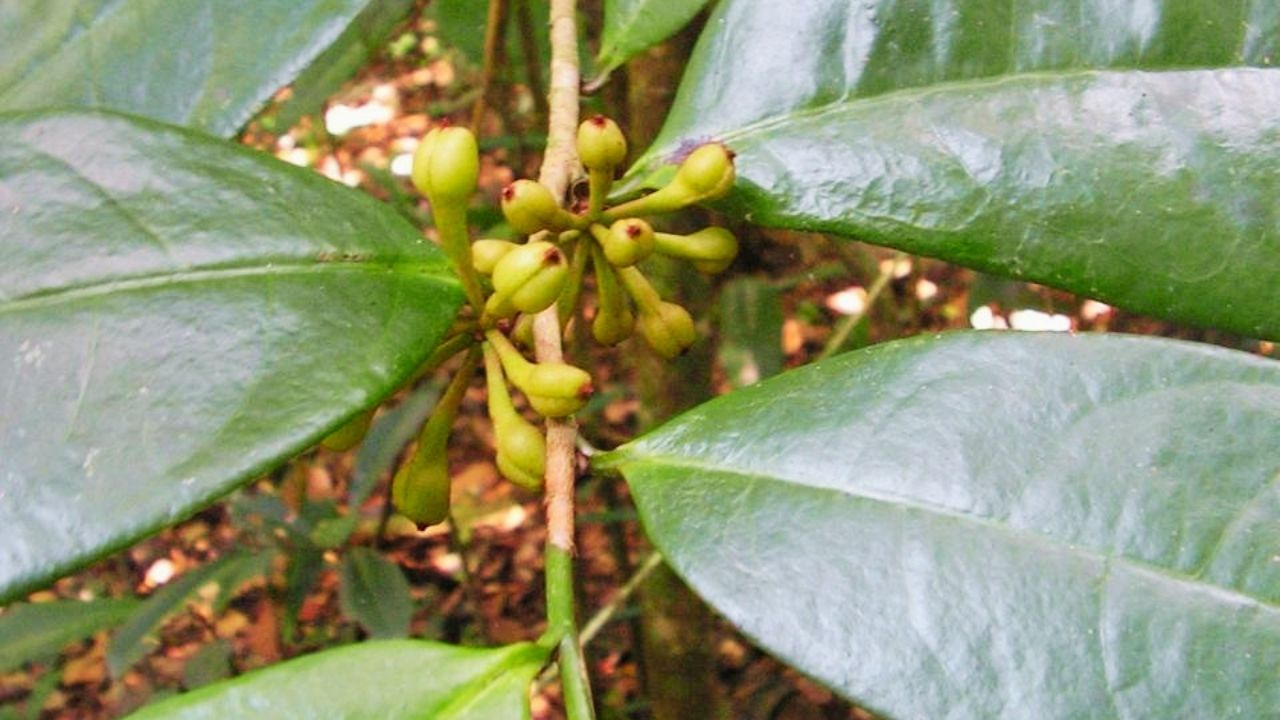
Anaxagorea is one of the oldest and most fascinating flowering plant genera in the tropical world. Belonging to the custard apple family (Annonaceae), these evergreen shrubs and small trees are admired for their glossy foliage, unusual flowers, and striking seed pods. Although they are less commonly grown than many ornamental tropical plants, Anaxagorea rewards patient gardeners with lush growth and a distinctive appearance that adds an exotic touch to landscapes, botanical gardens, and shaded tropical collections.
Native to the humid forests of Central and South America as well as parts of Southeast Asia, Anaxagorea thrives in warm, moist environments where rainfall is abundant and temperatures remain consistently mild to hot throughout the year. With the right conditions, this plant develops into a healthy, long-lived specimen requiring only moderate maintenance.
Whether you are cultivating Anaxagorea as a landscape shrub or nurturing a young plant in a tropical garden, understanding its natural habitat is the key to success. From selecting the ideal planting location to maintaining proper soil moisture and humidity, every aspect of care contributes to vigorous growth and beautiful blooms.
Understanding Anaxagorea’s Growing Requirements
Anaxagorea naturally grows beneath the forest canopy where it receives filtered sunlight and enjoys consistently moist, nutrient-rich soil. This environment provides protection from harsh afternoon sun while allowing enough light for steady growth.
The plant grows slowly during its early years but becomes increasingly vigorous as its root system establishes. Mature specimens can develop into attractive shrubs or small trees with dense foliage that remains evergreen throughout the year in frost-free climates.
Because it evolved in rainforest ecosystems, Anaxagorea appreciates stable environmental conditions with minimal temperature fluctuations and high humidity.
Choosing the Ideal Planting Location
Selecting the right location is one of the most important factors for successful cultivation.
Choose an area that receives bright, indirect light or partial shade for most of the day. Morning sunlight combined with afternoon shade is especially beneficial. Excessive direct sunlight can scorch the leaves, while deep shade may reduce flowering and slow growth.
The planting site should also have protection from strong winds, which can damage young branches and dry out the foliage.
If growing indoors or in a greenhouse, place the plant near a bright window with filtered light while avoiding prolonged exposure to direct midday sun.
Best Soil for Healthy Growth
Anaxagorea grows best in fertile, well-draining soil that retains moisture without becoming waterlogged.
An ideal soil mixture contains:
- Rich organic compost
- Leaf mold or well-rotted manure
- Loamy garden soil
- Coarse sand or fine bark for drainage
A slightly acidic to neutral soil pH between 5.8 and 7.0 encourages healthy nutrient uptake.
Heavy clay soils should be improved with compost and coarse organic materials before planting. Sandy soils benefit from additional organic matter that increases water retention while maintaining aeration.
Applying organic mulch around the root zone further improves soil structure and moisture conservation.
Climate and Temperature Needs
Being a tropical rainforest plant, Anaxagorea prefers consistently warm temperatures throughout the year.
Ideal growing temperatures range from 68°F to 86°F (20°C to 30°C). Growth slows considerably when temperatures fall below 60°F (16°C).
The plant is not frost tolerant. Even brief exposure to freezing temperatures can damage foliage, stems, and roots.
In cooler climates, gardeners often grow Anaxagorea in large containers that can be moved indoors or into a heated greenhouse during cold weather.
High humidity between 60% and 90% closely mimics its natural habitat and encourages lush foliage and healthy flowering.
Planting Anaxagorea Properly
The best time to plant Anaxagorea is during the warm growing season when temperatures remain consistently mild.
Dig a planting hole twice as wide as the root ball but no deeper than its height. Position the plant so the top of the root ball sits level with the surrounding soil.
Backfill with enriched soil, gently firm the surface, and water thoroughly to eliminate air pockets around the roots.
After planting, apply a two- to three-inch layer of mulch while keeping it a few inches away from the main stem to prevent rot.
Newly planted specimens benefit from regular watering until fully established.
Watering for Strong Root Development
Consistent moisture is essential throughout the growing season.
Water deeply whenever the top inch of soil begins to dry. Rather than frequent shallow watering, provide thorough irrigation that reaches the entire root system.
During periods of intense heat, watering may be required several times each week depending on rainfall and soil type.
Avoid allowing the soil to remain completely dry for extended periods, as drought stress may cause leaf drop and reduced flowering.
Likewise, avoid standing water around the roots, which increases the risk of root rot.
Container-grown plants usually require more frequent watering than those planted in the ground.
Fertilizing Throughout the Growing Season
Although Anaxagorea is not a particularly heavy feeder, regular fertilization supports healthy foliage, flowering, and overall vigor.
Apply a balanced slow-release fertilizer in early spring as new growth begins.
Throughout the active growing season, supplement with diluted liquid fertilizer every four to six weeks.
Organic fertilizers such as compost, worm castings, fish emulsion, or seaweed extract gradually enrich the soil while improving microbial activity.
Avoid excessive nitrogen applications, which may encourage leafy growth at the expense of flowers.
Reduce feeding during winter when growth naturally slows.
Pruning and General Maintenance
Anaxagorea generally maintains an attractive natural shape and requires only light pruning.
Remove dead, damaged, or diseased branches whenever necessary to improve air circulation and encourage healthy new growth.
Light shaping after flowering helps maintain a compact appearance without reducing future blooms.
Avoid severe pruning, as older wood recovers slowly and excessive cutting may temporarily reduce flowering.
Regular removal of fallen leaves and debris around the plant also helps minimize fungal diseases.
Propagation Methods
Anaxagorea can be propagated from seeds or semi-hardwood cuttings.
Fresh seeds usually provide the highest germination rates. Clean the seeds thoroughly and sow them in a warm, moist propagation mix containing peat and perlite or coarse sand.
Maintain temperatures around 75°F to 85°F (24°C to 29°C) with consistently moist soil.
Germination may take several weeks or even a few months depending on the species.
Semi-hardwood cuttings taken during active growth can also root successfully when treated with rooting hormone and placed under high humidity with bottom warmth.
Although propagation requires patience, established young plants gradually become more vigorous each year.
Managing Pests and Diseases
Healthy Anaxagorea plants experience relatively few serious pest problems.
Occasionally, aphids, mealybugs, spider mites, and scale insects may appear, particularly on greenhouse or indoor plants.
Inspect the foliage regularly, especially the undersides of leaves and new shoots.
Most infestations can be controlled with insecticidal soap or neem oil applied according to directions.
The most common disease issue is root rot caused by poorly drained soil or excessive watering.
Leaf spot diseases may occasionally develop in humid conditions with poor air circulation.
Maintaining proper spacing, avoiding overhead watering late in the day, and keeping foliage dry help reduce disease pressure.
Growing Anaxagorea in Containers
Container growing offers flexibility for gardeners outside tropical climates.
Choose a large container with several drainage holes and fill it with a high-quality, well-draining potting mix enriched with compost.
Place the container in bright filtered light where temperatures remain consistently warm.
Container-grown plants require closer attention to watering because potting mixes dry faster than garden soil.
Repot every two or three years or whenever roots begin circling the container.
Fresh potting mix replenishes nutrients and provides room for continued root expansion.
Encouraging Healthy Flowering
Flower production depends on providing stable growing conditions.
Consistent warmth, moderate feeding, proper watering, and bright filtered light all contribute to reliable blooming.
Avoid relocating mature plants frequently, as environmental changes may interrupt flowering.
Keeping the plant free from drought stress and maintaining steady humidity encourages the development of healthy flower buds.
Well-established plants typically bloom more heavily as they mature.
Seasonal Care Tips
Spring is the ideal time for planting, fertilizing, and encouraging vigorous new growth.
Summer requires consistent watering, mulch renewal, humidity management, and regular inspections for pests.
Autumn is suitable for light pruning, reducing fertilizer applications, and preparing container plants for cooler weather if necessary.
Winter care focuses on protecting plants from cold temperatures while maintaining moderate soil moisture without overwatering.
Indoor specimens should receive as much filtered light as possible during shorter winter days.
Common Growing Mistakes to Avoid
Many cultivation problems result from conditions that differ significantly from the plant’s rainforest origins.
Poor drainage remains the most common cause of failure, often leading to root diseases.
Planting in full, intense sunlight can scorch leaves and reduce overall vigor.
Allowing prolonged drought weakens the plant, while constant overwatering deprives roots of oxygen.
Using nutrient-poor soil without organic matter limits healthy growth and flowering.
Finally, exposing Anaxagorea to cold temperatures can cause severe damage that may take months to recover from.
Conclusion
Anaxagorea is a remarkable tropical plant that rewards attentive gardeners with glossy evergreen foliage, unique flowers, and lasting ornamental value. Although it requires warm temperatures, high humidity, fertile soil, and consistent moisture, its overall care is straightforward once its natural rainforest habitat is understood and recreated.
By planting it in well-draining, organic-rich soil, providing filtered sunlight, watering regularly, and protecting it from frost, gardeners can enjoy a thriving specimen for many years. Whether grown as a striking landscape shrub, an understory garden feature, or an elegant container plant, Anaxagorea brings a touch of tropical beauty and botanical uniqueness to any collection. With patience and proper care, it will continue to flourish, producing lush growth and distinctive blooms season after season.
