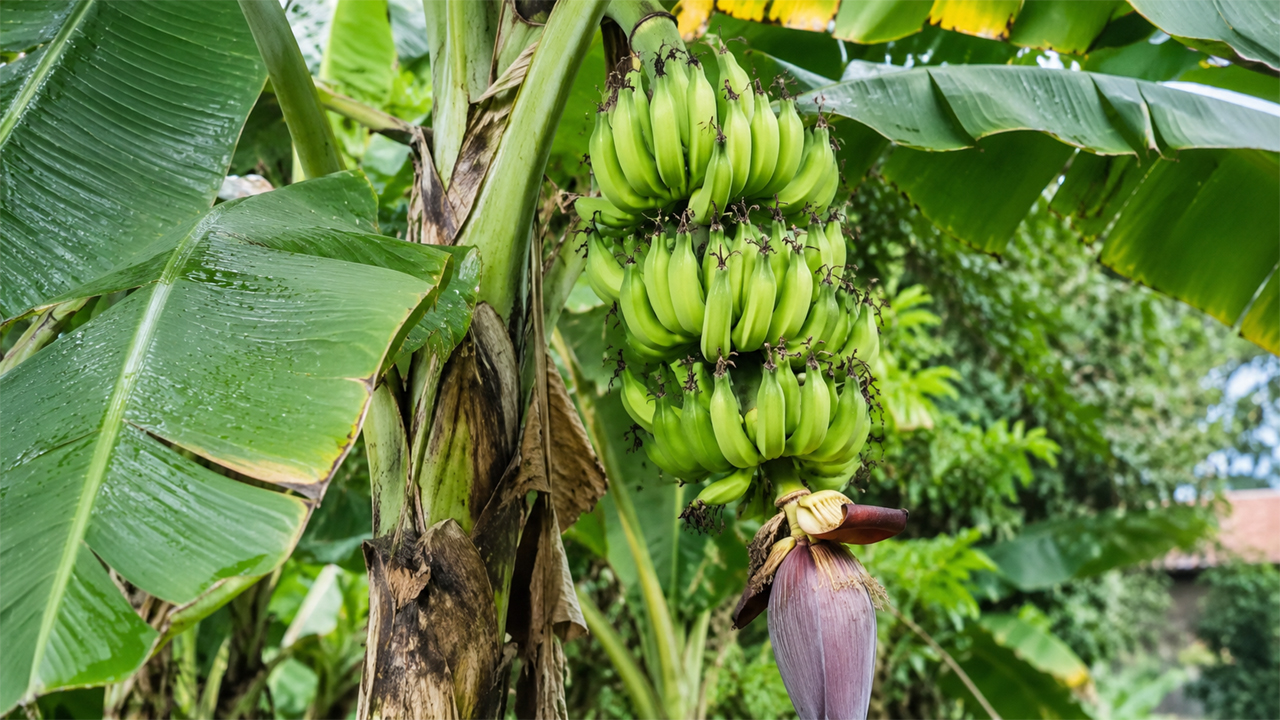
Musa acuminata is one of the most important banana species in the world, valued for its lush tropical foliage, attractive growth habit, and role in producing many familiar edible bananas. Native to Southeast Asia and surrounding tropical regions, this perennial plant belongs to the Musaceae family and thrives in warm, humid environments. Its large green leaves, rapid growth, and impressive fruit clusters make it an excellent choice for tropical gardens, spacious backyards, and suitable container-growing projects.
Learning how to cultivate Musa acuminata successfully involves understanding its requirements for sunlight, water, soil, nutrients, and temperature. Although banana plants can grow quickly under favorable conditions, they need consistent care to develop strong pseudostems, healthy leaves, and productive fruit bunches. With the right growing techniques, gardeners can enjoy the beauty of this tropical plant while creating conditions that support long-term growth and potentially rewarding harvests.
Choosing the Right Location for Musa acuminata
Selecting an appropriate growing location is one of the first steps toward establishing a healthy Musa acuminata plant. This species prefers a warm, sunny position with plenty of room for its broad leaves to spread. In suitable climates, a location receiving six to eight hours of direct sunlight daily generally supports vigorous growth and better fruit production.
Gardeners should choose a sheltered area that protects the plant from strong winds. Banana leaves are large but relatively delicate, and powerful gusts can tear them or damage the pseudostem. Although torn leaves do not necessarily threaten the entire plant, repeated wind damage can reduce its ability to capture sunlight efficiently.
Space is equally important. Depending on the cultivar and growing conditions, Musa acuminata may reach several metres in height. Planting it too close to walls, fences, or other large plants can restrict airflow and create competition for nutrients and moisture. A location with good air circulation, fertile soil, and protection from cold weather provides a strong foundation for successful cultivation.
Understanding the Ideal Soil Conditions
Musa acuminata grows best in fertile, well-draining soil that retains enough moisture to support its rapid development. Loamy soil enriched with organic matter is particularly suitable because it combines drainage, aeration, and nutrient availability. A slightly acidic to neutral soil pH, approximately 5.5 to 7.0, is generally favorable.
Before planting, loosen the soil and incorporate mature compost or well-rotted organic matter. This improves soil structure, encourages beneficial microbial activity, and helps maintain consistent moisture levels around the roots. Heavy clay soil may require improvement to prevent waterlogging, while very sandy soil benefits from organic matter that increases water retention.
Good drainage is essential because banana roots require moisture but can suffer when they remain saturated for extended periods. If the garden has compacted soil or poor drainage, consider growing Musa acuminata in a raised bed. Container gardeners should select a large pot with sufficient drainage holes and use a quality growing medium that allows excess water to escape.
Avoid placing fresh manure directly against the plant’s roots, as concentrated nutrients and salts may cause damage. Properly composted organic materials offer a safer way to improve soil fertility.
Planting Musa acuminata Successfully
Musa acuminata can be established from healthy suckers, tissue-cultured plants, or seeds, depending on the variety and purpose of cultivation. For gardeners interested in growing edible bananas, purchasing a healthy plant or selecting a suitable sucker from a productive parent plant is often the most practical option.
Choose a sucker with a well-developed root system and healthy green leaves. Remove it carefully from the parent plant using a clean, sharp tool, preserving as many roots as possible. Tissue-cultured plants should be hardened gradually before being exposed to outdoor conditions.
Dig a planting hole wide enough to accommodate the roots without bending or crowding them. Position the plant at approximately the same depth at which it was previously growing, then backfill with prepared soil and gently firm the area. Water thoroughly to settle the soil around the roots.
Apply a layer of organic mulch around the base to conserve moisture, regulate soil temperature, and suppress weeds. Keep the mulch a short distance away from the pseudostem to reduce the risk of excessive moisture and decay. Planting during warm weather, when frost is no longer a concern, generally gives young plants the best opportunity to establish themselves.
Providing the Right Amount of Sunlight and Temperature
Warmth is essential for Musa acuminata because it originates from tropical environments and grows actively when temperatures remain favorable. Temperatures around 25–32°C are generally suitable for vigorous growth, although individual cultivars vary in their tolerance of heat and cooler conditions.
The plant performs best in bright sunlight, but newly established specimens may benefit from gradual acclimatization when moved from a protected nursery environment into intense outdoor sunshine. In extremely hot regions, afternoon shade can help reduce leaf scorching, particularly when plants are young or water availability is limited.
Cold weather slows growth considerably and can damage leaves and other plant tissues. Frost may destroy exposed foliage and injure the pseudostem, especially in young plants. In cooler climates, grow Musa acuminata in a movable container, protect it during cold spells, or maintain it in a warm greenhouse where appropriate.
Indoor cultivation is possible with sufficient space, strong light, and good humidity. However, ordinary indoor lighting is rarely enough to support vigorous growth or reliable fruiting. A bright conservatory or greenhouse usually offers more suitable conditions.
Watering Musa acuminata for Healthy Growth
Consistent watering is one of the most important aspects of growing Musa acuminata. Its large leaves lose considerable moisture, while its rapid growth creates a continuous demand for water. The soil should remain evenly moist during active growth without becoming waterlogged.
Water deeply when the upper layer of soil begins to dry, adjusting the frequency according to temperature, rainfall, soil type, and container size. Plants growing in hot, sunny conditions may need more frequent watering than those growing in cooler weather. Container-grown bananas often dry out faster than plants established in the ground.
Direct water toward the soil around the root zone rather than relying entirely on overhead watering. Watering early in the day can help plants cope with daytime heat and allows excess moisture on the foliage to evaporate.
Overwatering can be just as harmful as underwatering. Persistent saturation reduces oxygen around the roots and may encourage root deterioration. Yellowing leaves, poor growth, and persistently wet soil can indicate that drainage or watering practices need attention.
A layer of organic mulch helps reduce evaporation and keeps the root zone more stable. During periods of heavy rainfall, check that water drains freely and avoid adding unnecessary irrigation.
Feeding Musa acuminata for Vigorous Development
Because Musa acuminata produces substantial foliage in a relatively short time, it benefits from regular nutrient availability. Nitrogen supports leaf and pseudostem development, while potassium is especially important for plant health and fruit development. Phosphorus and other essential nutrients also contribute to healthy root growth and overall function.
Begin with fertile soil enriched with mature compost. During the active growing season, apply a balanced fertilizer according to its label and the plant’s stage of development. A fertilizer suitable for banana plants, with adequate potassium, can be particularly useful as the plant approaches flowering and fruit production.
Avoid applying excessive fertilizer in an attempt to accelerate growth. Overfeeding can damage roots, contribute to salt accumulation, and produce unbalanced growth. Spread granular fertilizer around the root zone rather than directly against the pseudostem, and water as directed after application.
Container-grown plants may require more frequent feeding because nutrients can be washed out during regular watering. However, feeding schedules should always reflect the growing medium, fertilizer formulation, and plant response. Healthy green leaves and steady growth generally indicate that nutrition is adequate.
Pruning, Sucker Management, and General Maintenance
Musa acuminata does not require complicated pruning, but regular maintenance helps keep the plant healthy and manageable. Remove completely dead, badly damaged, or diseased leaves with clean cutting tools. Avoid removing healthy green foliage unnecessarily, as these leaves provide energy for growth and fruit development.
Banana plants produce new shoots called suckers around the base. These shoots can be used to propagate additional plants, but allowing too many to grow may increase competition for water, nutrients, and light.
For fruit production, gardeners often maintain one mature main stem, one developing sucker, and one younger sucker. This arrangement, sometimes called a banana mat, supports continuity by allowing younger shoots to replace the parent plant after fruiting. The exact approach depends on available space, the cultivar, and whether the primary goal is ornamental growth or harvests.
Keep the area around the plant free from competing weeds, and inspect the leaves and pseudostem regularly. Good sanitation and appropriate spacing improve airflow and make it easier to identify developing problems early.
Managing Pests and Common Plant Problems
Musa acuminata may experience problems involving aphids, spider mites, mealybugs, and other pests, depending on the growing environment. Aphids can damage tender growth and may transmit certain plant viruses, while spider mites are more likely to become troublesome in hot, dry conditions.
Inspect the undersides of leaves, young shoots, and the base of the pseudostem regularly. Small infestations may be managed by washing pests away with water or using an appropriate insecticidal soap according to its label. Encourage beneficial insects outdoors and avoid unnecessary pesticide applications that may harm them.
Yellow leaves do not always indicate disease. Older leaves naturally die as the plant grows, but widespread yellowing can also result from overwatering, drought, nutrient deficiencies, or cold stress. Examine the soil moisture and recent growing conditions before deciding how to correct the problem.
Persistent waterlogging should be addressed promptly, while severely damaged or diseased plant material should be removed carefully. Purchasing healthy planting material and maintaining suitable growing conditions are among the most effective ways to reduce avoidable problems.
Encouraging Flowering and Abundant Banana Harvests
Under favorable conditions, Musa acuminata may flower after an extended period of vegetative growth. The timing varies according to cultivar, climate, sunlight, nutrition, and general plant health. Warm temperatures, consistent moisture, and adequate potassium can help create favorable conditions for flowering and fruit development.
The plant produces a flowering structure that develops into a cluster of hands, each containing individual bananas. Not every Musa acuminata cultivar produces commercially familiar fruit, and fruit quality, size, and seed development depend on the plant’s genetics. Many cultivated edible bananas are selected varieties or hybrids associated with this species.
Once a fruit bunch develops, support may be necessary if its weight places strain on the pseudostem. Protect the plant from strong winds and maintain consistent watering while the bananas develop. Fruit maturity varies, so observe the fullness and shape of the individual bananas rather than relying on a fixed calendar.
After the parent pseudostem has produced its fruit, it generally dies back. Cut it down carefully once fruiting has finished, while preserving healthy suckers that will continue the growing cycle.
Growing Musa acuminata in Containers
Container cultivation makes Musa acuminata accessible to gardeners with limited outdoor space or climates that experience cold winters. Choose a sturdy, generously sized pot with excellent drainage and enough room for the roots to expand. Smaller containers may restrict growth and dry out quickly.
Use a fertile, moisture-retentive but well-draining potting mix. Place the container in a bright, warm location and rotate it occasionally if growth becomes uneven. Monitor watering closely during hot weather, and feed the plant regularly during active growth without exceeding recommended rates.
Some cultivars are better suited to containers than others. Even so, Musa acuminata can become large, and a mature specimen may eventually need a much bigger pot or an outdoor planting position. Repot when roots become crowded or growth declines despite appropriate care.
Conclusion
Cultivating Musa acuminata successfully begins with providing warmth, sunlight, fertile soil, consistent moisture, and sufficient space. Regular feeding, sensible sucker management, and careful monitoring for pests help maintain healthy growth throughout the plant’s life.
Whether grown for its dramatic tropical appearance or its potential to produce edible bananas, Musa acuminata rewards gardeners who understand its needs and maintain suitable conditions. With thoughtful planting and consistent care, this remarkable banana plant can become a productive and attractive feature of a tropical garden, greenhouse, or spacious container collection.
