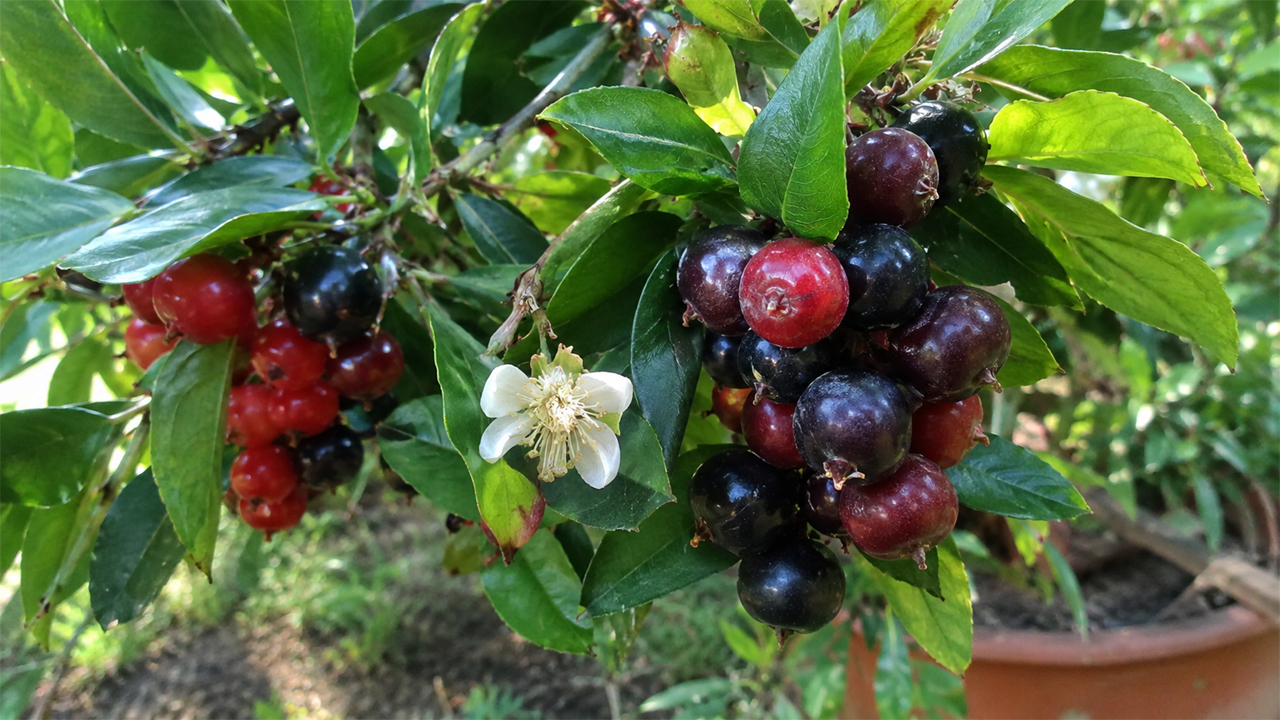
The grumichama tree, scientifically known as Eugenia brasiliensis, is a tropical fruit tree native to Brazil and widely appreciated for its attractive evergreen foliage, fragrant white flowers, and delicious dark purple fruits. Often called Brazilian cherry, this beautiful tree belongs to the myrtle family and can be grown for both ornamental and fruit-producing purposes. Its compact growth habit makes it suitable for home gardens, tropical landscapes, and appropriately sized containers.
Grumichama fruits resemble small cherries and typically develop a deep purple to almost black color when ripe, although yellow-fruited forms also exist. Their sweet, mildly acidic flavor makes them enjoyable fresh or useful in jams, juices, desserts, and other homemade preparations. With the right growing conditions and consistent care, a grumichama tree can become a productive and attractive addition to a garden.
Choosing the Right Location for Healthy Growth
Selecting a suitable planting location is one of the most important steps in growing a healthy grumichama tree. These trees thrive in warm, humid environments with plenty of sunlight and protection from harsh weather. A location receiving approximately six hours of sunlight daily is generally suitable, although young trees can benefit from partial shade during particularly hot afternoons.
In tropical and subtropical climates, grumichama trees can grow well outdoors when temperatures remain comfortably warm. They are sensitive to frost, especially while young, so gardeners in cooler regions should provide protection during cold weather. Strong winds can also damage young branches, dry out foliage, and interfere with flowering.
Choose a location with enough space for the tree to develop its canopy without competing heavily with nearby plants. Good air circulation helps maintain healthy foliage, while protection from intense wind supports steady growth. Before planting, consider the tree’s mature size, the amount of available sunlight, and the ease of watering and harvesting.
Preparing the Soil for Strong Roots
Grumichama trees perform best in fertile, well-draining soil rich in organic matter. Although they appreciate consistent moisture, their roots do not tolerate prolonged waterlogging. Heavy clay soil that remains saturated after rain can increase the risk of root problems and slow the development of young trees.
A slightly acidic soil is generally suitable, and adding mature compost can improve soil structure, moisture retention, and nutrient availability. Before planting, loosen the soil over a broad area so that developing roots can spread easily. If the ground drains poorly, consider growing the tree on a raised mound or in a raised bed.
Avoid placing large quantities of fresh manure or concentrated fertilizer directly into the planting hole, as these materials may damage delicate roots. Instead, incorporate well-decomposed organic matter into the surrounding soil. A layer of organic mulch placed around the tree can help conserve moisture and gradually improve soil quality as it decomposes.
How to Plant a Grumichama Tree
Grumichama trees can be grown from seeds or purchased as nursery-grown plants. Seed-grown trees are an interesting option for patient gardeners, but their characteristics may vary, and they can take several years to produce fruit. Healthy nursery plants, particularly well-established grafted specimens where available, may provide a more predictable growing experience.
To plant a young tree, dig a hole approximately twice as wide as the root ball and no deeper than its existing root system. Carefully remove the container without disturbing the roots unnecessarily. Position the tree so that the top of the root ball remains level with the surrounding ground, then backfill with the prepared soil.
Water thoroughly after planting to settle the soil around the roots. Apply mulch over the root zone, leaving a small gap around the trunk to prevent excessive moisture from collecting against the bark. During the first few months, check soil moisture regularly and protect the young tree from strong winds and intense afternoon heat.
Watering Techniques for Consistent Growth
Consistent watering is essential for establishing a grumichama tree, particularly during its first year. The soil should remain lightly moist without becoming waterlogged. Newly planted trees generally require more frequent attention than established specimens because their root systems have not yet spread deeply into the surrounding ground.
Water slowly and deeply so moisture reaches the developing roots. Rather than following a rigid daily schedule, check the soil before watering. If the upper layer has begun to dry, provide water according to the weather, soil type, and tree size. Sandy soils dry faster than heavier soils, while rainy periods may eliminate the need for additional irrigation.
During hot summers, monitor the tree more frequently because elevated temperatures and dry winds can increase water loss. Mulching helps reduce evaporation and keeps root temperatures more stable. Once the tree is established, it may tolerate short periods of reduced rainfall, but prolonged dryness can cause leaf drop, poor flowering, and reduced fruit production.
Fertilizing for Vigorous Branches and Better Fruit
A steady supply of nutrients encourages healthy leaves, strong branches, and productive flowering. Begin with fertile soil and mature compost, then use a balanced fertilizer appropriate for fruit trees when additional nutrients are needed. Follow the product’s directions and avoid excessive applications.
Young trees benefit from modest, appropriately spaced fertilizer applications during active growth. As the tree matures, its nutritional needs change, particularly when it begins producing substantial crops. Applying fertilizer during suitable growing periods can support new shoots and fruit development, but feeding should be adjusted to the local climate and the tree’s condition.
Too much nitrogen may encourage excessive leafy growth at the expense of flowers and fruit. If the leaves become unusually pale, growth slows, or the tree develops other symptoms, consider whether nutrient deficiencies, poor drainage, or incorrect watering could be responsible before adding more fertilizer. A soil test can help identify specific nutritional problems and prevent unnecessary applications.
Pruning and Maintaining an Attractive Canopy
Grumichama trees naturally develop an attractive evergreen canopy, so extensive pruning is rarely necessary. Light pruning can improve airflow, maintain a manageable shape, and remove branches that are damaged, diseased, crossing, or growing inward.
The best time to prune is generally after harvesting or during a suitable period of active growth when the tree is not experiencing severe heat or cold stress. Use clean, sharp pruning tools and make careful cuts without removing excessive healthy foliage. Heavy pruning can reduce flowering and fruit production, particularly if productive branches are removed.
For container-grown trees or small home gardens, occasional shaping can help control height and make harvesting easier. However, avoid repeatedly cutting back all new growth. A balanced canopy with sufficient healthy leaves allows the tree to capture sunlight and produce the energy needed for flowering and fruit development.
Encouraging Flowering and Abundant Brazilian Cherries
Flowering and fruit production depend on several factors, including the tree’s age, sunlight exposure, moisture levels, nutrition, and growing environment. A healthy grumichama tree may take several years to begin producing a meaningful crop, especially when grown from seed. Patience is important because young trees often need time to establish a strong root system and mature canopy.
Provide adequate sunlight, maintain consistent soil moisture, and avoid excessive nitrogen fertilization. These practices support balanced growth and create better conditions for flowering. Fragrant white flowers attract pollinating insects, which can contribute to successful fruit development.
Some trees may produce more than one flowering period under favorable conditions, although fruiting schedules vary with climate and cultivar. If flowering occurs without much fruit formation, consider weather conditions during bloom, pollinator activity, and the tree’s general health. Avoid making several major changes at once, as gradual adjustments make it easier to identify the cause of poor production.
Managing Pests and Common Growing Problems
Grumichama trees are generally manageable in home gardens, but they can still experience pest damage and environmental stress. Aphids, scale insects, and other sap-feeding pests may occasionally affect foliage and tender shoots. Regularly inspect the undersides of leaves, young branches, and new growth to identify problems early.
Remove severely affected plant material when appropriate and encourage beneficial insects by maintaining a diverse garden. If treatment becomes necessary, select a product suitable for the identified pest and edible fruit trees, following its label carefully. Avoid unnecessary pesticide applications, particularly during flowering when pollinators are active.
Yellowing leaves may indicate several different problems, including overwatering, poor drainage, nutrient deficiencies, or natural leaf replacement. Brown leaf edges can result from heat stress, irregular watering, or excessive fertilizer. Examine soil moisture, recent weather, and the pattern of symptoms before deciding on a remedy. Good drainage, clean gardening tools, and appropriate watering remain essential preventive measures.
Growing Grumichama Trees in Containers
Gardeners with limited outdoor space can grow grumichama trees in large containers, provided their needs are carefully managed. Choose a sturdy pot with generous drainage holes and enough room for the roots to develop. A container holding approximately 40 to 60 liters can be a useful starting point for a young tree, although larger specimens may eventually need more space.
Use a high-quality potting mix that retains some moisture while allowing excess water to drain freely. Place the container where the tree receives ample sunlight and can be protected from cold weather. Container-grown plants usually require more frequent watering than trees planted directly in the ground because their growing medium dries out more quickly.
As the tree grows, monitor root development and repot when necessary. Prune lightly to maintain a manageable shape, and provide nutrients according to the requirements of container-grown fruit trees. Although container cultivation can restrict overall size, consistent care is still necessary to encourage flowering and fruiting.
Harvesting and Enjoying Ripe Grumichama Fruits
Grumichama fruits are generally ready for harvesting when they reach their characteristic mature color and develop a pleasant, sweet flavor. Depending on the variety, ripe fruits may be dark purple or nearly black, while yellow-fruited forms remain lighter. Color alone is not always sufficient, so check for appropriate softness and taste when determining maturity.
Pick fruits gently to avoid damaging the thin skin or breaking delicate branches. Because ripe fruits are perishable, harvest only what can be used promptly or stored appropriately. Fresh Brazilian cherries can be eaten directly, added to fruit salads, blended into drinks, or prepared into jams and sauces.
Regular harvesting also helps gardeners monitor fruit quality and identify any pest or disease problems affecting the crop. The exact harvest period depends on local weather, tree maturity, and growing conditions.
Building a Long-Term Care Routine
Growing a productive grumichama tree is primarily a matter of providing suitable soil, warm conditions, sufficient sunlight, consistent moisture, and balanced nutrition. During establishment, prioritize watering and root development. As the tree matures, focus on maintaining a healthy canopy, encouraging flowering, and monitoring pests before they become serious problems.
Keep a simple record of watering, fertilizer applications, flowering periods, and harvest dates. These observations can help reveal seasonal patterns and guide future care. Avoid excessive pruning, overfertilization, and frequent changes to the growing environment, as steady conditions are usually more beneficial than intensive intervention.
With patience and attentive maintenance, the grumichama tree can reward gardeners with glossy evergreen foliage, fragrant blossoms, and flavorful Brazilian cherries. Whether planted in a tropical garden or cultivated in a spacious container, it offers an appealing combination of ornamental beauty and homegrown fruit for gardeners willing to meet its basic growing needs.
