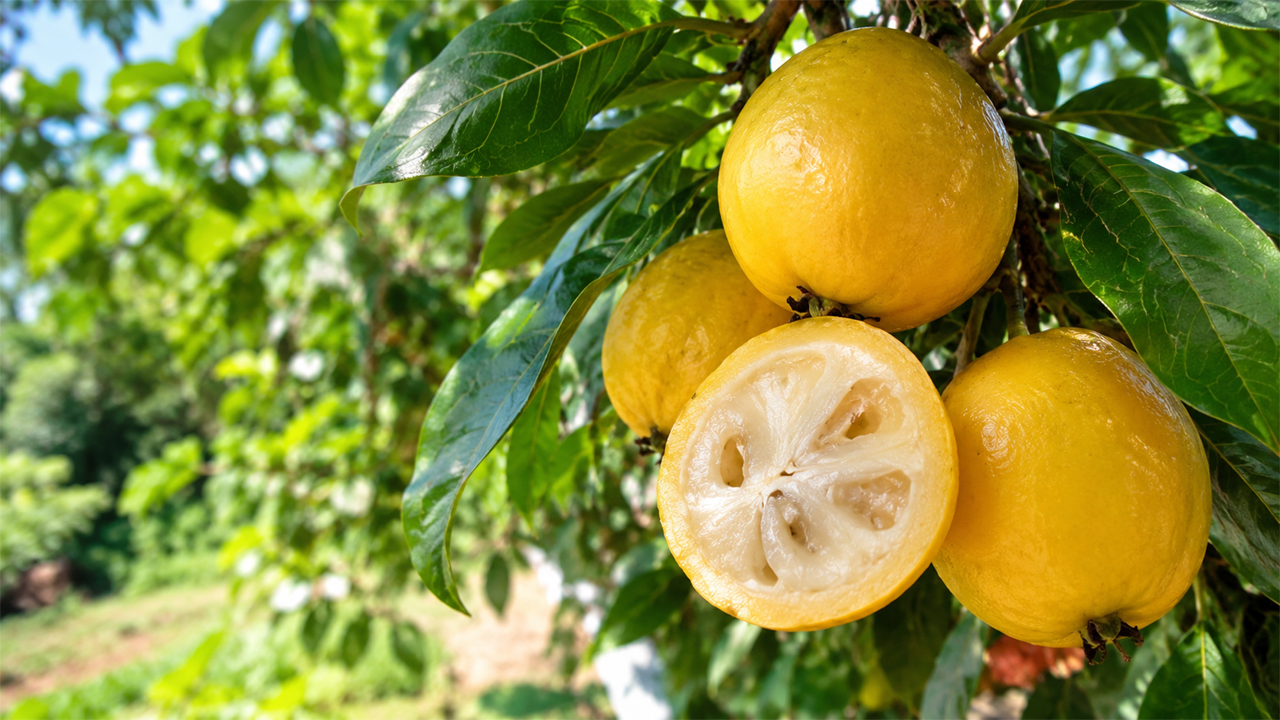
Araza is an intriguing tropical fruit tree that deserves more attention from home gardeners, small-scale farmers, and enthusiasts of exotic plants. Native to the Amazon region of South America, araza is known for its bright yellow fruit, refreshing aroma, and distinctive sweet-and-sour flavour. Scientifically known as Eugenia stipitata, this member of the Myrtaceae family is valued for its potential in fresh juices, smoothies, jams, desserts, and other fruit-based products.
Although araza is not as widely cultivated as mango, guava, or citrus, it can grow successfully when provided with suitable tropical conditions and consistent care. Understanding its climate requirements, soil preferences, watering needs, and harvesting methods can make cultivation easier for beginners and experienced growers alike. With patience and proper management, araza can become a productive addition to a tropical garden or small fruit orchard.
Understanding the Araza Fruit Tree
Araza is a small to medium-sized evergreen or semi-evergreen tropical tree that typically grows as a dense shrub or compact tree, depending on growing conditions and pruning practices. Its foliage is generally lush and green, while its flowers develop into rounded fruits that turn yellow as they mature. The fruit usually has a soft, juicy pulp and a strong acidic flavour that makes it especially suitable for beverages and processed foods.
The tree is associated with the humid Amazonian environment, where warmth, rainfall, and fertile soils support vigorous growth. However, its adaptability to different tropical locations makes it an interesting option for cultivation beyond its native range.
Araza is particularly attractive to growers interested in diversifying fruit production. Its relatively compact growth habit can suit smaller properties, while its distinctive fruit may offer opportunities for local markets and value-added products. Nevertheless, successful cultivation depends on selecting suitable planting material and understanding the environmental conditions the tree needs to thrive.
Choosing the Right Climate and Planting Location
Climate is one of the most important factors in araza cultivation. The tree generally performs best in warm, humid tropical environments with relatively stable temperatures throughout the year. Temperatures around 22°C to 30°C are often suitable for growth, although performance depends on the particular plant and local conditions. Prolonged cold, frost, and severe temperature fluctuations can damage young trees and reduce productivity.
Choose a planting location that receives abundant sunlight while providing protection from strong winds. Araza can benefit from several hours of direct sunlight daily, although young plants may appreciate light shade during particularly hot periods. A location with good air circulation also helps reduce excessive humidity around the foliage.
Before planting, consider the tree’s mature size and leave sufficient space for its branches to spread. Avoid low-lying areas where water collects after heavy rainfall, as persistently saturated soil can damage the roots. In regions with a pronounced dry season, access to reliable irrigation can make a considerable difference to establishment and fruit production.
Preparing the Soil for Healthy Growth
Araza generally prefers fertile, well-drained soil rich in organic matter. Slightly acidic soil is often suitable, although the ideal conditions depend on local soil characteristics. Heavy clay soils that remain waterlogged for long periods can restrict root development, while extremely sandy soils may drain too quickly and struggle to retain nutrients.
Prepare the planting area by removing weeds, stones, and unwanted vegetation. Loosen the soil to encourage root penetration, then incorporate well-decomposed compost or other mature organic matter to improve its structure and fertility. A soil test can help determine whether adjustments to pH or nutrient levels are necessary.
If the native soil drains poorly, consider planting araza on a raised mound or in a properly prepared raised bed. This approach can improve drainage during periods of heavy rain. However, ensure that the surrounding area does not allow water to accumulate around the root zone.
Avoid adding excessive fertiliser or fresh manure directly to the planting hole. Concentrated nutrients can damage young roots, while undecomposed organic materials may create undesirable conditions. Good soil preparation provides a strong foundation for healthy growth and long-term productivity.
How to Plant Araza Successfully
Araza can be propagated from seeds or suitable vegetative planting material. Seeds are a practical option for home gardeners, but they may produce plants that differ in growth characteristics and fruit quality. Fresh seeds are generally preferable because viability can decline during storage. Remove the pulp, clean the seeds, and sow them in a moist, well-drained propagation medium.
Place the seeds at an appropriate shallow depth, maintain consistent moisture, and keep the containers in a warm location with filtered sunlight. Germination time can vary according to seed freshness and environmental conditions. Once seedlings have developed several healthy leaves and a sufficiently established root system, they can be transferred into larger containers or prepared planting sites.
Vegetative propagation, where suitable techniques and healthy plant material are available, may help preserve desirable characteristics from a selected parent plant. However, success depends on the propagation method and the quality of the material.
When transplanting, dig a hole large enough to accommodate the root ball without bending or crowding the roots. Position the plant at approximately the same depth at which it was previously growing, refill with soil, and water thoroughly. Mulch the surrounding ground with organic material, keeping the mulch a short distance away from the trunk to prevent persistent moisture against the bark.
Watering and Fertilising for Vigorous Growth
Consistent moisture is particularly important while young araza trees establish themselves. Water deeply enough to moisten the root zone, then allow excess water to drain. The frequency will depend on rainfall, soil type, temperature, and the size of the plant. During hot or dry periods, more frequent watering may be necessary, while rainy weather may eliminate the need for additional irrigation.
Avoid allowing the root zone to remain completely dry for extended periods. At the same time, do not water automatically according to a rigid schedule if the soil is already saturated. Checking the soil before watering is a simple way to prevent both drought stress and overwatering.
Mulching helps maintain soil moisture, suppress weeds, and gradually add organic matter as it decomposes. Suitable materials include dry leaves, grass clippings that have been properly managed, and mature compost.
For fertilisation, begin with a balanced approach based on soil fertility and the plant’s growth. A suitable fruit-tree fertiliser applied according to its label can support leaf development, root growth, flowering, and fruit formation. Mature compost may also improve soil quality. Avoid excessive nitrogen, which can encourage abundant leafy growth at the expense of balanced fruit production. Apply fertilisers carefully and adjust the programme as the tree matures.
Pruning, Weed Control, and Pest Management
Araza benefits from occasional pruning to maintain a manageable shape and remove dead, damaged, or diseased branches. Light formative pruning during the early stages can encourage a strong structure and improve access to the canopy. Avoid removing too much healthy growth at once, particularly when the tree is young or under environmental stress.
Keep the area around the trunk relatively free of competing weeds. Weeds can compete for water, nutrients, and sunlight, especially during establishment. Mulching provides an effective way to suppress their growth without repeatedly disturbing the soil near the roots.
Although araza may experience fewer problems in some growing environments, pests and diseases should not be ignored. Insects that damage foliage, flowers, or fruit can reduce plant vigour and harvest quality. Regularly inspect the leaves, stems, and developing fruits for unusual spots, discolouration, holes, or signs of infestation.
Good sanitation, appropriate spacing, and careful irrigation can reduce some common plant-health problems. Remove affected plant material when appropriate, and identify the cause before applying any pesticide or treatment. If symptoms spread rapidly or fruit production declines unexpectedly, local agricultural specialists can help identify the problem and recommend suitable management measures.
Flowering, Fruit Development, and Harvesting
The time required for araza to begin producing fruit varies according to propagation method, growing conditions, and plant maturity. Seed-grown trees may take several years to reach productive maturity, while suitable vegetatively propagated plants may fruit earlier under favourable conditions. Growers should avoid relying on a fixed timetable because temperature, nutrition, water availability, and plant genetics all influence development.
As the tree matures, small flowers develop into green fruits that gradually increase in size. The fruit typically turns yellow as it ripens. Monitor the crop regularly because colour changes, aroma, and fruit softness can help indicate readiness for harvesting.
Harvest ripe fruits carefully to prevent bruising. Araza has delicate, juicy flesh, and damaged fruit may deteriorate quickly in warm conditions. Use clean hands or suitable harvesting tools, and place the fruit gently into shallow containers rather than piling it deeply.
The fruit’s natural acidity makes it particularly useful for juice, purée, sauces, jams, and desserts. Some growers may prefer to combine araza with sweeter fruits to balance its tart flavour. Because ripe fruit can be perishable, process or refrigerate harvested quantities promptly and avoid leaving them exposed to excessive heat.
Common Challenges in Araza Cultivation
One of the main challenges is establishing araza in climates that are too dry or too cold. In dry environments, reliable irrigation and organic mulching can help maintain suitable soil moisture. In cooler regions, container cultivation may be worth considering if plants can be moved to a protected, warm location during unfavourable weather.
Poor drainage is another frequent concern. Yellowing leaves, weak growth, and declining plant vigour may have several causes, including waterlogged roots, nutrient deficiencies, pests, or unsuitable soil conditions. Examine the overall growing environment before attempting to correct the problem.
Limited access to fresh seeds or suitable planting material may also restrict cultivation. Purchasing healthy plants from a reputable nursery, where available, can simplify the process. Gardeners should also consider the local climate and available space before establishing several trees.
Conclusion: Growing Araza with Confidence
Araza cultivation can be a rewarding project for gardeners and farmers who want to explore an unusual Amazonian fruit. Success begins with a suitable warm climate, fertile and well-drained soil, healthy planting material, and careful establishment. Consistent watering, balanced nutrition, light pruning, and regular monitoring help maintain vigorous growth as the tree matures.
Harvesting at the right stage and handling the delicate fruit carefully are equally important for preserving quality. Although araza may require patience and attention, its distinctive flavour and versatility make it an appealing addition to tropical fruit production.
For beginners, the most practical approach is to start with one or two healthy plants, observe how they respond to local conditions, and adjust care according to their growth. With informed management and realistic expectations, araza can offer both an enjoyable gardening experience and the possibility of a distinctive homegrown fruit harvest.
