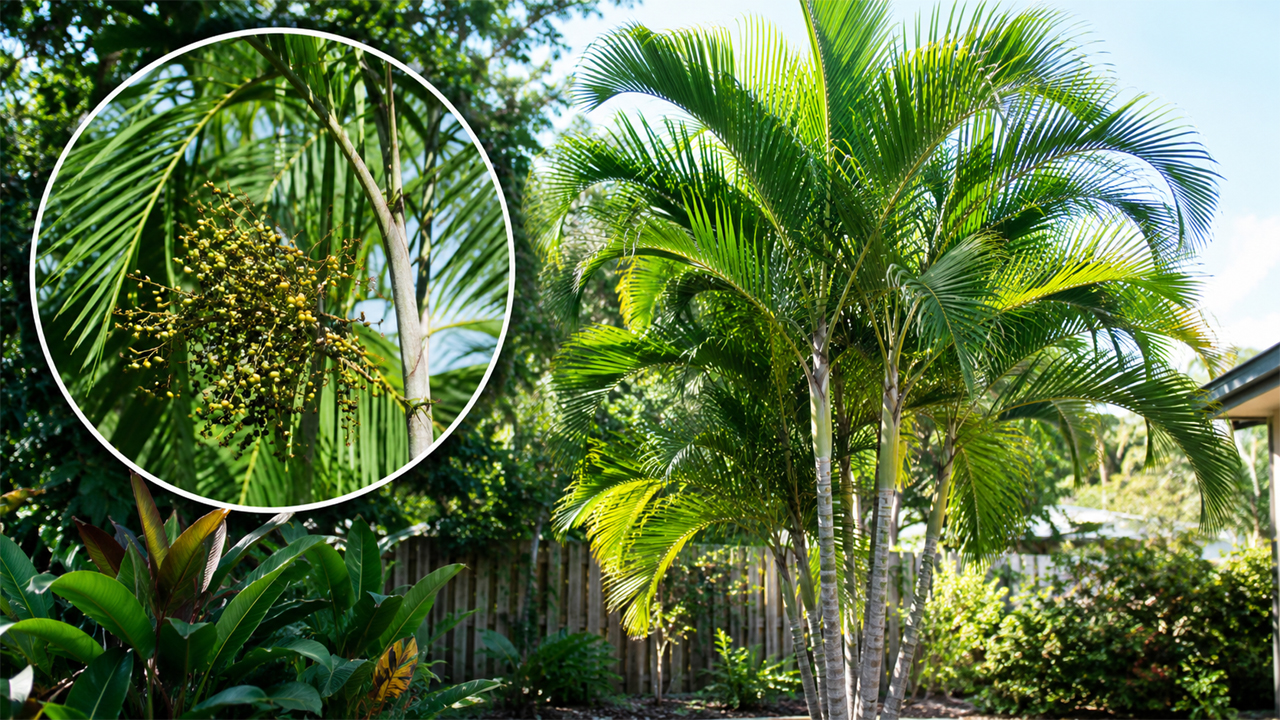
Normanbya palms bring a distinctive tropical character to gardens, landscaped properties, and warm-climate outdoor spaces. Native to northeastern Queensland, Australia, Normanbya normanbyi is a graceful palm admired for its tall growth, elegant foliage, and ornamental appeal. Often associated with tropical rainforest environments, this palm is an excellent choice for gardeners who want to introduce a lush, natural atmosphere into their landscapes.
One of its most attractive features is its upright growth habit, which allows it to create height without occupying as much ground space as many spreading ornamental trees. Its long, arching leaves contribute to a layered appearance, while its slender trunk adds a refined architectural element. Although Normanbya palms are not suitable for every climate, they can thrive when planted in conditions that closely resemble their natural tropical habitat.
Successful cultivation begins with understanding the palm’s environmental needs. Warm temperatures, consistent moisture, suitable soil, and protection from harsh conditions all contribute to healthy development. With careful planning and regular maintenance, Normanbya can become a striking feature in a tropical garden.
Choosing the Right Location for Planting
Selecting the right planting location is one of the most important decisions when growing Normanbya palms. These palms naturally occur in warm, humid environments, where they benefit from relatively stable temperatures and moisture. A garden that provides similar conditions will generally offer the best opportunity for healthy growth.
Choose a location with plenty of bright natural light. Young palms may benefit from partial shade, particularly in areas where afternoon sunlight is intense. As the plant becomes established, it can generally tolerate brighter conditions when adequate soil moisture is available. In hotter regions, protection from severe afternoon heat can help reduce stress, especially during the early stages of growth.
Consider the palm’s eventual height and spread before planting. A young specimen may look small in a nursery container, but its mature dimensions can significantly influence the surrounding landscape. Avoid placing it directly beneath overhead structures, power lines, or trees that will compete heavily for light and water.
Good air circulation is also important. Although Normanbya appreciates humidity, stagnant air combined with persistently wet foliage can encourage fungal problems. A location with gentle airflow, filtered sunlight, and sufficient room for the mature canopy offers a practical balance between comfort and healthy development.
Preparing the Soil for Healthy Root Development
Healthy roots provide the foundation for a strong Normanbya palm. The soil should retain enough moisture to support tropical growth while allowing excess water to drain away. Constantly saturated ground can deprive roots of oxygen and increase the risk of root deterioration.
Before planting, examine the soil structure. Sandy loam and rich, well-drained garden soil are generally suitable starting points. If the soil is heavy clay, improve the planting area’s overall drainage rather than simply filling a deep hole with loose potting material. A sharply different soil mixture inside the hole can sometimes interfere with water movement between the planting area and surrounding ground.
Incorporating mature compost into the wider planting area can improve soil structure and provide organic matter. Avoid adding excessive fertilizer or fresh manure directly around the roots, as concentrated nutrients may damage delicate root tissues.
A slightly acidic to neutral soil environment is a reasonable starting point for cultivation, although local soil conditions should guide any amendments. A soil test can help determine whether adjustments are necessary.
After preparing the site, make the planting hole wide enough to accommodate the root ball comfortably. Plant the palm at approximately the same depth at which it was growing in its original container. Burying the base of the trunk too deeply can contribute to moisture-related problems and interfere with healthy establishment.
Planting Normanbya Palms Correctly
The best time to plant Normanbya palms is generally during warm weather when active growth and regular rainfall can help the roots establish. In tropical regions, the beginning of a reliable rainy period may be suitable, provided the planting site does not become waterlogged.
Water the nursery container before removing the palm. Carefully ease the plant out without pulling on the trunk or damaging the root system. If the roots are tightly circling the container, handle them gently and avoid unnecessary disturbance.
Position the palm in the prepared hole, ensuring that the root ball remains stable. Backfill with the original soil, lightly firming it to eliminate large air pockets without compacting the ground excessively.
Water thoroughly after planting so the soil settles around the roots. Apply an organic mulch around the base to help preserve moisture and regulate soil temperature. Keep the mulch several centimetres away from the trunk to prevent persistent dampness against the plant’s base.
Newly planted palms require particular attention during their first growing season. Check soil moisture regularly, protect the plant from extreme environmental stress, and avoid frequent transplanting. Consistent conditions are more beneficial than repeated adjustments.
Watering Requirements for Consistent Growth
Normanbya palms generally perform best when their roots have access to consistent moisture. However, frequent watering without checking the soil can create problems, especially in poorly drained gardens.
During establishment, water deeply whenever the upper soil begins to dry. The exact frequency depends on rainfall, temperature, soil composition, and container size. Hot, windy weather may increase water requirements, while cool or rainy periods usually reduce them.
Rather than following a rigid daily schedule, observe the planting area. If the soil remains wet for extended periods, reduce watering and investigate drainage. If the leaves begin to lose their usual freshness and the soil is dry, the plant may need additional moisture.
Container-grown specimens usually require closer monitoring because their limited soil volume dries faster than garden soil. Ensure that pots have drainage holes and never allow containers to sit in standing water for long periods.
Rainwater can be useful where available, particularly in areas with hard tap water. Nevertheless, ordinary suitable-quality irrigation water is generally sufficient. The goal is to maintain an even moisture supply without creating waterlogged conditions.
Providing the Right Temperature and Humidity
As a tropical rainforest palm, Normanbya is best suited to climates with warm temperatures and relatively high humidity. It is not an ideal choice for locations that experience prolonged frost or severe winter cold.
In tropical and subtropical gardens, outdoor cultivation may be possible throughout the year when local conditions are appropriate. In cooler climates, growing the palm in a container can provide greater control over its environment. The plant can then be moved into a bright, protected space when temperatures fall.
Avoid exposing young palms to abrupt temperature changes. Sudden transitions from a protected greenhouse to strong direct sunlight can scorch the foliage. Gradually introduce plants to brighter outdoor conditions over several days or weeks.
Indoor cultivation is more challenging because household environments often provide insufficient light, dry air, or limited space for mature growth. If growing a young palm indoors, choose a bright position with good indirect light and adequate ventilation. Occasional humidity support may help, but consistently wet foliage should be avoided.
Fertilizing for Strong Foliage and Balanced Growth
Proper nutrition supports healthy leaves, root development, and steady growth. Normanbya palms benefit from a balanced approach to fertilization rather than excessive feeding.
Use a fertilizer formulated for palms, following the manufacturer’s directions for application rates and timing. A suitable palm fertilizer generally supplies nitrogen, potassium, magnesium, and essential micronutrients. These nutrients contribute to foliage development and help prevent deficiencies that may appear as yellowing or discoloured leaves.
Apply fertilizer during active growth when temperatures and moisture conditions are favourable. Avoid feeding a severely stressed, waterlogged, or recently damaged palm until the underlying problem has been addressed.
Spread granular fertilizer evenly across the root zone rather than piling it against the trunk. Water after application when required by the product instructions. Excessive fertilizer can damage roots, contribute to nutrient imbalances, and potentially affect nearby waterways.
Observe the foliage between applications. Yellowing leaves may indicate nutritional deficiencies, but they can also result from poor drainage, unsuitable light, root damage, or natural leaf ageing. Identify the likely cause before increasing fertilizer use.
Pruning and Routine Maintenance
Normanbya palms generally require limited pruning when grown under suitable conditions. Their natural growth habit is part of their ornamental appeal, so unnecessary trimming should be avoided.
Remove fully dead, damaged, or diseased leaves using clean, sharp pruning tools. Avoid cutting healthy green fronds simply to create a tidier appearance. Green foliage helps the palm produce energy, and removing too much can weaken its overall condition.
Never cut into the growing point at the top of the palm. This central growth area is essential for producing new leaves, and serious damage can be fatal.
Inspect the trunk, foliage, and soil regularly for signs of pests or disease. Discoloured leaves, unusual spotting, distorted new growth, and soft or deteriorating tissue can indicate an environmental or health problem.
Good sanitation, suitable spacing, proper drainage, and balanced watering are often the most effective preventive measures. If a pest infestation develops, identify the organism before choosing a treatment. Avoid applying pesticides unnecessarily, especially where beneficial insects and surrounding wildlife may be affected.
Using Normanbya Palms in Tropical Landscaping
Normanbya palms can serve as attractive focal plants in tropical gardens, courtyard landscapes, and larger residential properties. Their vertical form works well in designs that combine different leaf shapes, textures, and heights.
Planting a Normanbya as a specimen allows its trunk and foliage to stand out. In larger gardens, several palms can create a naturalistic arrangement that suggests the layered appearance of a rainforest. Leave enough distance between specimens to accommodate mature growth and maintain good air circulation.
Companion plants should suit similar growing conditions. Ferns, shade-tolerant tropical foliage plants, and suitable ground covers can complement the palm without overwhelming its root zone. In warmer landscapes, carefully selected broad-leaved plants can create a lush background that highlights the palm’s upright silhouette.
Avoid overcrowding the planting area with fast-growing species that compete aggressively for moisture and nutrients. A thoughtful design should balance visual density with practical maintenance access.
Because mature palms can become tall, consider their position relative to buildings, pathways, swimming pools, and neighbouring properties. Proper placement reduces future conflicts and allows the plant to develop naturally.
Common Growing Problems and How to Solve Them
Yellowing foliage is one of the most common concerns when growing tropical palms. It can result from nutrient deficiencies, irregular watering, poor drainage, insufficient light, or the natural ageing of older leaves. Examine the entire plant and its growing conditions before making changes.
Brown leaf tips may develop when the soil becomes too dry, humidity is low, irrigation water contains excessive salts, or fertilizer has been applied too heavily. Improving watering consistency and reviewing fertilizer practices may help prevent further damage.
Slow growth is not necessarily a sign of poor health. Young palms often need time to establish their root systems, and growth rates vary with temperature, light, and nutrition. If growth remains weak, check the root environment and ensure the plant receives adequate warmth and light.
Persistent wet soil requires particular attention. Reduce unnecessary irrigation and correct drainage problems before root damage becomes severe. If the base of the palm becomes soft or the growing point deteriorates, seek advice from a qualified horticultural professional.
Long-Term Care for a Thriving Normanbya Palm
Long-term success depends on maintaining stable growing conditions as the palm matures. Regular observation, sensible watering, occasional feeding, and selective pruning are usually more effective than constant intervention.
Refresh organic mulch periodically, keeping it away from the trunk. Monitor nearby vegetation to ensure that competing plants do not crowd the palm or restrict airflow. As the canopy expands, reassess the surrounding landscape and remove obstacles that interfere with healthy development.
Container-grown palms may eventually require a larger pot when their roots outgrow the available space. Repot carefully during favourable growing conditions, selecting a sturdy container with adequate drainage. Because Normanbya can become a substantial palm, container cultivation is most practical while the plant is young.
Remember that this species is best suited to warm, humid environments and may not perform well in cold or dry climates. Choosing an appropriate location from the beginning can prevent many future problems.
Enjoying the Lasting Appeal of Normanbya Palms
Growing Normanbya palms successfully involves more than planting an attractive tropical specimen. It requires an understanding of the plant’s natural preferences and a commitment to providing suitable soil, consistent moisture, warmth, and enough room to mature.
With careful planting and ongoing attention, Normanbya can contribute height, texture, and an authentic tropical atmosphere to a well-designed garden. Its graceful foliage and upright structure make it especially appealing to gardeners seeking a distinctive palm for a warm-climate landscape.
The most reliable approach is to work with the palm’s natural requirements rather than forcing it to adapt to unsuitable conditions. By choosing the right location, protecting the roots, managing water carefully, and avoiding unnecessary pruning, gardeners can give Normanbya palms a strong foundation for healthy, long-term growth.
