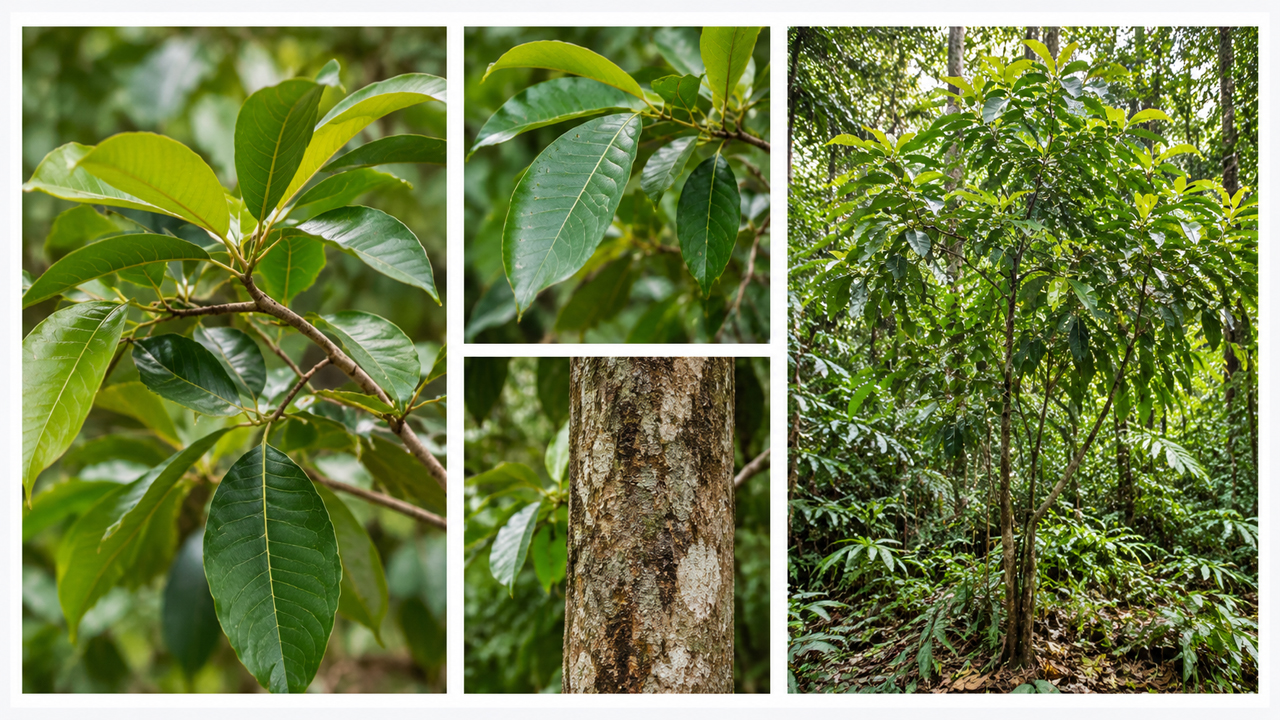
Ticodendron is a rare and fascinating tree genus that attracts the attention of botanists, plant collectors, and gardeners interested in unusual woody plants. Native to parts of Central America, this distinctive tree belongs to the family Ticodendraceae, a small botanical family represented by a single recognized genus. Its unusual evolutionary position and limited natural distribution make it an interesting subject for plant enthusiasts who want to learn more about botanical diversity.
Growing Ticodendron is different from cultivating common ornamental trees because information about its performance in home gardens is limited. It is primarily associated with natural forest habitats, where environmental conditions support its long-term development. Gardeners considering this tree should focus on understanding its native growing conditions, providing suitable soil and moisture, and protecting it from environmental stress. With careful planning, Ticodendron can be an intriguing addition to an appropriate botanical garden or specialist plant collection.
Understanding the Natural Habitat of Ticodendron
Ticodendron is native to Central American regions, particularly areas of Costa Rica and Panama, where it grows in forest environments. Its natural habitat provides valuable clues about the conditions required for successful cultivation. Depending on the location, forest environments may offer consistent moisture, moderate temperatures, sheltered growing conditions, and soils enriched with decomposing organic matter.
These forests help protect young plants from intense sunlight, drying winds, and sudden changes in temperature. The surrounding vegetation also contributes organic material to the soil, supporting a healthy root environment. Understanding these natural conditions is essential before attempting to grow Ticodendron outside its native range.
Gardeners should avoid assuming that this rare tree will adapt easily to every climate. Its requirements may differ significantly from those of familiar landscape trees. Researching the local climate, assessing available growing space, and seeking advice from botanical specialists can help determine whether cultivation is practical.
Choosing the Right Location for Growing Ticodendron
Selecting an appropriate location is one of the most important steps in establishing a healthy Ticodendron tree. A sheltered position that resembles its natural forest environment is generally a sensible starting point. Protection from strong winds, extreme heat, and sudden temperature fluctuations can help reduce stress during establishment.
Bright, filtered light may be preferable to exposing a young plant to intense afternoon sunshine, particularly in hot climates. However, the ideal light level for cultivated specimens is not well documented, so growers should monitor the plant carefully and adjust its position according to its response.
Consider the tree’s potential mature size before planting it in a permanent location. Ticodendron is a woody tree rather than a small decorative shrub, and adequate space is important for healthy root development and natural growth. Avoid planting it too close to buildings, underground utilities, paved surfaces, or other trees that compete heavily for water and nutrients.
For gardeners in regions with cold winters, growing this species outdoors may be unsuitable. A protected botanical collection or a carefully managed growing environment may offer better conditions where the local climate differs substantially from its native habitat.
Preparing the Soil for Healthy Growth
Soil quality plays an important role in the establishment and long-term health of woody plants. For Ticodendron, a well-drained soil containing organic matter is a reasonable starting point, based on its forest habitat. The growing medium should retain sufficient moisture without remaining permanently waterlogged.
Before planting, examine the soil structure and drainage. Heavy clay that stays saturated for long periods can create unfavorable root conditions, while excessively sandy soil may dry too quickly. Incorporating mature leaf mould or well-decomposed organic matter can improve soil structure and moisture retention where necessary.
Avoid adding large quantities of fertilizer or unprocessed organic material directly into the planting hole. Excessive nutrients may encourage unbalanced growth, while poorly decomposed material can interfere with root establishment. Because precise soil pH requirements for cultivated Ticodendron are not widely established, testing the soil and consulting a specialist is preferable to making drastic adjustments.
If the existing soil is unsuitable, a raised planting area or a professionally prepared growing medium may help improve drainage. The goal is to provide a stable root environment that remains consistently moist without becoming saturated.
Planting Ticodendron Correctly
Planting should be planned around the local weather and the condition of the available plant material. In climates where the tree can be grown outdoors, a mild period with reliable moisture and no extreme temperatures may help reduce transplant stress. The best season will depend on local conditions.
Begin by preparing a planting hole wide enough to accommodate the root system without bending or compressing the roots. The depth should allow the root collar to remain at approximately the same level as it was in the original container or nursery soil. Planting too deeply can contribute to poor root health.
Carefully position the plant, refill the hole with suitable soil, and water gently to settle the growing medium around the roots. Avoid compacting the soil excessively, as this can restrict air movement and drainage.
A thin layer of organic mulch can help conserve moisture and moderate soil temperature. Keep the mulch away from direct contact with the trunk to reduce the risk of persistent dampness around the bark. After planting, protect the tree from strong winds and monitor its condition closely during the first growing season.
Ticodendron is not a common commercial nursery tree, so obtaining correctly identified, legally sourced plant material may be difficult. Never collect wild specimens without appropriate authorization, and avoid plants of uncertain origin or questionable identification.
Watering and Moisture Management
Consistent moisture is important when establishing a tree in a new location, but watering must be balanced with effective drainage. Young Ticodendron plants should not be allowed to dry out completely while their root systems are developing. At the same time, constantly saturated soil can damage roots and create conditions favorable to root disease.
Check the moisture level below the soil surface before watering. If the upper layer is beginning to dry but the root zone remains slightly moist, additional water may not be necessary immediately. Sandy soils, warm weather, and exposed planting sites generally require closer monitoring than sheltered locations with moisture-retentive soil.
Water slowly around the root zone so that moisture penetrates deeply rather than running off the surface. During dry periods, inspect the soil more frequently and adjust watering according to rainfall, temperature, and plant condition.
Mulching can reduce evaporation and help maintain more stable soil conditions. However, avoid using a fixed watering schedule without considering the weather and soil type. Since specific irrigation trials for Ticodendron are limited, careful observation is more reliable than assuming it needs exactly the same amount of water as another tree.
Light, Temperature, and Humidity Requirements
Ticodendron’s association with Central American forests suggests that sheltered growing conditions deserve particular attention. Temperature, humidity, wind exposure, and light intensity can all influence the establishment of a tropical or subtropical forest tree.
A location with bright indirect light or filtered sunlight is a cautious option for young plants when their precise light preferences are unknown. If leaves show signs of scorching or excessive drying, consider whether direct sunlight, hot winds, or inadequate moisture may be contributing to the problem.
Temperature tolerance should be treated carefully. The species’ natural distribution does not provide enough information to establish a reliable minimum temperature for every cultivated specimen. Gardeners in areas that experience frost should seek species-specific advice before attempting outdoor cultivation.
Humidity may also influence how well a young plant adapts to its surroundings. In dry environments, wind protection and consistent root moisture can help reduce water stress. Indoor cultivation should not be assumed to be suitable simply because humidity can be increased; the tree’s light requirements, eventual size, and overall growing needs must also be considered.
Fertilizing Ticodendron for Steady Development
Ticodendron should not be overfertilized in an attempt to accelerate its growth. Forest soils can contain organic nutrients released gradually through the decomposition of leaves and other plant material. Reproducing this balanced environment is generally more sensible than applying concentrated fertilizers frequently.
If the tree is growing in suitable soil and producing healthy foliage, additional feeding may be unnecessary. Where soil testing or visible growth problems indicate a nutrient deficiency, a mild, balanced fertilizer may be considered during an appropriate growth period.
Always follow the product label and avoid applying fertilizer to dry, heat-stressed, or recently damaged roots. Excessive fertilizer can contribute to root injury, salt accumulation, and weak or unbalanced growth.
A light application of mature organic compost around the root zone may help maintain soil structure and nutrient availability. Keep all amendments away from the trunk and avoid disturbing the roots unnecessarily. Slow, steady development is a more appropriate objective than forcing rapid growth in a rare tree with incompletely documented cultivation requirements.
Pruning and Routine Maintenance
Ticodendron generally should be allowed to develop its natural growth habit unless pruning is necessary for health or safety. During routine inspections, look for damaged branches, dead wood, broken stems, and signs of stress. Remove problematic growth carefully using clean, sharp tools when pruning is justified.
Avoid heavy pruning simply to control the tree’s size. Repeatedly cutting back a tree that requires substantial growing space can affect its natural form and long-term health. If the planting area is too small for its eventual development, relocating the plant while it is still young or choosing a more suitable species may be a better solution.
Keep the surrounding area free from competing weeds, especially during establishment. Remove weeds by hand where possible, taking care not to damage shallow roots. Maintain a suitable mulch layer and check that water drains properly after heavy rain.
Because Ticodendron is uncommon in cultivation, avoid following pruning instructions designed specifically for unrelated ornamental trees without considering their suitability for this species.
Common Problems and How to Address Them
Yellowing leaves, wilting, weak growth, and leaf damage can indicate environmental stress, although these symptoms are not specific to Ticodendron. Before applying treatments, examine watering practices, drainage, light exposure, temperature changes, and the condition of the root zone.
Wilting despite wet soil may suggest that the roots are struggling in poorly aerated conditions. In contrast, dry soil combined with drooping leaves may indicate insufficient water. Leaf scorching can be associated with excessive sun, dry winds, or irregular moisture.
Inspect the foliage and branches periodically for insects, unusual spots, damaged bark, or other signs of disease. If a problem persists, consult a qualified horticulturist or plant pathology specialist who can assess the symptoms accurately. Avoid applying pesticides or fungicides without identifying a likely cause and confirming that the product is suitable.
Good sanitation, balanced watering, appropriate spacing, and protection from environmental extremes are useful preventive measures. However, specific pests and diseases affecting cultivated Ticodendron are not sufficiently documented to justify assuming that it shares every problem found in common garden trees.
Propagation and Long-Term Growth
Propagating Ticodendron may be challenging because the species is uncommon and reliable horticultural information is limited. Seed availability, seed viability, germination conditions, and propagation methods should be confirmed with botanical institutions or experienced growers before attempting to raise new plants.
If seed propagation is being considered, use legally obtained, correctly identified material and follow guidance specific to the species. Do not assume that ordinary tree-seed treatments, such as soaking, scarification, or extended cold stratification, will be appropriate.
Vegetative propagation may also require specialist knowledge. Techniques that work well for familiar garden trees may not produce reliable results for Ticodendron. Botanical gardens and conservation collections can be valuable sources of practical information about propagation and cultivation.
Long-term care should prioritize stable growing conditions, gradual establishment, and minimal unnecessary disturbance. A rare tree may take time to adapt to a new environment, and the absence of rapid growth does not automatically indicate failure.
Conclusion
Ticodendron is an unusual tree that offers a fascinating opportunity to explore the diversity of Central American forest plants. Successfully growing it requires thoughtful site selection, suitable soil, careful moisture management, protection from environmental stress, and realistic expectations about its cultivation.
Although detailed horticultural information remains limited, understanding its natural habitat provides a useful foundation for responsible care. Gardeners should prioritize correctly identified, legally sourced plants and seek expert guidance whenever species-specific requirements are uncertain. With patience, observation, and an appropriate growing environment, Ticodendron can become a valuable part of a specialist botanical collection while helping cultivate a deeper appreciation for rare trees and plant diversity.
