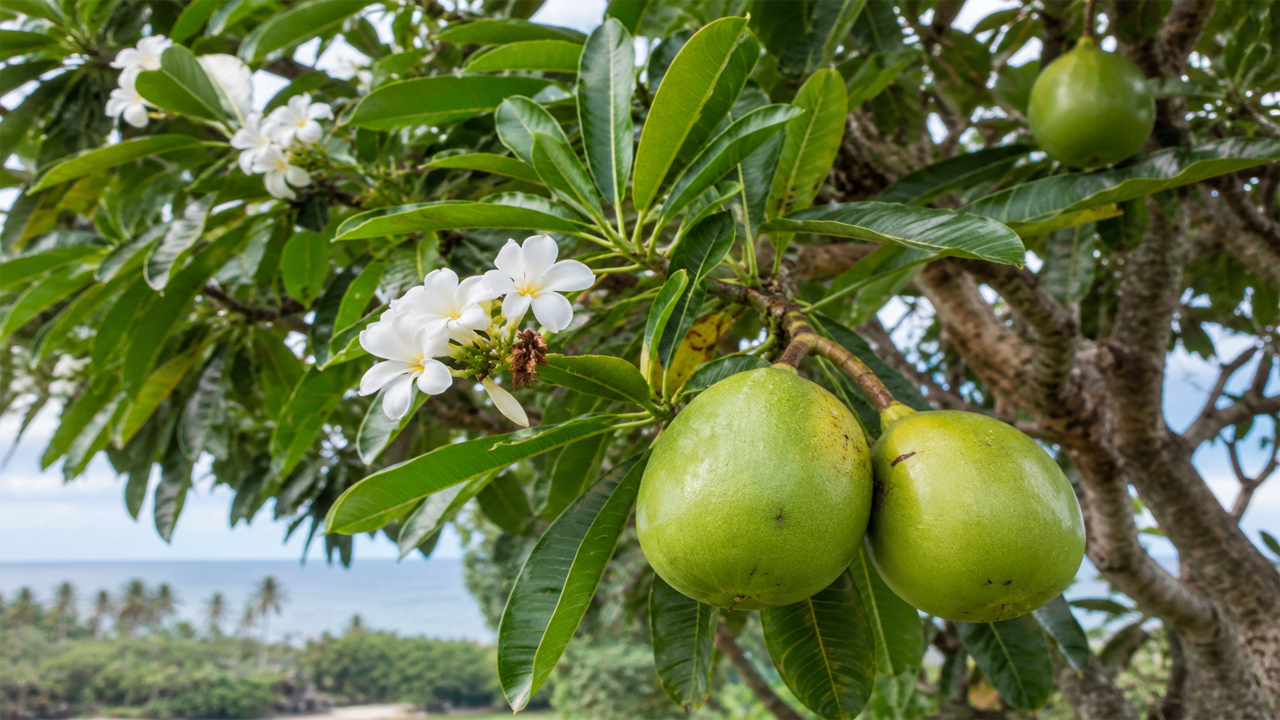
The Cerbera tree is an attractive tropical plant known for its glossy green leaves, delicate white flowers, and distinctive green fruits. Belonging to the Apocynaceae family, Cerbera includes several species, such as Cerbera odollam and Cerbera manghas, which grow naturally in tropical and subtropical regions. These trees are commonly found in coastal environments, wetlands, and areas with warm, humid climates.
Cerbera is valued for its ornamental appearance and ability to grow in suitable tropical landscapes. Its evergreen foliage creates a lush appearance, while its flowers add beauty to gardens and outdoor spaces. However, growing this tree requires careful attention to its environmental needs and an understanding of its toxic properties. With the right location, well-drained soil, and consistent maintenance, Cerbera can develop into a healthy and attractive tropical tree.
Choosing the Right Location for Cerbera
Selecting a suitable location is one of the most important steps in growing Cerbera successfully. The tree thrives in warm conditions and generally performs best in tropical climates where temperatures remain relatively stable throughout the year. It is sensitive to prolonged cold and frost, so gardeners in cooler regions may need to grow it in a protected environment or a large container that can be moved indoors when necessary.
Cerbera generally prefers a location that receives full sunlight or partial shade. A position with several hours of direct sunlight encourages healthy foliage and supports flowering, while some afternoon shade can be beneficial in extremely hot climates.
When planting Cerbera outdoors, consider its mature size and spreading canopy. Give the tree enough room to grow without interfering with buildings, pathways, overhead structures, or neighboring plants. Avoid locations where water collects around the roots after heavy rainfall, as prolonged waterlogging can damage the root system.
Understanding the Best Soil for Cerbera
Healthy soil provides the foundation for strong root development and steady growth. Cerbera grows in different soil conditions depending on the species and local environment, but well-drained soil is generally important for successful cultivation.
A mixture containing garden soil, organic matter, and coarse sand can help create a suitable growing medium. The soil should retain enough moisture to support the roots without becoming excessively wet. Heavy clay soil may require improvement before planting because compacted ground can restrict drainage and reduce the amount of oxygen available to the roots.
Before planting, loosen the soil and remove large stones, weeds, and other obstructions. Incorporating a moderate amount of mature compost can improve soil structure and provide nutrients for young plants.
For container growing, select a sturdy pot with drainage holes and use a high-quality potting mixture suitable for tropical shrubs or trees. Avoid placing gravel at the bottom of the container as a substitute for proper drainage. Instead, ensure that excess water can escape freely through the drainage holes.
How to Plant Cerbera Successfully
Cerbera can be propagated from seeds or suitable nursery-grown plants. Seed propagation may require patience because germination rates and growth speed can vary according to species, seed freshness, and environmental conditions.
If starting from seed, obtain correctly identified planting material from a reputable nursery. Wear suitable protective gloves when handling the seeds and plant material, and keep them away from children and pets because Cerbera seeds are highly poisonous.
Use a clean container filled with a moist, well-draining growing medium. Plant the seed according to the instructions provided for the particular species, avoiding excessive depth or compacting the soil. Keep the medium lightly moist rather than saturated, and place the container in a warm location with suitable light.
Germination may take several weeks or longer, depending on the species and growing conditions. Once a seedling develops a healthy root system and several leaves, it can be transferred carefully into a larger container or an appropriate outdoor planting site.
When planting a nursery-grown tree, dig a hole approximately as deep as the root ball and somewhat wider. Position the plant so that the top of the root ball remains level with the surrounding ground. Backfill with soil, gently firm the surface, and water thoroughly. Avoid burying the stem too deeply, as this can encourage moisture-related problems around the base.
Watering Cerbera for Healthy Growth
Watering requirements depend on the tree’s age, local climate, soil type, and planting location. Young Cerbera plants generally need more consistent moisture while their roots become established. Mature trees may tolerate short periods of reduced watering, depending on the species and conditions.
After planting, water thoroughly to help settle the soil around the roots. During the establishment period, check the soil regularly and water when the upper layer begins to dry. The aim is to maintain moderate moisture without leaving the roots standing in water.
During hot weather, containers may dry out faster than garden soil, so potted plants often require more frequent checks. In cooler weather or during rainy periods, reduce watering as necessary.
Yellowing leaves, soft stems, and persistently wet soil may indicate excessive watering or poor drainage. Conversely, drooping leaves and dry soil can suggest that the plant needs water. Always examine the growing conditions before changing your watering routine.
Providing Sunlight and Suitable Temperatures
Cerbera grows best in warm environments with adequate natural light. Bright conditions help maintain dense foliage and support normal development, although the precise sunlight requirements vary between species and growing locations.
In tropical gardens, a sunny position with some protection from intense afternoon heat may provide a good balance. Young plants can benefit from gradual exposure to stronger sunlight, particularly if they were previously grown under shade cloth in a nursery.
Protect Cerbera from frost, cold winds, and sudden temperature drops. If you grow the tree in a container in a cooler climate, move it to a warm, bright, sheltered location before temperatures become unsuitable.
Indoor cultivation is possible in some circumstances, but mature Cerbera trees can become too large for ordinary living spaces. If growing one indoors, provide the brightest suitable position available and ensure adequate ventilation. Keep it away from frequently used indoor areas, especially where children or pets could come into contact with its poisonous plant parts.
Fertilizing Cerbera for Strong Development
A healthy Cerbera tree can benefit from moderate feeding, particularly when it is young or growing in a container. However, excessive fertilizer is unnecessary and may damage roots or encourage weak, overly rapid growth.
During the active growing season, apply a balanced fertilizer suitable for ornamental tropical trees, following the manufacturer’s instructions. The appropriate frequency depends on the product, soil fertility, and whether the tree is planted in the ground or in a pot.
A small quantity of mature compost around the root zone can help improve soil structure and contribute organic matter. Keep compost and fertilizer away from direct contact with the trunk.
Container-grown plants may need occasional feeding because nutrients can gradually be depleted from the potting mixture. Nevertheless, avoid fertilizing a stressed plant or applying concentrated fertilizer to dry soil.
If the leaves become pale or growth slows, examine watering, drainage, light exposure, and root health before assuming that the tree needs additional nutrients.
Pruning and Maintaining the Tree
Regular maintenance helps Cerbera retain an attractive shape and reduces the risk of damaged branches. Pruning is generally best carried out when the tree is actively growing and can recover readily, although dead or hazardous branches may need attention whenever they are noticed.
Remove dead, broken, or diseased branches using clean, sharp pruning tools. If necessary, lightly shape the canopy to improve its structure and remove branches that cross or rub against one another.
Avoid removing too much healthy foliage at once. Heavy pruning can stress the tree and may interfere with flowering or normal growth. Mature specimens should be assessed carefully before major branches are removed.
Cerbera produces a milky sap that can be irritating, and all parts of the plant, particularly its seeds, contain dangerous cardiac toxins. Wear protective gloves, avoid contact with the sap, and keep pruning debris away from children, pets, livestock, and food preparation areas. Do not burn plant waste or use any part of the tree for home remedies.
For large trees or extensive pruning, consider hiring a qualified professional familiar with toxic ornamental plants.
Common Growing Problems and Their Solutions
Although Cerbera is adapted to tropical conditions, unsuitable growing environments can lead to several problems. Yellow leaves may result from excessive watering, poor drainage, nutrient deficiencies, or other environmental stress. Check the soil moisture and inspect the roots if the problem persists.
Brown leaf edges can develop when plants experience moisture stress, strong drying winds, or unsuitable growing conditions. Adjust watering according to the soil rather than following a rigid daily schedule.
Slow growth may occur when a plant receives insufficient light, grows in compacted soil, or develops root problems. Improving light exposure and drainage can help, provided the changes are appropriate for the particular species.
Inspect the foliage and branches periodically for scale insects, mealybugs, and other common garden pests. If an infestation appears, identify the pest before choosing a treatment. Use suitable horticultural products according to their labels, and avoid unnecessary chemical applications.
Persistent leaf damage, unusual spots, or declining branches may require advice from a local horticultural specialist who can assess the plant and growing conditions directly.
Flowering, Fruit Development, and Seasonal Care
Cerbera trees are appreciated for their attractive flowers, which are generally white and may have yellowish or pinkish details depending on the species. Flowering usually depends on maturity, sunlight, temperature, water availability, and overall plant health.
Once established in a suitable tropical environment, a healthy tree may flower and produce fruit during favorable periods. However, the timing and amount of flowering can vary considerably, and young trees may need several years to mature.
Continue providing appropriate sunlight, moderate watering, and balanced nutrition throughout the active growing season. During periods of heavy rain, check that the soil drains properly. In cooler conditions, reduce watering when plant growth slows.
The fruits and seeds must never be treated as edible produce. Cerbera fruits and seeds can contain potent cardiac toxins, and accidental ingestion can cause life-threatening poisoning. Collect fallen fruits carefully using protective equipment, and dispose of them securely according to local waste guidance.
Important Safety Precautions When Growing Cerbera
Safety should remain a priority throughout the cultivation of Cerbera. Its toxic properties make it unsuitable for many gardens where young children, pets, or livestock could access the plant.
Choose a location that minimizes accidental contact, and use clear precautions when pruning, collecting fallen fruit, or repotting the tree. Wash your hands thoroughly after gardening, even when gloves have been worn, and clean tools after use.
Never eat the seeds, fruits, leaves, or other parts of Cerbera, and do not prepare homemade medicines from the plant. Avoid using its plant material in compost intended for edible crops unless an appropriate local authority or qualified waste specialist confirms a safe disposal method.
If someone may have swallowed any part of Cerbera, seek emergency medical assistance immediately rather than waiting for symptoms. Do not attempt home treatment.
Conclusion
Growing Cerbera can be rewarding for gardeners who appreciate tropical foliage, distinctive flowers, and the natural beauty of ornamental trees. Successful cultivation begins with selecting the right location, providing well-drained soil, maintaining suitable moisture, and protecting the plant from cold conditions.
As the tree develops, moderate fertilization, occasional pruning, and regular inspections help maintain its health and appearance. Equally important is understanding its toxicity and taking sensible precautions around children, pets, and other people.
With careful planning and consistent maintenance, Cerbera can become a striking feature in a suitable tropical landscape. By combining good horticultural practices with responsible handling, gardeners can appreciate this unusual tree while minimizing the risks associated with its poisonous fruits, seeds, and sap.
