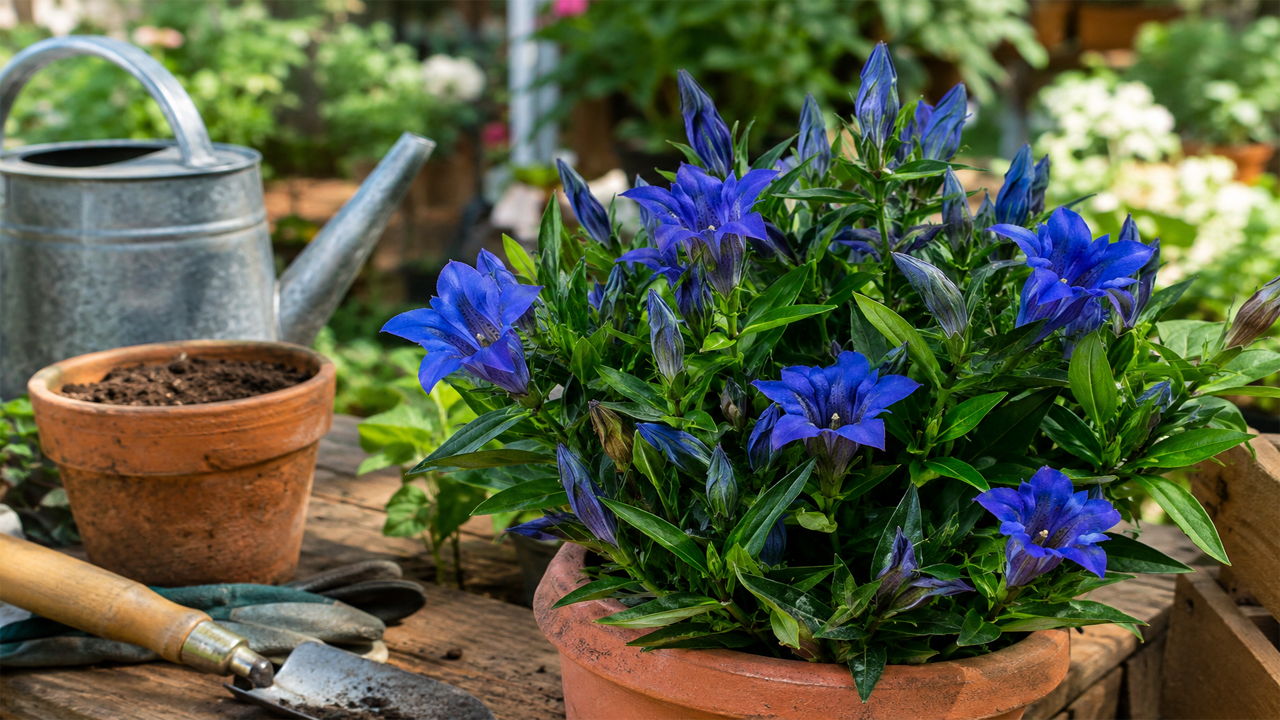
Growing beautiful plants is one of the most rewarding parts of gardening, especially when you choose varieties with distinctive flowers, attractive foliage, and interesting growth habits. Gentianales is an order of flowering plants that includes several well-known botanical families, such as Gentianaceae, Apocynaceae, and Rubiaceae. These families contain an impressive range of plants, from colourful ornamental flowers to tropical shrubs and familiar garden varieties.
Although Gentianales includes plants with different growing requirements, many of them can thrive when provided with suitable soil, appropriate lighting, consistent moisture, and regular care. Understanding their natural growing conditions is the first step towards cultivating healthy plants.
Whether you are an experienced gardener or just beginning to explore unusual flowering plants, learning the right cultivation techniques can help you achieve attractive and long-lasting results.
Understanding Gentianales Plants
Gentianales is a botanical order rather than the name of a single plant species. Its members vary considerably in appearance, size, and environmental preferences. Gentians, for example, are admired for their striking blue, purple, yellow, and white flowers. Other members include gardenias, periwinkles, and coffee plants.
Some species are compact flowering plants suitable for containers, while others develop into larger shrubs or tropical plants. Their natural habitats also differ. Certain gentians grow in cool mountain environments, whereas gardenias and many other members of the order prefer warmer conditions.
This diversity makes identification particularly important before planting. Check the botanical name of your chosen variety and understand its preferred climate, soil type, and sunlight requirements. Selecting a plant suited to your local environment will make ongoing maintenance considerably easier.
Choosing the Right Growing Location
Location plays an important role in the successful cultivation of Gentianales plants. Different species require different amounts of sunlight, so avoid assuming that every member of this botanical order needs identical conditions.
Many flowering varieties perform well in bright locations with partial sunlight. Gentians adapted to cooler climates often appreciate morning sunshine and some protection from intense afternoon heat. Gardenias generally prefer bright, filtered light, while certain tropical species can tolerate more direct sunlight when properly acclimatised.
Before planting, observe how sunlight moves across your garden throughout the day. Choose a position that provides the light requirements of your particular species.
Good air circulation is equally important. Avoid overcrowded planting arrangements because restricted airflow can encourage fungal diseases and increase moisture around the foliage. A suitable location should provide enough space for the plant to develop naturally.
Preparing the Soil for Healthy Growth
Healthy soil provides the foundation for strong roots, attractive foliage, and consistent flowering. Most Gentianales plants benefit from a growing medium that balances moisture retention with effective drainage.
However, soil preferences differ between species. Many gentians prefer slightly acidic soil, although some varieties naturally grow in alkaline or neutral conditions. Gardenias generally favour acidic, organic-rich soil, while periwinkles are more adaptable to different soil conditions.
Before planting, loosen the soil and remove weeds, stones, and unwanted roots. Incorporating mature compost or suitable organic matter can improve soil structure and support beneficial microorganisms.
For container gardening, select a quality potting mixture suited to your plant. Ensure that containers have drainage holes to prevent excess water from collecting around the roots.
Avoid using heavy, compacted soil that remains waterlogged for long periods. Poor drainage can restrict oxygen around the roots and increase the risk of root rot.
Watering and Maintaining Proper Moisture
Watering is one of the most important aspects of caring for Gentianales plants. The correct watering schedule depends on the species, growing environment, temperature, and soil conditions.
Many gentians prefer consistently moist soil, particularly during active growth and flowering. However, moisture-loving does not mean permanently waterlogged. Their roots still require adequate oxygen.
Gardenias also appreciate regular moisture and can become stressed when the soil repeatedly dries out. Other members of Gentianales, including some periwinkles, are comparatively tolerant of short dry periods once established.
A practical approach is to check the soil before watering. If the upper layer feels dry, assess the moisture deeper in the root zone and water according to the plant’s requirements.
Apply water around the base rather than repeatedly wetting the foliage. Watering in the morning allows excess surface moisture to evaporate during the day.
During hot weather, container-grown plants may need more frequent attention. Reduce watering during cooler periods when evaporation and plant growth slow down.
Temperature and Humidity Requirements
Temperature has a significant influence on the growth and flowering performance of Gentianales plants. Some species naturally thrive in cool environments, while others require warm conditions throughout the year.
Many alpine gentians prefer relatively cool growing conditions and may struggle during prolonged periods of intense heat. Tropical members of the order, including gardenias and coffee plants, generally require warmer temperatures and protection from cold conditions.
Humidity requirements also vary. Gardenias often perform well in moderately humid environments, whereas some drought-tolerant species are less demanding.
If you live in a region with particularly hot summers, consider providing afternoon shade for sensitive varieties. Container plants can be moved to a more suitable position when temperatures become extreme.
In colder climates, protect tender plants from frost using appropriate coverings or by moving pots indoors. Always consider the natural climate of the species before making seasonal adjustments.
Fertilising for Strong Growth and Flowering
Regular feeding can support healthy development, especially when plants are growing in containers or nutrient-poor soil.
Use a balanced fertiliser suitable for your particular species during its active growing season. Acid-loving plants, such as gardenias, may benefit from a fertiliser specifically formulated for acid-loving ornamentals.
Apply fertiliser according to the manufacturer’s instructions. Excessive feeding can damage roots, encourage excessive leafy growth, and reduce flowering in some plants.
Organic compost can also provide a gradual supply of nutrients while improving soil structure. However, it should complement rather than replace the specific nutritional requirements of the plant.
Avoid fertilising dormant or severely stressed plants. Allow them to recover before introducing additional nutrients.
Pruning and General Plant Maintenance
Pruning helps maintain an attractive shape, encourages healthy development, and removes damaged growth. However, the correct pruning method depends on the species.
Remove dead, diseased, and damaged stems whenever necessary using clean, sharp gardening tools. For flowering varieties, remove faded flowers when appropriate to improve appearance and encourage further flowering.
Gardenias generally benefit from light pruning after flowering, while some gentians require very little pruning beyond removing damaged foliage and spent flower stems.
Avoid cutting plants back aggressively without understanding their growth habits. Excessive pruning can remove developing flower buds or weaken slow-growing varieties.
Regularly inspect leaves, stems, and the soil surface. Early maintenance helps prevent small problems from becoming serious issues.
Preventing Pests and Common Plant Diseases
Like other ornamental plants, Gentianales species can occasionally experience pest infestations and diseases.
Common garden pests include aphids, spider mites, whiteflies, and scale insects. These pests feed on plant tissues or sap, potentially causing yellowing leaves, distorted growth, and reduced flowering.
Fungal problems can also develop when plants receive excessive moisture or grow in poorly ventilated conditions. Root rot is particularly common when soil remains saturated.
Inspect your plants regularly, especially the undersides of leaves and young shoots. Remove heavily affected plant material and improve growing conditions when necessary.
For minor infestations, washing affected foliage with water or using an appropriate insecticidal soap can help. Always follow product instructions and test treatments on a small area first.
Prevention remains the most effective strategy. Proper spacing, suitable watering, healthy soil, and good air circulation all contribute to stronger plants.
Growing Gentianales in Containers
Container gardening is an excellent option for people with limited outdoor space or unsuitable garden soil. Many compact Gentianales varieties can grow successfully in pots when their environmental requirements are met.
Choose a container large enough to accommodate the root system, with sufficient drainage holes. Avoid placing small plants in excessively large containers because unused soil can remain wet for longer periods.
Use a suitable potting mixture and position the container according to the plant’s sunlight preferences. Check moisture more frequently than you would for garden-grown plants because containers can dry out quickly.
Repot when roots become crowded or begin emerging from drainage holes. Choose a slightly larger container and avoid disturbing the root system unnecessarily.
Conclusion
Cultivating Gentianales plants can be a rewarding gardening experience when you understand the diversity within this botanical order. From colourful gentians to fragrant gardenias and adaptable periwinkles, these plants offer numerous possibilities for gardens, patios, and indoor growing spaces.
Successful cultivation depends on choosing the right species, preparing suitable soil, providing appropriate sunlight, maintaining balanced moisture, and protecting plants from pests and diseases.
Most importantly, remember that Gentianales is a diverse botanical group, so individual species may require different growing conditions. Observing your plants and adjusting their care according to their natural preferences will help them remain healthy and attractive.
With patience, consistent attention, and the right gardening techniques, you can enjoy the beauty and diversity of Gentianales plants throughout their growing seasons.
