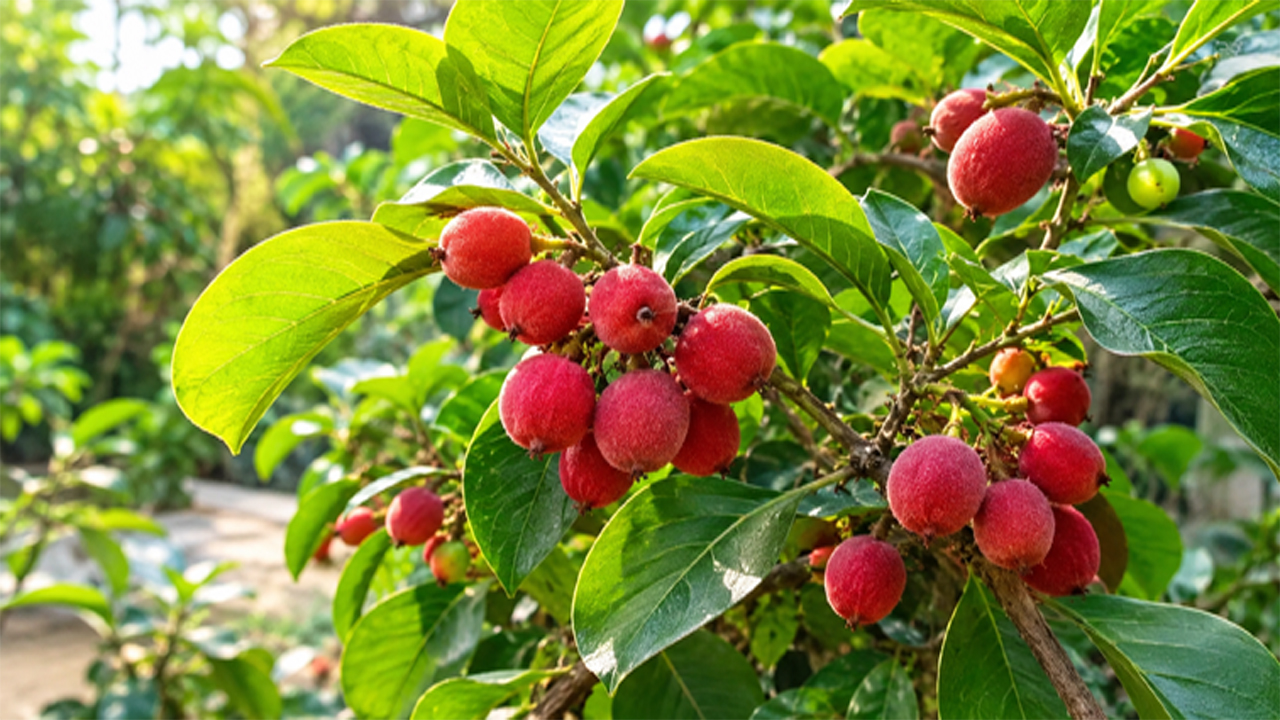
Huerteales is a relatively small order of flowering plants that includes several interesting groups of woody trees and shrubs. These plants are primarily associated with tropical and subtropical environments, where warm temperatures, seasonal rainfall, and suitable soil conditions support their natural development. Although Huerteales is not a single plant species, understanding its botanical characteristics can help gardeners, horticulture enthusiasts, and plant collectors appreciate and cultivate its members.
The order includes families such as Dipentodontaceae, Gerrardinaceae, Petenaeaceae, and Tapisciaceae. Different species have their own growth habits, leaf structures, flowering characteristics, and environmental requirements. Some develop into small trees, while others grow as shrubs or larger woody plants.
Because Huerteales contains different botanical groups, there is no single cultivation method suitable for every member. However, providing appropriate light, moisture, soil, nutrients, and temperature conditions can help many species establish healthy growth.
Choosing the Right Growing Environment
Selecting a suitable growing environment is one of the most important steps when cultivating plants belonging to Huerteales. Many members of this order are associated with warm climates and naturally grow in environments where temperatures remain relatively stable throughout the year.
A location with moderate warmth, good air circulation, and suitable sunlight can support healthy development. Young plants generally benefit from some protection against intense afternoon sunlight, particularly when they are grown in warmer regions. Mature plants may tolerate greater exposure depending on their natural habitat.
Gardeners should observe the requirements of the particular species before selecting a permanent planting location. Plants originating from shaded forest environments may require filtered sunlight, whereas species adapted to more open habitats may perform better with brighter conditions.
Avoid placing young plants in locations exposed to strong winds, sudden temperature changes, or prolonged periods of extreme heat. A protected growing area can help reduce environmental stress and encourage steady development.
Preparing the Soil for Healthy Growth
Soil quality plays an important role in the successful cultivation of Huerteales plants. Most woody plants benefit from a growing medium that provides sufficient nutrients while allowing excess water to drain away efficiently.
A well-structured soil containing organic matter can support root development and improve moisture retention without creating waterlogged conditions. Garden soil can be improved with mature compost and other suitable organic materials to create a balanced growing environment.
Heavy clay soil may require improvement because it can retain excessive moisture and restrict airflow around the roots. Adding appropriate organic matter and improving drainage can make these conditions more suitable for cultivation.
For container growing, use a quality potting mixture with good drainage. Choose containers with sufficient drainage holes so that excess water can escape easily.
Before planting, loosen compacted soil and remove unwanted weeds, stones, and debris. Preparing the growing area properly gives young roots more space to establish themselves and absorb essential nutrients.
Planting and Establishing Young Huerteales Plants
Successful planting begins with selecting healthy nursery plants or suitable propagation material from a correctly identified species. Since different members of Huerteales may have different propagation requirements, gardeners should understand the characteristics of their chosen plant before beginning.
When planting a young specimen, prepare a hole slightly wider than its root ball. Position the plant at approximately the same depth at which it was previously growing. Cover the roots with soil and gently firm the surrounding area to remove large air pockets.
Water the plant after planting to help the soil settle around the roots. Avoid burying the stem too deeply because excessive moisture around the base can encourage rot.
During the establishment period, protect young plants from extreme weather and unnecessary disturbance. Regular observation is particularly important during the first few weeks because newly planted specimens may be sensitive to changes in moisture and sunlight.
Allow enough space between plants to accommodate their mature size and natural growth pattern.
Providing the Right Amount of Sunlight
Light requirements vary among Huerteales species, making it important to consider the natural environment of each plant. Some species may develop successfully under partial shade, while others benefit from brighter growing conditions.
For young plants, filtered sunlight can provide a gentle introduction to outdoor conditions. Areas receiving morning sunlight and some afternoon protection can be suitable starting points for species that prefer moderate light.
Insufficient sunlight may result in weak stems, slower development, and reduced foliage growth. On the other hand, excessive direct sunlight can cause leaf scorching, especially when plants are not accustomed to intense exposure.
Observe the leaves regularly to identify possible light-related problems. Pale foliage, scorched edges, or unusual leaf discoloration may indicate that the growing conditions need adjustment.
When growing plants indoors or in a greenhouse, provide sufficient natural light and avoid placing them in completely dark corners.
Watering Techniques for Consistent Plant Development
Proper watering is essential for maintaining healthy roots and supporting the development of Huerteales plants. However, watering requirements depend on species, soil composition, plant maturity, temperature, and seasonal conditions.
During active growth, many tropical woody plants benefit from consistent soil moisture. The growing medium should remain appropriately moist without becoming continuously saturated.
Before watering, check the upper layer of the soil. If it has started to dry, additional water may be necessary. If the soil is still wet, allow it to drain and dry slightly before watering again.
Newly planted specimens generally require closer monitoring because their root systems may not yet be established. Mature plants may tolerate longer intervals between watering, depending on their natural growing conditions.
During cooler periods or slower growth, reduce watering when the plant’s moisture requirements decrease. Avoid following a rigid watering schedule without considering actual soil conditions.
Fertilizing Huerteales Plants for Strong Growth
Nutrients support the development of healthy leaves, stems, roots, and reproductive structures. Although fertile soil can provide many essential elements, additional feeding may benefit cultivated plants when nutrients become limited.
A balanced, slow-release fertilizer can be suitable for many established woody plants. Apply it according to the manufacturer’s instructions and the specific requirements of the species being cultivated.
Organic compost can also improve soil structure while gradually supplying nutrients. Adding a moderate quantity around the root zone can support long-term soil health.
Avoid placing concentrated fertilizer directly against stems or roots. Excessive feeding can damage root systems, encourage unbalanced growth, and create unnecessary nutrient accumulation.
Young plants generally require careful feeding because their developing roots can be sensitive to high fertilizer concentrations. Healthy soil management and appropriate watering are often more beneficial than frequent heavy applications.
Pruning and Maintaining Plant Structure
Pruning helps maintain an attractive shape, remove damaged growth, and improve the overall structure of cultivated Huerteales plants. However, the appropriate pruning method depends on whether the selected species naturally develops as a tree or shrub.
Remove dead, diseased, or broken branches using clean and sharp pruning tools. Light maintenance pruning can also help control unwanted growth and improve airflow through dense foliage.
Avoid removing too much healthy growth at once, particularly from young or recently transplanted plants. Excessive pruning can create additional stress and slow establishment.
The best pruning period depends on the flowering and growth cycle of the individual species. Understanding these characteristics can help prevent the accidental removal of developing flowers or reproductive structures.
Regular observation is usually more effective than unnecessary frequent pruning.
Managing Pests and Common Plant Problems
Like other cultivated woody plants, members of Huerteales may experience problems caused by insects, fungal diseases, unsuitable growing conditions, or environmental stress.
Common garden pests such as aphids, scale insects, and spider mites may affect foliage and young stems. These pests can weaken plants by feeding on plant tissues and reducing their overall vigor.
Inspect leaves, stems, and the undersides of foliage regularly. Early identification makes pest management easier and reduces the possibility of serious damage.
Poor drainage and excessive watering can encourage root problems, while prolonged drought may cause wilting and leaf drop. Maintaining appropriate moisture levels and providing good air circulation can help reduce these risks.
Remove heavily damaged plant material when necessary and maintain clean growing conditions. Use suitable pest-control treatments only when required, following the instructions for the specific plant and problem.
Propagating Huerteales Plants Successfully
Propagation allows gardeners to produce additional plants and preserve desirable characteristics. However, the most effective method varies considerably between Huerteales species.
Depending on the species, propagation may be possible through seeds or vegetative techniques such as cuttings. Seed propagation generally requires mature, healthy seeds and suitable environmental conditions for germination.
Some seeds may have specific dormancy requirements, meaning that they need particular preparation before successful germination can occur. Freshness, moisture, temperature, and the condition of the seed can all influence results.
Vegetative propagation may be suitable for certain species when healthy plant material is available. Cuttings generally require an appropriate growing medium, controlled moisture, and suitable environmental conditions to encourage root development.
Because propagation information is not identical across the order, species-specific guidance should always be followed.
Seasonal Care and Long-Term Maintenance
Seasonal changes influence plant growth, water requirements, and nutrient availability. Gardeners should adjust their care routines according to local weather conditions and the natural growth cycle of the selected species.
During warmer periods, monitor soil moisture more frequently because higher temperatures can increase evaporation. Mulching around the root zone can help conserve moisture and reduce unwanted weed growth.
During cooler or wetter periods, pay particular attention to drainage and avoid excessive watering. Protect sensitive young specimens from unusually low temperatures and strong winds.
Long-term maintenance should focus on healthy soil, appropriate sunlight, balanced nutrition, and regular inspection. Mature plants may require less frequent intervention once their root systems are established.
Conclusion
Growing Huerteales plants successfully requires an understanding of their botanical diversity and individual environmental requirements. Since this order includes different families of woody flowering plants, cultivation techniques should be adapted to the particular species rather than applied universally.
By selecting a suitable growing location, preparing well-drained soil, maintaining appropriate moisture, providing balanced nutrients, and monitoring plant health, gardeners can create favorable conditions for long-term development.
With consistent care and species-specific cultivation knowledge, Huerteales plants can become valuable additions to botanical collections, tropical gardens, and horticultural landscapes.