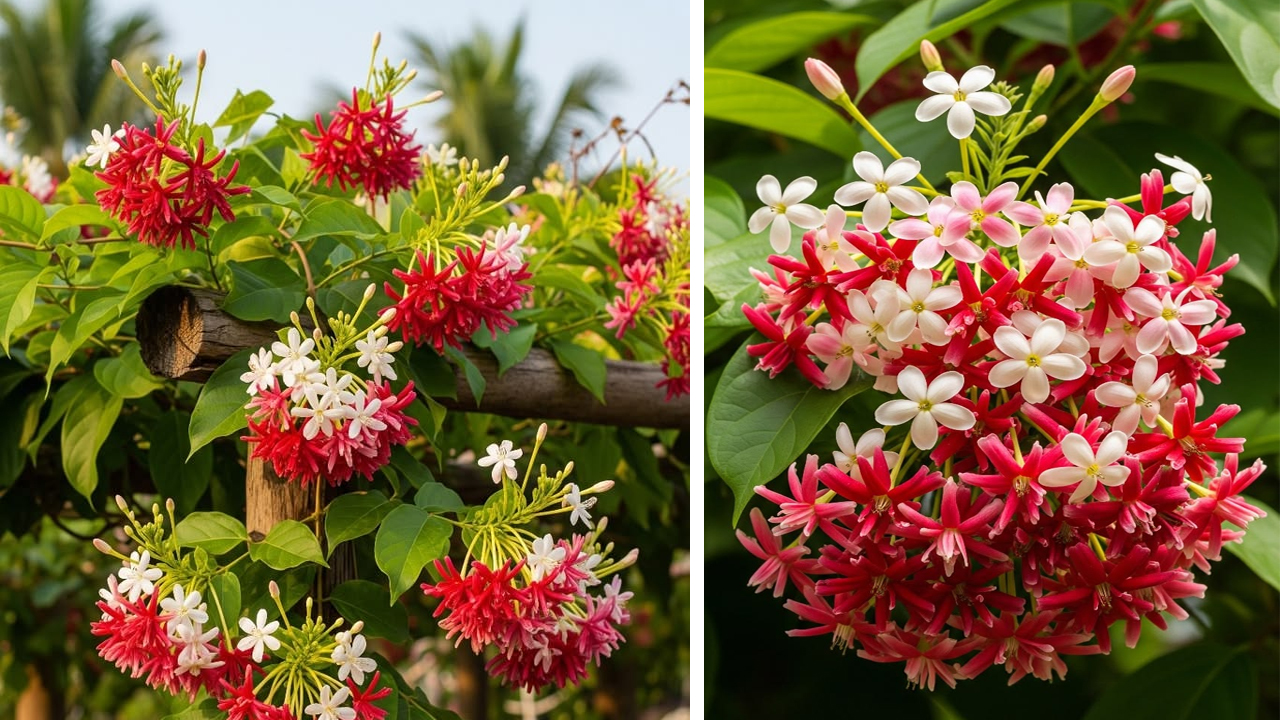
Berberidopsidales is a distinctive order of flowering plants that includes some unusual evergreen species native primarily to the Southern Hemisphere. These plants are particularly interesting because of their unique botanical characteristics, attractive foliage, and adaptability to specific woodland environments. Among the best-known representatives are species of Berberidopsis, including Berberidopsis corallina, commonly known as the coral plant, and Aextoxicon punctatum, an evergreen tree native to Chile.
Growing plants belonging to this order requires an understanding of their natural habitats and environmental preferences. Unlike many common garden plants, several Berberidopsidales species prefer sheltered locations, consistent moisture, fertile soil, and protection from extreme weather. Providing suitable growing conditions is essential for encouraging healthy roots, strong stems, and long-term development.
Selecting the Right Location for Healthy Growth
Choosing an appropriate planting location is one of the most important steps in cultivating Berberidopsidales plants. Many species naturally grow in forest environments where surrounding vegetation provides protection from intense sunlight and drying winds. Recreating similar conditions in a garden can significantly improve their growth.
A partially shaded location is generally suitable for Berberidopsis corallina. Areas receiving gentle morning sunlight and afternoon shade can provide a favorable environment. Deep shade may also be tolerated, although flowering and overall development can vary depending on light availability.
Gardeners should select a sheltered position away from strong winds, particularly during colder months. Exposure to harsh winds can damage delicate stems, dry out foliage, and increase moisture loss. Planting near a protective wall, established shrubs, or suitable garden structures can help create a more stable growing environment.
Preparing the Ideal Soil for Berberidopsidales
Soil quality plays a major role in the successful cultivation of these plants. Berberidopsis corallina performs particularly well in fertile, humus-rich soil that retains moisture without becoming waterlogged. Slightly acidic soil is generally preferred, although some plants can tolerate neutral conditions.
Before planting, loosen the soil to improve aeration and root development. Incorporating mature compost, leaf mould, or other well-decomposed organic matter can improve soil structure and provide essential nutrients. A mixture that combines moisture retention with good drainage is particularly beneficial.
Avoid planting in locations where water regularly collects around the roots. Poor drainage can encourage root deterioration and fungal problems. If the garden soil contains heavy clay, improve its structure with suitable organic material and other drainage-enhancing amendments.
For container cultivation, select a high-quality growing medium with sufficient organic matter and drainage. Containers should always have drainage holes to prevent excess water from accumulating around the root system.
Planting Techniques for Strong Root Development
The best planting approach depends on the species and its natural growth habit. Berberidopsis corallina is a climbing evergreen shrub that benefits from a suitable support structure. A wall-mounted trellis, sturdy fence, or garden framework can provide the necessary support as its stems develop.
Prepare a planting hole slightly wider than the root ball. Position the plant at approximately the same depth at which it was growing in its original container. Gently refill the hole with prepared soil, avoiding excessive pressure around the roots.
Water thoroughly after planting to settle the soil and eliminate large air pockets. Apply a layer of organic mulch around the base while keeping it away from direct contact with the main stem.
For larger tree-form species such as Aextoxicon punctatum, consider their eventual size before selecting a planting location. These trees require considerably more space than climbing Berberidopsis species and are better suited to appropriate outdoor landscapes.
Watering Requirements and Moisture Management
Consistent soil moisture is essential for maintaining healthy Berberidopsidales plants. Many representatives are associated with moist forest habitats, making them less suitable for locations where the soil regularly becomes extremely dry.
Water newly planted specimens regularly while their root systems become established. During warmer weather, check the soil more frequently and provide additional water whenever the upper growing medium begins to dry.
Established plants may require less frequent watering, depending on rainfall, soil composition, and temperature. However, prolonged drought should be avoided because it can cause leaf damage, reduced growth, and general plant stress.
Water the soil around the root zone rather than repeatedly soaking the foliage. This approach helps maintain adequate moisture while reducing unnecessary leaf wetness. During rainy periods, reduce supplemental watering and ensure that excess water can drain away naturally.
Sunlight and Temperature Requirements
Temperature and light conditions strongly influence plant development. Berberidopsis corallina generally prefers cool to mild growing conditions and benefits from protection against intense direct sunlight. Excessive heat can increase moisture loss and place unnecessary stress on the plant.
In warmer climates, growing this species in a shaded or partially shaded position is particularly important. A sheltered container-growing arrangement may provide greater control over temperature and moisture conditions.
Protection from frost and cold winds is also valuable, especially for young plants. Although established specimens can tolerate some cool weather under suitable conditions, prolonged freezing temperatures may damage stems and foliage.
Aextoxicon punctatum has different requirements because it develops into an evergreen tree adapted to the temperate forests of Chile. Its environmental needs should be considered separately rather than assuming that every member of Berberidopsidales requires identical growing conditions.
Fertilizing for Healthy Plant Development
Providing appropriate nutrients supports healthy foliage, root development, and steady growth. These plants generally benefit from fertile soil containing sufficient organic matter, so heavy feeding is not always necessary.
Apply a moderate quantity of balanced, slow-release fertilizer during the active growing season when additional nutrients are required. Follow the manufacturer’s recommended application rate to avoid excessive feeding.
Organic compost can also be applied around the root zone as a gentle source of nutrients. A thin layer of leaf mould or well-decomposed compost can improve soil structure while supporting beneficial soil organisms.
Avoid applying excessive nitrogen fertilizer. Too much nitrogen may encourage rapid leafy growth at the expense of balanced development. Monitor the appearance of the foliage and adjust feeding practices according to the plant’s condition.
Pruning and Supporting Healthy Growth
Regular heavy pruning is generally unnecessary for Berberidopsis corallina. Its natural climbing habit can be maintained by guiding developing stems along a suitable support structure.
Remove dead, damaged, or diseased branches when necessary. Light pruning can also help control unwanted growth and maintain an attractive shape. The most suitable time for corrective pruning is generally spring, after the risk of severe frost has passed.
Avoid cutting the plant back aggressively because hard pruning can affect recovery and future growth. Use clean, sharp pruning tools to produce neat cuts and minimize unnecessary damage.
For tree-form representatives, pruning requirements will depend on their mature growth habit. Remove damaged branches carefully and avoid excessive removal of healthy growth.
Propagation Methods for New Plants
Berberidopsidales plants can be propagated through different methods depending on the species. Berberidopsis corallina can be raised from seeds, softwood cuttings, or layering.
Softwood cuttings are a useful method for producing new plants with characteristics similar to the parent specimen. Select healthy, non-flowering shoots and place suitable cuttings in a moist, well-draining propagation medium. Maintaining humidity and avoiding excessive direct sunlight can encourage root development.
Layering is another practical technique. Gently position a suitable flexible stem against the soil and secure a section in contact with the growing medium. Once roots develop, the rooted section can be separated from the parent plant.
Seed propagation is also possible, although germination time and success can vary. Fresh, viable seeds and appropriate moisture conditions can improve the chances of successful establishment.
Common Growing Problems and Their Prevention
Several environmental problems can affect Berberidopsidales plants. Yellowing leaves may indicate watering difficulties, poor drainage, nutrient deficiencies, or unsuitable growing conditions. Checking the soil before making adjustments is important because excessive watering and insufficient watering can sometimes produce similar symptoms.
Leaf scorching may occur when plants receive excessive direct sunlight or experience prolonged heat. Moving container-grown specimens to a more sheltered location can help reduce this problem.
Root deterioration is another concern, particularly in poorly drained soil. Ensure that planting areas and containers allow excess water to escape. Avoid repeatedly watering plants when the growing medium is already saturated.
Although Berberidopsis corallina is generally considered relatively resistant to serious pest and disease problems, regular inspection remains beneficial. Remove damaged foliage when necessary and maintain good air circulation around the plant.
Seasonal Maintenance and Long-Term Care
Seasonal maintenance helps maintain healthy growth throughout the year. During spring, inspect plants for winter damage, remove dead stems, refresh organic mulch, and assess whether additional nutrients are required.
Summer care should focus on maintaining consistent soil moisture and protecting plants from excessive sunlight. Watering may need to become more frequent during particularly hot or dry periods.
During autumn, remove accumulated damaged plant material and prepare sensitive specimens for colder weather. Applying organic mulch around the root zone can help stabilize soil moisture and provide additional protection.
In winter, reduce watering according to rainfall and plant activity. Container-grown plants may benefit from a sheltered position during particularly cold conditions.
Conclusion
Cultivating Berberidopsidales plants successfully requires attention to their individual growing requirements, particularly soil quality, moisture management, sunlight exposure, and protection from harsh environmental conditions. Berberidopsis corallina is an especially attractive choice for sheltered gardens because of its evergreen foliage and distinctive hanging flowers.
By providing fertile, well-drained soil, suitable support structures, consistent moisture, and appropriate seasonal care, gardeners can encourage healthy and sustainable plant development. Understanding the differences between climbing and tree-form representatives is equally important for choosing the right cultivation approach. With patience and suitable growing conditions, these unusual flowering plants can become valuable additions to specialist gardens and carefully designed landscapes.