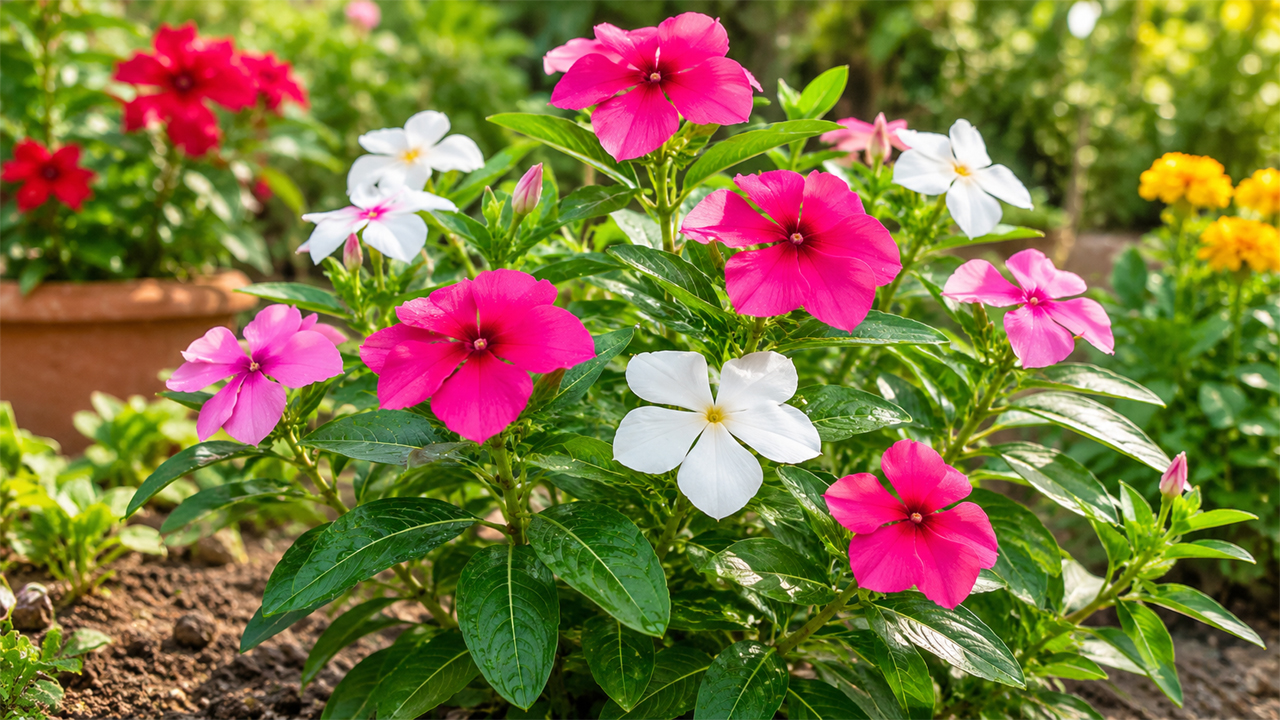
Pentapetalae is a major group within the flowering plants, commonly associated with eudicots and characterized by floral structures that often contain five petals or floral parts arranged in multiples of five. This diverse group includes numerous familiar garden plants, flowering shrubs, trees, and herbaceous species. Its members display a remarkable variety of growth habits, flower colors, leaf shapes, and environmental requirements.
Growing Pentapetalae plants successfully begins with understanding that they do not all share identical cultivation needs. Some species thrive in warm, sunny environments, while others prefer partial shade, cooler conditions, or consistently moist soil. Learning about the particular species you intend to grow will help you provide the right conditions for healthy roots, strong foliage, and attractive flowers.
Choosing the Right Pentapetalae Plants
Selecting suitable plants is an important first step toward creating a healthy and productive garden. Pentapetalae includes many popular ornamental and useful plants, such as roses, hibiscus, geraniums, tomatoes, and numerous flowering trees and shrubs. Each offers different characteristics and can serve a particular purpose in the landscape.
Before purchasing plants or seeds, consider your local climate, available growing space, sunlight exposure, and soil conditions. Choose species that naturally perform well in your region rather than trying to maintain plants in environments that require constant adjustments.
Check plants carefully before bringing them home. Healthy specimens generally have firm stems, naturally colored leaves, and well-developed roots. Avoid plants showing extensive yellowing, damaged stems, visible pests, or signs of root deterioration.
Preparing the Soil for Healthy Growth
Good soil preparation provides the foundation for successful cultivation. Most garden plants within Pentapetalae benefit from fertile, well-draining soil that provides sufficient moisture while allowing oxygen to reach the roots. However, individual species may have different preferences regarding soil acidity, texture, and nutrient availability.
Begin by removing weeds, stones, and old plant debris from the growing area. Loosen the soil to improve its structure and incorporate mature compost or well-rotted organic matter. These materials help improve soil fertility, support beneficial microorganisms, and encourage healthy root development.
Heavy clay soil may require improvements to drainage, while sandy soil often benefits from additional organic matter to retain moisture and nutrients. Avoid excessive amendments or unnecessary fertilizer applications. Testing the soil before planting can help identify nutrient deficiencies and determine whether adjustments are needed.
Selecting the Best Location and Sunlight
Sunlight requirements vary considerably among Pentapetalae species. Many flowering plants grow best with several hours of direct sunlight each day, while others perform better with partial shade, particularly in regions experiencing intense summer heat.
Observe your garden throughout the day before choosing a permanent planting location. Areas receiving morning sunlight and some afternoon protection can be suitable for plants that struggle with excessive heat. Sun-loving species generally benefit from open locations with good air circulation.
Indoor cultivation also requires appropriate lighting. Place container-grown plants near bright windows when their requirements permit, and rotate pots occasionally to encourage balanced growth. Avoid placing sensitive plants directly beside heating equipment or in locations exposed to sudden temperature changes.
Planting Pentapetalae Plants Properly
Correct planting techniques help plants establish themselves quickly and reduce unnecessary stress. The best planting season depends on the species and local climate. Many outdoor plants establish successfully during mild weather, when temperatures are comfortable and soil moisture is easier to maintain.
Dig a planting hole wide enough to accommodate the root system without bending or compressing the roots. Position the plant at approximately the same depth at which it was previously growing. Cover the roots with prepared soil and gently firm the surrounding area to remove large air pockets.
Water thoroughly after planting to settle the soil around the roots. Leave sufficient space between plants to accommodate their mature size. Proper spacing improves air circulation, reduces competition, and makes routine maintenance easier.
Watering Requirements and Moisture Management
Water is essential for nutrient absorption, photosynthesis, and healthy plant development. Nevertheless, watering requirements differ between species, growing environments, and seasons. Some Pentapetalae plants prefer consistently moist soil, while others tolerate short periods of dryness once established.
Check the soil before watering rather than following a rigid daily schedule. If the upper soil layer feels dry and the particular plant requires additional moisture, water deeply around the root zone. Allow excess water to drain freely, especially when growing plants in containers.
Avoid frequent shallow watering because it can encourage roots to remain close to the soil surface. Watering early in the morning is generally beneficial because plants can absorb moisture before daytime temperatures rise. During cooler weather, reduce watering when growth slows and evaporation decreases.
Fertilizing for Strong Growth and Flowering
Healthy plants need essential nutrients to develop roots, stems, leaves, and flowers. Nitrogen supports leafy growth, phosphorus contributes to root development and reproductive processes, and potassium helps regulate several important physiological functions.
Start with nutrient-rich soil and apply fertilizer according to the requirements of the selected species. A balanced, slow-release fertilizer may be suitable for many ornamental plants, while flowering and fruit-producing species can have more specialized nutritional needs.
Follow product instructions carefully and avoid excessive applications. Too much fertilizer can damage roots, create nutrient imbalances, and encourage excessive foliage at the expense of flowering. Compost and other organic materials can also help maintain soil quality over time.
Pruning and Regular Plant Maintenance
Regular maintenance keeps Pentapetalae plants attractive, productive, and healthy. Pruning removes dead, damaged, or diseased growth and can encourage better branching in suitable species. However, the correct pruning method and timing depend on the plant’s natural growth pattern and flowering cycle.
Use clean, sharp pruning tools to make precise cuts. Remove dead flowers when appropriate to improve appearance and, in some species, encourage additional flowering. Avoid removing too much healthy growth at once because excessive pruning can weaken plants and delay recovery.
Inspect leaves, stems, and growing tips regularly. Remove weeds around the root zone and replenish organic mulch when necessary. A suitable mulch layer helps conserve soil moisture, moderate temperature fluctuations, and reduce weed competition.
Managing Pests and Plant Diseases
Like other garden plants, Pentapetalae species can experience problems caused by insects, fungi, bacteria, and unfavorable growing conditions. Common pests include aphids, spider mites, whiteflies, and scale insects. Some plants may also develop leaf spots, powdery mildew, or root rot.
Examine plants frequently, paying particular attention to the undersides of leaves and newly developing shoots. Early detection makes pest and disease management easier. Remove heavily affected plant material when appropriate and improve air circulation by avoiding overcrowding.
Use suitable control methods based on the identified problem. Insecticidal soap or other targeted treatments may help manage certain pests when applied according to instructions. Avoid unnecessary chemical treatments, and never ignore watering or drainage problems that may contribute to disease development.
Growing Pentapetalae Plants in Containers
Container gardening offers flexibility for people with limited outdoor space, balconies, patios, and indoor growing areas. Many Pentapetalae species can grow successfully in pots when their requirements for root space, sunlight, water, and nutrients are properly managed.
Choose containers with adequate drainage holes and enough room for the developing root system. Use a suitable potting mixture rather than ordinary garden soil, which can become compacted in containers. Select pot sizes according to the mature dimensions and growth habits of the species.
Container plants may require more frequent watering and occasional feeding because nutrients and moisture are limited by the available growing medium. Repot plants when roots become crowded or growth begins to decline because of restricted root space.
Seasonal Care and Long-Term Plant Development
Seasonal changes influence plant growth, flowering, and water requirements. During active growing seasons, many species benefit from regular monitoring, appropriate watering, and occasional feeding. Hot weather may increase moisture requirements, while cooler conditions generally slow growth.
Protect sensitive plants from extreme temperatures, strong winds, and unexpected frost. In regions with intense summer heat, temporary shade can prevent leaf scorching. During colder periods, suitable mulch or protective covering may help safeguard vulnerable roots and stems.
Observe how your plants respond throughout the year and adjust care practices accordingly. Keeping simple records of flowering periods, watering schedules, pruning dates, and growth patterns can help improve future cultivation.
Conclusion
Growing Pentapetalae plants successfully requires an understanding of their diversity and individual environmental needs. Proper soil preparation, suitable sunlight, careful watering, balanced nutrition, and regular maintenance all contribute to healthy development.
Although different species may require different cultivation techniques, providing appropriate growing conditions and monitoring plant health consistently can make a significant difference. With patience and informed care, Pentapetalae plants can become beautiful and valuable additions to gardens, landscapes, and container-growing spaces, offering attractive foliage, flowers, and long-term enjoyment.
