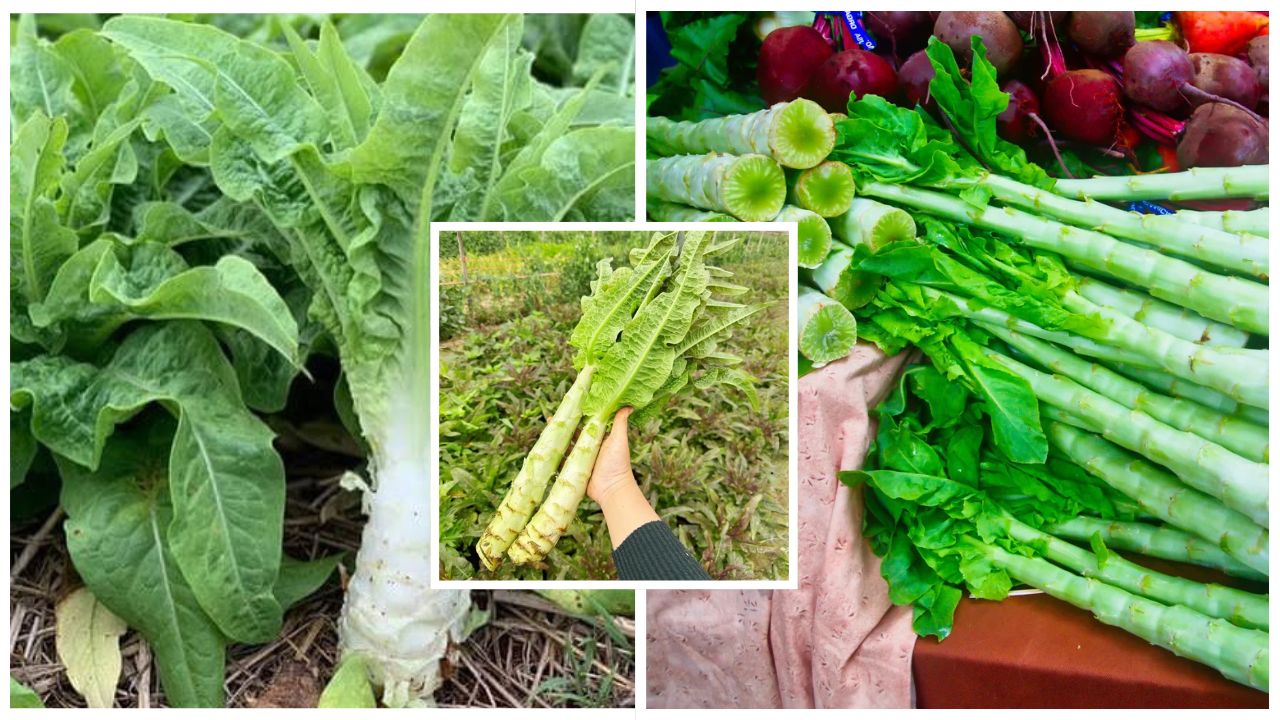
Crisp celtuce, also known as stem lettuce or asparagus lettuce, is a cool-season vegetable valued for its long, thick, tender stems and edible leaves. Unlike ordinary lettuce, the main attraction of celtuce is the succulent stem, which develops as the plant matures. With the right combination of soil, moisture, nutrition, sunlight, and harvesting, gardeners can produce thick, crisp stems with a mild flavor and satisfying texture.
Celtuce grows best when conditions remain relatively cool and steady. Excessive heat can cause plants to bolt early, while inconsistent watering can produce stems that are thin, fibrous, or less juicy. Good cultivation therefore focuses on maintaining steady growth rather than pushing the plant with excessive fertilizer.
Choosing the Right Location
Select a location that receives plenty of sunlight while offering some protection from intense afternoon heat. Celtuce generally performs best with several hours of direct sunlight each day, particularly during cooler weather. In warmer climates, light afternoon shade can help prevent heat stress and premature bolting.
Good air circulation is also useful because crowded, humid conditions can encourage fungal problems. Leave enough space between plants for their leaves to spread naturally and for air to move around the stems.
If growing celtuce in containers, choose a pot that is reasonably deep and wide enough to support healthy root development. Containers should always have drainage holes because standing water around the roots can interfere with nutrient absorption and encourage root problems.
Preparing Soil for Strong Stem Development
Healthy soil is one of the most important factors in producing thick celtuce stems. The soil should be fertile, loose, well-drained, and rich in organic matter. Compact soil can restrict root development and make it difficult for plants to maintain steady growth.
Before planting, work mature compost or well-decomposed organic matter into the soil. This improves soil structure while supplying a gradual source of nutrients. A balanced growing medium should retain enough moisture to prevent drought stress but still allow excess water to drain away.
Avoid using fresh manure because it can be too strong for young plants and may encourage excessive leafy growth. Well-aged compost is a safer choice for building fertility before planting.
Planting Celtuce for Healthy Growth
Celtuce can be grown from seed, and starting with healthy seed gives plants a strong foundation. Sow seeds shallowly in prepared soil and keep the surface consistently moist until germination. Once seedlings become established, thin them so that each plant has enough room to develop a substantial stem.
Crowded plants compete for light, water, and nutrients. This competition often produces weaker growth and smaller stems. Proper spacing allows each plant to develop a stronger root system and receive enough sunlight for consistent photosynthesis.
Transplants should be handled gently because damaged roots can temporarily slow growth. Water newly planted seedlings carefully and keep the soil evenly moist while they become established.
Providing the Right Amount of Moisture
Moisture control is especially important when the goal is a thick, crisp celtuce stem. The plant should not experience repeated cycles of severe drying followed by heavy watering. Such fluctuations can interrupt growth and reduce stem quality.
Water when the upper layer of soil begins to dry, applying enough moisture to reach the deeper root zone. During warm or windy conditions, plants may require more frequent watering. During cool, cloudy periods, watering needs may decrease.
A layer of organic mulch around the plants can help reduce evaporation and keep soil temperatures more stable. Keep mulch slightly away from the central stem to reduce the risk of excessive moisture around the plant base.
Fertilizing Celtuce Without Excessive Leaf Growth
Celtuce needs adequate nutrients for vigorous growth, but heavy feeding is not necessarily better. Excess nitrogen can encourage rapid leaf production without producing the balanced stem development gardeners want.
A moderate application of a balanced vegetable fertilizer can support early growth. Compost can also provide slow-release nutrition throughout the growing period. Once plants are established, fertilizer should be applied according to the product’s instructions rather than repeatedly adding large quantities.
Potassium is important for overall plant strength and water regulation, while phosphorus supports root development. Nitrogen remains essential for healthy foliage, but excessive amounts can result in soft, overly leafy plants.
If the soil is already fertile, additional fertilizer may be unnecessary until the plants show signs of nutrient deficiency or slowed growth.
Encouraging Thick and Crisp Stems
Stem thickening occurs naturally as celtuce develops, but growing conditions strongly influence the final size and quality. Consistent moisture, adequate sunlight, healthy roots, and balanced nutrition all contribute to strong stem formation.
Do not harvest the plant too early if the primary goal is a large stem. Allow the central stalk to enlarge while continuing to monitor the plant for signs of bolting. The best balance is to give the stem enough time to develop without leaving it on the plant so long that it becomes tough or woody.
Maintaining steady growth is more effective than trying to force stem enlargement through heavy feeding. A healthy plant with uninterrupted growth generally produces a better-quality stem.
Managing Sunlight and Temperature
Celtuce prefers cool to moderate temperatures. Excessive heat can accelerate bolting, causing the plant to produce a flower stalk before the edible stem reaches its ideal size.
During warm periods, provide afternoon shade where practical, particularly for container-grown plants. Keeping the soil evenly moist can also help reduce heat-related stress.
If growing in a region with hot summers, schedule planting for a cooler part of the growing season. In many areas, spring and autumn provide more suitable conditions than the hottest part of summer.
Weed Control and General Maintenance
Weeds compete directly with celtuce for moisture and nutrients, so keeping the growing area relatively clean can improve plant performance. Remove weeds carefully while plants are young, taking care not to disturb shallow roots.
Mulching can reduce weed emergence while helping stabilize soil moisture. As the plant grows, remove damaged or diseased leaves when necessary and maintain good airflow around the plants.
Avoid unnecessary handling of the developing stem. Mechanical damage can create entry points for disease and may reduce the quality of the harvested vegetable.
Common Problems That Affect Stem Quality
Thin stems can result from insufficient light, overcrowding, poor nutrition, inconsistent watering, or harvesting before the plant has matured. If stems remain small, review the growing conditions rather than immediately adding more fertilizer.
Tough stems are often associated with excessive maturity or stressful growing conditions. Heat and water shortages can both reduce tenderness. Bolting is another common concern, particularly when temperatures rise quickly.
Yellowing leaves may indicate several problems, including nutrient imbalance, overwatering, poor drainage, or natural aging of older foliage. Check soil moisture and root conditions before deciding how to correct the issue.
When and How to Harvest Celtuce
Celtuce is usually harvested when the central stem has reached a useful size but remains tender. Depending on the variety and growing conditions, the stem can become noticeably thick and elongated as the plant approaches maturity.
Use a clean, sharp knife to cut the stem rather than tearing it. Remove the tougher outer portions if necessary, then peel the stem to reveal the crisp interior.
Harvesting at the right stage makes a significant difference. Younger stems tend to be more tender, while older stems can become fibrous. If temperatures are rising and the plant is beginning to bolt, harvesting promptly can help preserve the best texture.
Storing Freshly Harvested Celtuce
After harvesting, remove excess leaves if they are not needed and keep the stem cool. Avoid washing the vegetable until you are ready to use it if you want to maximize storage quality.
Place the stems in the refrigerator in a suitable vegetable storage bag or container. Maintaining moderate humidity helps prevent them from drying out and losing their characteristic crispness.
Before cooking or eating, wash the stems thoroughly, peel away the tougher exterior, and slice them according to the intended recipe. The tender interior can be eaten fresh or cooked.
Tips for Growing Better Celtuce Every Season
The most reliable way to improve celtuce production is to focus on consistency. Start with fertile, well-drained soil, provide adequate sunlight, maintain steady moisture, and avoid excessive fertilizer. Give plants enough space so that their roots and leaves can develop without competition.
Keep an eye on temperature because heat can shorten the growing period and trigger premature flowering. If the weather becomes unusually warm, afternoon shade and careful moisture management can help reduce stress.
For gardeners growing celtuce repeatedly, keeping notes about planting dates, watering frequency, fertilizer applications, stem size, and harvest timing can be extremely useful. These observations make it easier to determine which conditions produce the thickest and crispest stems in your particular garden.
Final Thoughts on Growing Crisp Celtuce Stems
Growing excellent celtuce is mainly about providing stable conditions throughout the plant’s development. Thick stems are encouraged by fertile soil, healthy roots, balanced nutrition, consistent moisture, sufficient light, and timely harvesting. Excess fertilizer or irregular watering cannot replace good basic care.
With proper preparation and attention to temperature and moisture, celtuce can become a productive and rewarding cool-season crop. Once gardeners understand that the stem develops gradually and responds best to steady growth, producing crisp, substantial celtuce stems becomes much easier.
