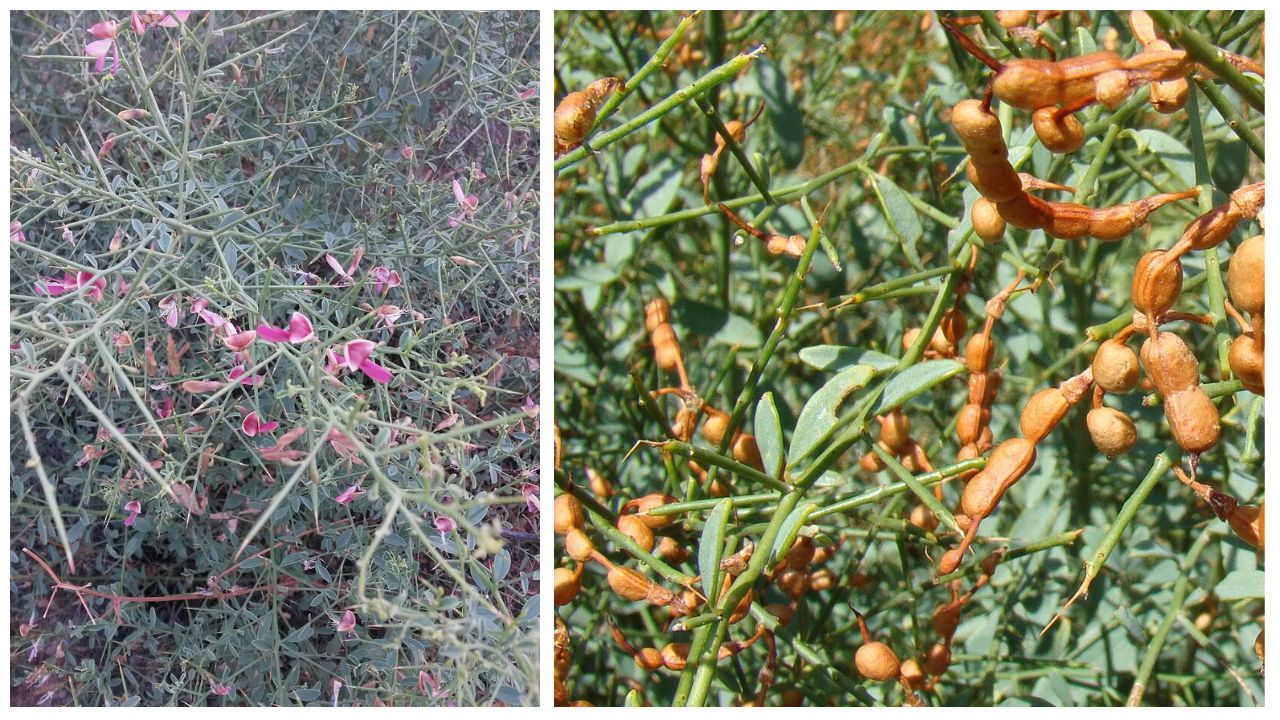
Alhagi is a hardy, drought-tolerant plant belonging to the legume family and is commonly associated with dry, sandy, and semi-arid environments. It is well adapted to challenging growing conditions and can survive where many other plants struggle. Growing Alhagi from seed requires patience because germination can be slow and uneven, but once established, the plant generally needs relatively little maintenance.
The plant develops a strong root system that allows it to access moisture deeper in the soil. This makes choosing an appropriate planting location particularly important. A sunny, open area with excellent drainage is usually more suitable than a damp or heavily shaded garden bed.
Choosing Good Alhagi Seeds
Starting with healthy seeds is one of the most important steps when growing Alhagi. Choose mature, clean seeds without visible mold, insect damage, cracks, or discoloration. Fresh, properly stored seeds generally have a better chance of producing healthy seedlings.
Alhagi seeds can have a relatively hard outer coating, which may slow water absorption and germination. For this reason, preparing the seeds before planting can improve the chances of successful emergence.
Preparing Alhagi Seeds for Germination
Before sowing, gently scarifying the seed coat can help water reach the inside of the seed. This can be done carefully with fine sandpaper by lightly rubbing the surface of each seed. The goal is to weaken the outer coating without damaging the seed itself.
Another useful method is soaking the seeds in clean, lukewarm water for several hours before planting. Avoid using extremely hot water because excessive heat can damage the seed. After soaking, plant the seeds while they are still moist.
Because germination can vary, planting several seeds gives you a better opportunity to establish healthy plants. Once seedlings become established, weaker plants can be removed if they are growing too closely together.
Preparing the Soil for Alhagi
Alhagi generally performs best in loose, well-draining soil. Sandy or sandy-loam soil is particularly suitable because it allows excess water to move away from the roots. Heavy clay soil can hold too much moisture and may create unfavorable conditions for young roots.
Prepare the planting area by removing weeds, stones, and large pieces of debris. Loosen the upper layer of soil so that young roots can develop without excessive resistance. If the soil is compacted, improve its structure with suitable organic material, but avoid creating a rich, water-retentive planting bed.
The soil does not need to be extremely fertile. Alhagi is naturally adapted to relatively poor conditions, so excessive fertilizer is generally unnecessary.
Selecting the Right Location
Choose a location that receives plenty of direct sunlight. Alhagi is suited to warm, bright conditions and generally develops better when it receives several hours of sunlight each day.
Good air circulation is also helpful. Avoid planting it in areas where water regularly collects after rainfall or irrigation. A slightly raised or naturally well-drained site can be beneficial if your garden soil tends to remain wet.
Consider the plant’s mature growth and root system when selecting its location. Give it enough space so that it does not interfere with nearby plants, paths, or garden structures.
How to Plant Alhagi Seeds
Once the soil has been prepared and the seeds have been treated, sow them shallowly. A planting depth of roughly 0.5 to 1 centimeter is generally sufficient for small seeds. Cover them lightly with fine soil rather than burying them deeply.
Water the planting area gently after sowing. A strong stream of water can move the seeds around or bury them too deeply. Keeping the upper soil layer lightly moist during the initial germination period is more important than providing large amounts of water.
Leave enough space between planting spots to accommodate future growth. If several seedlings emerge close together, they can eventually be thinned to allow the strongest plants to develop properly.
Watering During Germination
Water management is especially important during the first stage of growth. The soil should remain slightly moist while the seeds are attempting to germinate, but it should never remain saturated.
Check the soil regularly by touching the surface. If it begins to dry out, provide a small amount of water. In warm conditions, the soil may dry more quickly, so frequent observation is useful during the early stages.
Once seedlings appear, gradually reduce watering as they become established. This encourages the development of stronger roots and helps the plants adapt to drier conditions.
Providing the Right Amount of Sunlight
Young Alhagi seedlings benefit from bright sunlight, although extremely intense heat combined with very dry soil can stress newly emerged plants. If temperatures are particularly high, maintaining adequate moisture around young seedlings is more important than providing shade for long periods.
As the plants mature, they should be exposed to increasingly normal outdoor conditions. Established Alhagi plants are generally much more tolerant of heat and direct sunlight than young seedlings.
A location with good sunlight throughout the growing season can encourage stronger stems and healthier overall growth.
Caring for Young Alhagi Plants
Young plants need protection from aggressive weeds because weeds can compete for moisture, nutrients, light, and space. Remove competing vegetation carefully around the seedlings without disturbing their developing roots.
Avoid excessive watering and unnecessary fertilizing. Alhagi’s natural adaptation to dry environments means that over-care can sometimes create more problems than it solves.
Watch the plants regularly for signs of stress. Yellowing leaves, consistently wet soil, weak growth, or sudden wilting can indicate that the growing conditions need adjustment.
Fertilizing Alhagi
Alhagi usually does not require heavy feeding. In soil that already contains a reasonable amount of nutrients, additional fertilizer may not be necessary.
If the soil is extremely poor, a small amount of well-decomposed organic matter can be incorporated before planting. Avoid applying large quantities of high-nitrogen fertilizer because excessive vegetative growth may not be beneficial and can make the plant less suited to its natural growing conditions.
A soil test can help determine whether any nutrients are actually lacking before fertilizer is added.
Managing Weeds and Garden Growth
Weed management is most important while Alhagi plants are small. Once established, their growth and strong root system can make them considerably more competitive.
Remove weeds by hand around young plants, taking care not to disturb the roots. A thin layer of suitable mulch can also help reduce weed competition and slow moisture loss, although mulch should not be placed directly against the plant’s stem.
Keep the planting area reasonably open and well ventilated to reduce unnecessary competition and improve growing conditions.
Common Problems When Growing Alhagi
The most common difficulties during seed establishment are poor germination, excessive moisture, compacted soil, and competition from weeds. Planting seeds too deeply can also delay or prevent emergence.
If seeds fail to germinate, review the planting depth, seed quality, moisture level, and temperature. Since germination may not happen uniformly, avoid disturbing the planting area too quickly.
Overwatering is another major concern. Constantly wet soil can damage roots and create conditions that encourage root problems. Allowing the soil to drain properly is usually more beneficial than maintaining constant moisture.
When and How Alhagi Develops
Alhagi grows gradually after establishment and invests significant energy into its root system. Above-ground growth may appear modest at first, especially when the plant is establishing itself.
During periods of favorable warmth and sunlight, growth can become more noticeable. The plant may develop branches and characteristic foliage while its root system continues expanding below the surface.
Because Alhagi is adapted to dry environments, growth should be evaluated in relation to its natural characteristics rather than compared with fast-growing garden vegetables or annual crops.
Harvesting Alhagi
The appropriate harvesting method depends on which part of the plant is being collected and how it will be used. Harvesting should generally be done only after the plant is well established and has produced sufficient growth.
If above-ground portions are being collected, use clean, sharp cutting tools and avoid removing excessive amounts at once. Leaving enough healthy growth allows the plant to continue developing.
If roots are the intended harvest, remember that Alhagi can develop a substantial root system. Removing the roots usually kills or seriously damages the plant, so root harvesting should only be done when that is specifically intended.
Harvesting Seeds for Future Planting
If your goal is to produce Alhagi seeds for future planting, allow the plant to mature naturally and produce seed-bearing structures. Harvest mature seeds when they have fully developed and are sufficiently dry.
Collect them during dry weather whenever possible. Allow harvested material to dry further in a clean, well-ventilated location before separating and storing the seeds.
Store mature seeds in a cool, dry place protected from moisture and excessive heat. Proper storage can help maintain their viability until the next planting season.
How to Maintain Established Alhagi
Once Alhagi is established, maintenance is generally straightforward. Water only when necessary, especially during unusually long periods without rainfall. Established plants are much more tolerant of dry conditions than newly planted seedlings.
Continue removing invasive weeds around the plant when necessary, and inspect the soil occasionally to make sure drainage remains good. Avoid unnecessary fertilizer applications and excessive irrigation.
The best care approach is to work with the plant’s natural tolerance for heat and dryness rather than attempting to maintain constantly moist, highly fertile conditions.
Final Tips for Successfully Growing Alhagi from Seed
Growing Alhagi from seed is mainly a matter of providing the right conditions during establishment and then allowing the plant to develop naturally. Start with healthy seeds, prepare them carefully, use loose and well-draining soil, and sow them shallowly.
Provide bright sunlight and gentle moisture during germination, but avoid keeping the soil saturated. Once the seedlings become established, reduce watering and focus on controlling weeds and maintaining good drainage.
With patience and suitable growing conditions, Alhagi can become a hardy, low-maintenance plant capable of handling warm and relatively dry environments. Careful seed preparation, proper planting depth, adequate sunlight, moderate watering, and timely harvesting are the key steps toward successfully growing this resilient plant from seed.
