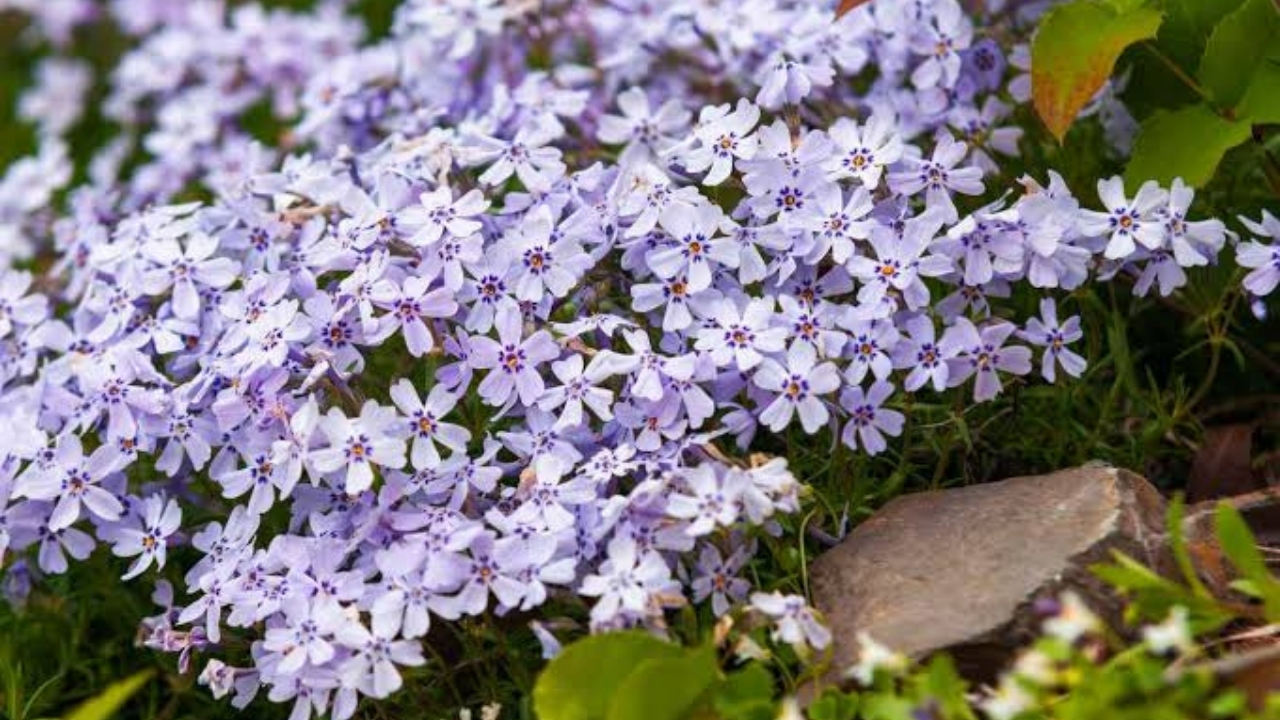
Creeping phlox is one of the most rewarding perennial ground covers for gardeners who want a carpet of vibrant spring color with minimal maintenance. Known for its dense mat of evergreen or semi-evergreen foliage and masses of star-shaped blooms, creeping phlox transforms slopes, rock gardens, borders, and pathways into colorful landscapes. Once established, this hardy plant spreads naturally, filling empty spaces with lush greenery and flowers that attract bees, butterflies, and other beneficial pollinators.
Native to eastern and central regions of North America, creeping phlox thrives in a variety of climates and adapts well to different garden styles. Whether planted between stepping stones, cascading over retaining walls, or softening the edges of flower beds, it provides long-lasting beauty while helping reduce weeds and soil erosion.
Choosing the Best Location for Healthy Growth
Selecting the right planting location is the first step toward growing healthy creeping phlox. This perennial performs best in areas that receive at least six hours of direct sunlight each day. Full sun encourages abundant flowering, compact growth, and richer bloom colors. While the plant can tolerate light afternoon shade, excessive shade often results in fewer flowers and thinner foliage.
Good air circulation is equally important, especially in regions with high humidity. Proper airflow helps reduce the risk of fungal diseases and keeps the foliage healthy throughout the growing season.
Creeping phlox is especially well suited for rock gardens, slopes, retaining walls, edging pathways, cottage gardens, and containers where its trailing stems can spill gracefully over the sides.
Soil Requirements for Strong Plants
Healthy soil plays a significant role in the success of creeping phlox. The plant prefers loose, well-drained soil that allows excess moisture to escape quickly. Constantly wet soil may lead to root rot and poor plant performance.
Although creeping phlox adapts to sandy, rocky, and average garden soils, adding compost before planting improves soil texture, fertility, and moisture balance. A slightly acidic to neutral soil with a pH between 6.0 and 7.0 provides ideal growing conditions.
Heavy clay soils should be improved with organic matter and coarse sand to enhance drainage before planting.
How to Plant Creeping Phlox
The best times to plant creeping phlox are spring and early fall when temperatures are mild. These seasons allow roots to establish before extreme summer heat or winter cold arrives.
Dig a planting hole that is about twice as wide as the root ball but no deeper than its height. Position the plant so the top of the root ball sits level with the surrounding soil. Fill the hole gently, firm the soil around the roots, and water thoroughly to remove air pockets.
Space individual plants approximately 12 to 18 inches apart. Although they may appear widely spaced initially, creeping phlox spreads steadily over time and eventually creates a dense flowering carpet.
Applying a thin layer of mulch around newly planted specimens helps retain moisture while preventing weed growth. Keep mulch a few inches away from the stems to avoid excessive moisture around the crown.
Watering for Healthy Root Development
Proper watering encourages strong root growth during the first growing season. Newly planted creeping phlox benefits from consistent moisture while becoming established. Water deeply once or twice each week, depending on rainfall and soil conditions.
Once mature, creeping phlox becomes relatively drought tolerant and requires much less frequent watering. Deep watering during prolonged dry periods is usually sufficient to maintain healthy foliage and flowering.
Avoid frequent shallow watering, which encourages weak surface roots. Watering early in the morning also allows foliage to dry quickly, reducing the chances of fungal diseases.
Fertilizing for More Colorful Blooms
Creeping phlox is not a heavy feeder, making it an easy-care perennial for most gardens. A light application of a balanced, slow-release fertilizer in early spring provides enough nutrients to support vigorous growth and abundant flowering.
Gardeners who regularly amend their soil with compost may find that additional fertilizer is rarely necessary. Excessive nitrogen encourages leafy growth at the expense of flowers, so moderate feeding generally produces the best results.
After flowering finishes, a light layer of compost around the plants helps replenish nutrients and supports healthy foliage throughout the remainder of the season.
Fast Bloom Tips for Maximum Flower Production
Gardeners looking for faster and more impressive blooms can follow a few simple practices that significantly improve flowering performance.
Plant creeping phlox in full sun whenever possible, as sunlight directly influences flower production. Healthy, well-drained soil also promotes rapid root establishment, allowing plants to focus energy on blooming rather than recovering from stress.
Avoid overcrowding by maintaining recommended spacing between plants. Good airflow supports healthier foliage and larger flower displays.
Removing weeds around the plants reduces competition for nutrients and water, while regular watering during dry periods keeps the plants actively growing without stress.
Applying compost annually enriches the soil naturally and encourages vigorous spring growth. Mature plants also respond well to light trimming after flowering, which stimulates dense branching and creates a fuller appearance for the following season.
Seasonal Care Throughout the Year
Creeping phlox requires very little attention once established, but seasonal maintenance keeps it looking its best year after year.
During spring, remove any winter-damaged stems and clean away debris before new growth begins. This improves air circulation and encourages fresh foliage.
Summer care mainly involves occasional watering during drought and monitoring for weeds or pests. Since flowering usually ends in late spring or early summer, trimming faded flower stems helps maintain an attractive appearance.
In autumn, remove dead leaves and lightly top-dress the soil with compost. Avoid heavy fertilization late in the season, as it may encourage tender new growth before winter.
During winter, creeping phlox generally survives cold temperatures without protection in suitable hardiness zones. In colder climates with repeated freeze-thaw cycles, a light mulch layer can help stabilize soil temperatures around the roots.
Pruning and Encouraging Dense Growth
Pruning is one of the easiest ways to keep creeping phlox compact and attractive. Immediately after the flowering period ends, trim back the stems by one-third to one-half of their length.
This simple task encourages branching, thickens the plant, and helps prevent sparse or woody growth. Regular trimming also reduces the chances of disease by improving air circulation through the foliage.
Older patches that become thin in the center can be rejuvenated by cutting back portions of the plant and dividing overcrowded clumps.
Propagation Methods
Expanding your creeping phlox collection is simple because the plant propagates readily through division, stem cuttings, and natural spreading.
Division is the quickest method and is best performed in early spring or early fall. Carefully lift mature clumps, separate them into smaller sections with healthy roots attached, and replant them immediately.
Stem cuttings taken during late spring or summer also root successfully in moist growing medium under bright indirect light.
As creeping phlox naturally spreads across the soil surface, rooted stems can often be separated and transplanted to new locations around the garden.
Common Pests and Diseases
Although creeping phlox is generally resilient, occasional problems may arise under unfavorable growing conditions.
Powdery mildew is the most common disease, especially where humidity is high and air circulation is poor. Providing adequate spacing, watering at the base of the plant, and avoiding overhead irrigation greatly reduce this issue.
Root rot may develop in poorly drained soils, making proper drainage one of the most important preventive measures.
Spider mites occasionally appear during hot, dry weather, while slugs and snails may feed on young growth in damp conditions. Regular garden inspections allow early intervention before infestations become serious.
Maintaining healthy growing conditions remains the best defense against both pests and diseases.
Landscaping Ideas with Creeping Phlox
Few perennials offer the versatility of creeping phlox in landscape design. Its low-growing habit makes it ideal for softening hard edges and filling spaces where taller plants would look out of place.
It pairs beautifully with spring-flowering bulbs, ornamental grasses, dwarf shrubs, and other low-growing perennials. Planting several color varieties together creates stunning waves of blooms across slopes and garden beds.
Creeping phlox is also excellent for erosion control on hillsides, where its spreading root system helps stabilize loose soil while creating an eye-catching display each spring.
Whether cascading over stone walls, lining pathways, or covering rocky terrain, it adds texture, color, and year-round interest to nearly any garden.
Final Thoughts
Creeping phlox is an outstanding perennial for gardeners seeking reliable beauty with minimal maintenance. Its brilliant spring flowers, evergreen foliage, and spreading habit make it one of the finest ground covers for both small and large landscapes. With plenty of sunlight, well-drained soil, moderate watering, and occasional pruning, this resilient plant will reward you with dense carpets of colorful blooms for many years. By following proper planting techniques and seasonal care practices, you can enjoy healthier plants, faster blooming, and a vibrant garden that welcomes pollinators while enhancing the landscape through every season.
