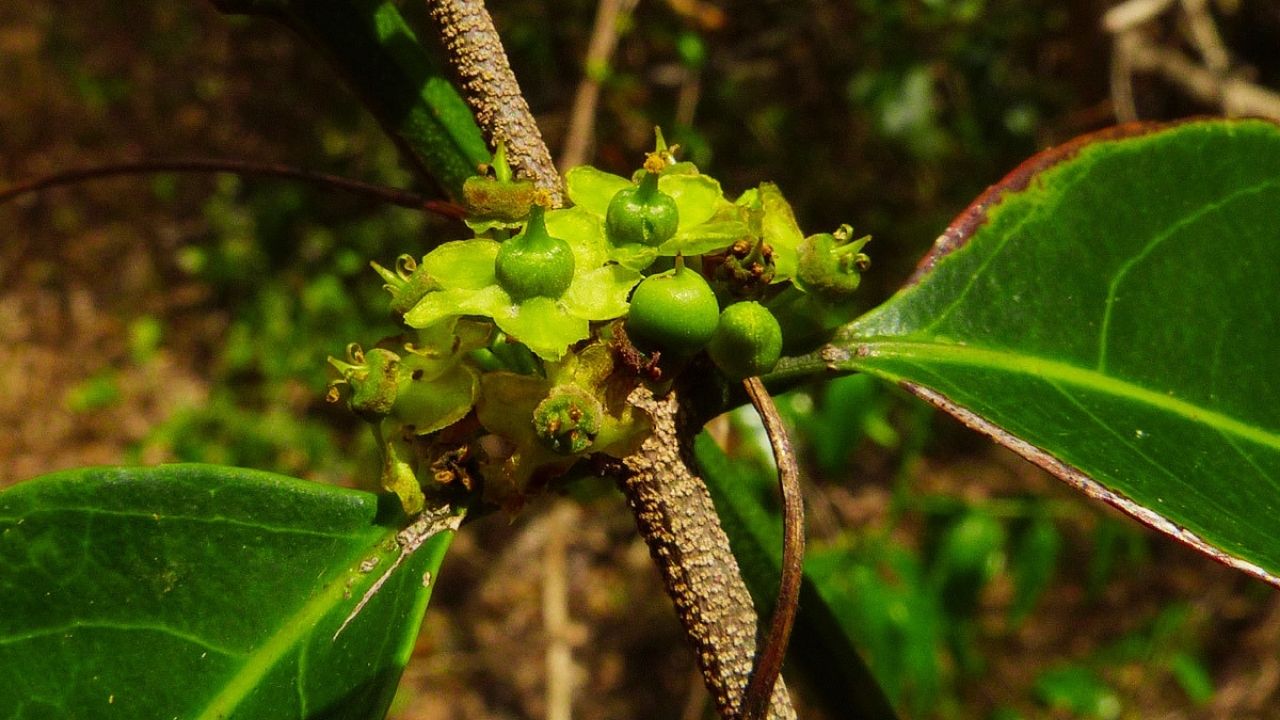
Dolichocarpa is a fascinating tropical plant admired for its lush foliage, delicate flowers, and unique botanical appeal. Native to warm, humid regions of Central and South America, this lesser-known genus belongs to the Gesneriaceae family, which also includes popular houseplants such as African violets and lipstick plants. Although Dolichocarpa is considered rare in cultivation, it is increasingly attracting collectors and tropical plant enthusiasts who appreciate its exotic beauty and relatively manageable care requirements.
Growing Dolichocarpa successfully requires recreating the warm, moist, and shaded conditions of its natural rainforest habitat. With proper attention to light, humidity, watering, and soil quality, this remarkable plant rewards gardeners with healthy growth and elegant blooms throughout much of the growing season. Whether grown indoors as a collector’s specimen or outdoors in tropical gardens, Dolichocarpa adds an unmistakable touch of rainforest charm.
Understanding Dolichocarpa’s Natural Habitat
In the wild, Dolichocarpa thrives beneath the forest canopy where sunlight is filtered through tall trees. These environments remain consistently warm throughout the year, with high humidity, frequent rainfall, and rich organic soil that drains well while retaining adequate moisture.
The plant often grows among moss-covered rocks, decaying leaf litter, or on slopes where excess water drains away naturally. These growing conditions provide valuable clues for successful cultivation, emphasizing the importance of indirect light, consistent moisture, and excellent drainage.
Replicating these natural conditions is the key to maintaining vigorous growth and encouraging regular flowering.
Choosing the Best Location
Selecting the right growing location greatly influences the health of Dolichocarpa. Bright, indirect light produces the strongest foliage and the highest number of blooms. Direct afternoon sunlight should be avoided, as intense rays can scorch the delicate leaves.
Indoors, place the plant near an east-facing window or a bright north-facing window where filtered light is available throughout the day. A sheer curtain can soften stronger sunlight entering south- or west-facing windows.
Outdoors, Dolichocarpa performs well beneath shade trees, covered patios, or shaded tropical borders where it receives gentle morning sunlight followed by protection during the hottest hours.
Stable temperatures and protection from strong winds further improve its growth.
Ideal Temperature and Humidity
As a tropical species, Dolichocarpa prefers warm temperatures throughout the year. Ideal daytime temperatures range between 68°F and 82°F (20°C to 28°C), while nighttime temperatures should remain above 60°F (16°C).
Cold weather slows growth considerably, and frost can quickly damage or kill the plant. In cooler climates, Dolichocarpa is best grown indoors or moved inside before temperatures begin to drop.
Humidity is equally important. Levels between 60% and 80% closely resemble its native rainforest environment. Dry indoor air may cause brown leaf edges, curling foliage, or reduced flowering.
Humidity can be increased by grouping plants together, using humidifiers, or placing containers on pebble trays filled with water while ensuring the pot itself remains above the waterline.
Soil Requirements
The ideal growing medium should balance moisture retention with excellent drainage. Heavy or compact soils often lead to root rot, while extremely sandy mixes dry out too quickly.
A quality tropical potting mix enriched with organic materials works exceptionally well. Combining peat moss or coco coir with orchid bark, compost, and perlite creates an airy structure that allows roots to breathe while retaining enough moisture.
Organic matter gradually breaks down, providing nutrients and improving soil texture over time. Slightly acidic soil with a pH between 5.8 and 6.8 supports healthy nutrient absorption.
Repot container-grown plants every two to three years or whenever roots begin filling the container.
Watering Properly
Dolichocarpa appreciates evenly moist soil but dislikes standing water around its roots. Water thoroughly whenever the top inch of soil begins to feel slightly dry.
During active growth in spring and summer, watering may be needed several times each week depending on temperature, humidity, and pot size. In cooler months, growth naturally slows, allowing watering frequency to decrease.
Always water deeply until excess moisture drains from the bottom of the pot. Empty decorative saucers afterward to prevent prolonged root exposure to standing water.
Using room-temperature water helps avoid shocking the root system.
Consistent watering encourages lush foliage and continuous blooming while avoiding the stress caused by repeated drying and overwatering.
Fertilizing for Healthy Growth
Regular feeding supports vigorous foliage production and flower development. Apply a balanced liquid fertilizer diluted to half strength every three to four weeks during the active growing season.
Organic fertilizers, including fish emulsion, compost tea, or seaweed extracts, also provide gentle nutrition while improving soil health.
Avoid excessive nitrogen applications, which can encourage leafy growth at the expense of flowers. During autumn and winter, reduce or temporarily suspend fertilization while the plant’s growth naturally slows.
Occasionally flushing the soil with clean water helps remove accumulated fertilizer salts that may damage sensitive roots.
Planting Dolichocarpa in Containers and Gardens
Containers are often the preferred method for cultivating Dolichocarpa, especially in regions with cool winters. Choose pots with adequate drainage holes to prevent excess moisture from collecting around the roots.
Terracotta containers improve airflow through the root zone, although plastic pots retain moisture longer in dry climates.
When planting outdoors in tropical landscapes, enrich the soil with compost before planting. Position the plant where it receives filtered light and protection from intense midday sun.
Apply organic mulch around the base to conserve moisture, suppress weeds, and gradually enrich the soil as it decomposes.
Leave adequate spacing between plants to improve air circulation and reduce disease risk.
Pruning and General Maintenance
Dolichocarpa requires relatively little pruning. Regularly remove yellowing, damaged, or diseased leaves to keep the plant attractive and encourage healthy new growth.
Spent flowers can also be removed to direct energy toward continued blooming rather than seed production.
Occasional trimming of leggy stems helps maintain a fuller, more compact shape. Sterilized pruning tools minimize the spread of disease between plants.
Cleaning dust from indoor leaves using a damp cloth improves photosynthesis and enhances the plant’s appearance.
Routine inspections allow gardeners to identify problems before they become severe.
Propagation Methods
Dolichocarpa can be propagated through stem cuttings, division, and occasionally from seed, depending on the species.
Stem cuttings remain the easiest and most reliable technique. Select healthy, non-flowering stems several inches long and remove the lower leaves before planting them in a moist propagation mix containing perlite and peat moss.
Maintain warm temperatures and high humidity until roots develop, usually within several weeks.
Large mature plants may also be divided during repotting, ensuring each section retains healthy roots and growing shoots.
Seed propagation is generally slower and may require patience, but it offers an enjoyable challenge for collectors seeking genetic diversity.
Common Pests and Diseases
Although generally resilient, Dolichocarpa may occasionally experience pest problems, especially when grown indoors.
Common pests include spider mites, mealybugs, aphids, whiteflies, and fungus gnats. Regular inspection of leaves, stems, and new growth helps detect infestations early.
Neem oil, insecticidal soap, or a gentle stream of water usually controls minor pest outbreaks without harming the plant.
Poor air circulation and excessive moisture may encourage fungal diseases such as powdery mildew, leaf spot, or root rot.
Avoid overhead watering whenever possible, improve ventilation, and remove infected plant material promptly to prevent disease spread.
Healthy growing conditions remain the best defense against both pests and diseases.
Encouraging More Flowers
Dolichocarpa produces its best floral displays when its environmental needs are consistently met.
Bright filtered light, regular feeding, proper watering, and stable temperatures all contribute to abundant flowering.
Avoid moving the plant frequently once flower buds begin developing, as sudden environmental changes may cause bud drop.
Maintaining high humidity while avoiding waterlogged soil further supports healthy bloom production.
Mature, well-established plants typically flower more heavily than newly propagated specimens.
Patience and consistent care often reward gardeners with longer blooming periods each growing season.
Seasonal Care Throughout the Year
Spring marks the beginning of active growth, making it the ideal time for repotting, fertilizing, pruning, and propagation.
Summer requires close attention to watering and humidity, as higher temperatures increase moisture loss. Continue regular fertilization and monitor for insect activity.
During autumn, gradually reduce fertilizer applications while maintaining moderate watering as growth slows.
Winter care focuses on protecting the plant from cold temperatures, reducing watering slightly, and maintaining adequate humidity indoors where heating systems may dry the air.
Providing consistent conditions throughout seasonal changes minimizes stress and supports year-round health.
Landscape and Interior Design Uses
Dolichocarpa serves as an outstanding ornamental plant in shaded tropical gardens, conservatories, greenhouses, and indoor plant collections.
Its attractive foliage complements ferns, calatheas, begonias, philodendrons, orchids, and other humidity-loving tropical plants.
In containers, it creates an elegant focal point on shaded patios, balconies, or indoor shelves where its unusual appearance naturally attracts attention.
Collectors especially value Dolichocarpa for its rarity and distinctive rainforest character, making it a prized addition to specialty botanical collections.
Conclusion
Dolichocarpa is a beautiful yet relatively uncommon tropical plant that rewards attentive gardeners with lush foliage and graceful blooms. Although it requires warm temperatures, high humidity, filtered light, and consistently moist but well-drained soil, its care is straightforward once these basic needs are understood.
Whether cultivated indoors as a rare collector’s specimen or incorporated into tropical landscapes, Dolichocarpa brings lasting beauty and botanical interest to any plant collection. By recreating its natural rainforest environment, providing balanced nutrition, practicing careful watering, and performing routine maintenance, gardeners can enjoy a thriving, healthy plant that continues to flourish and bloom for many years.
