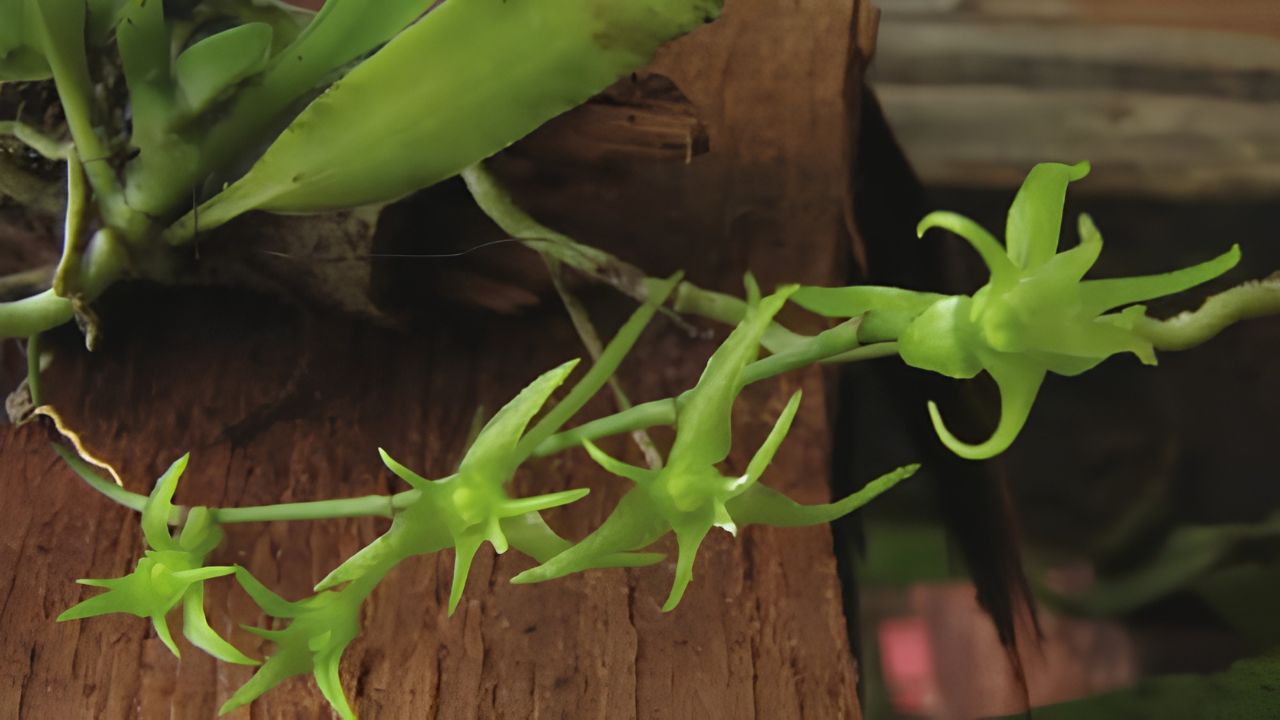
Distylodon is a distinctive plant genus that can attract attention because of its unusual growth form and specialized appearance. Growing a less commonly cultivated plant such as Distylodon can be rewarding, but success depends on understanding its natural growing conditions rather than treating it like a typical houseplant. Light, moisture, drainage, temperature, and soil structure all play important roles in maintaining healthy growth.
Because information about Distylodon in cultivation can be limited and species within a genus may have different requirements, it is important to observe the plant closely and adjust its care according to how it responds. A careful approach is usually better than excessive watering, fertilizing, or frequent repotting.
Choosing the Right Growing Location
The first step in growing Distylodon successfully is selecting an appropriate location. A bright position with good air circulation is generally preferable, while harsh environmental conditions should be avoided. If growing the plant indoors, place it near a bright window where it can receive plenty of natural light without being exposed to intense heat through glass for long periods.
Outdoor plants should be positioned according to the specific species and local climate. A sheltered area can protect young plants from strong winds, sudden temperature changes, and heavy rainfall. Good airflow is particularly useful because stagnant, humid conditions can encourage fungal problems.
Preparing the Soil
Good soil preparation is essential because the roots need access to both moisture and oxygen. Heavy soil that remains wet for extended periods can create unfavorable conditions around the roots and may eventually cause root deterioration.
A loose, well-draining growing medium is a practical choice. Organic material can help provide nutrients and improve the structure of the soil, while coarse material can improve drainage and prevent the growing medium from becoming compacted. The ideal mixture should hold enough moisture for the plant while allowing excess water to drain away quickly.
Before planting, loosen the soil and remove large stones, weeds, or compacted sections. If growing Distylodon in a container, always use a pot with drainage holes.
Planting Distylodon
Planting should be done carefully to minimize stress on the roots. Prepare a hole that is large enough to accommodate the root system without forcing or bending the roots. Place the plant at approximately the same depth at which it was previously growing.
After positioning the plant, gently fill the space around the roots with prepared soil. Avoid pressing the soil down too firmly because compacted soil can reduce air circulation around the roots. Water the plant lightly after planting to help settle the growing medium.
If planting multiple specimens, provide enough space for each plant to develop naturally. Crowding can reduce airflow and create unnecessary competition for light, water, and nutrients.
Watering Distylodon
Watering should be based on the condition of the soil rather than following a rigid daily schedule. Before watering, check the growing medium several centimeters below the surface. If it still feels noticeably damp, waiting a little longer is usually preferable to adding more water.
When watering is necessary, apply enough water to moisten the root area thoroughly, allowing excess water to drain away. Avoid repeatedly giving tiny amounts of water because this may encourage shallow root development.
The frequency of watering can change significantly with the season. Warm weather may increase water requirements, while cooler conditions usually reduce evaporation. Plants grown indoors may also need less frequent watering than specimens exposed to outdoor conditions.
Providing Proper Light
Light plays an important role in healthy plant development. Distylodon should receive an appropriate amount of light for its particular species and growing environment. Bright indirect light can be suitable for indoor cultivation, while some outdoor specimens may tolerate or require stronger natural light.
Watch the plant for signs of unsuitable lighting. Weak, stretched growth may indicate insufficient light, whereas scorched or damaged foliage can occur when a plant that is not adapted to intense sunlight is suddenly exposed to strong direct rays.
If moving Distylodon from a shaded location to a brighter one, make the change gradually. This allows the plant to adjust instead of experiencing sudden light stress.
Temperature and Humidity Requirements
Stable environmental conditions can support consistent growth. Distylodon should be protected from temperatures outside the tolerance range of its particular species. Sudden cold conditions can be especially stressful for young or newly planted specimens.
Humidity requirements also depend on the species and its natural habitat. If the surrounding air is very dry, maintaining reasonable humidity can help prevent excessive moisture loss. However, high humidity should always be combined with good air movement because constantly damp, stagnant conditions can encourage disease.
Fertilizing Distylodon
Distylodon generally benefits from sensible nutrition during active growth, but excessive fertilizer can cause more harm than good. A balanced fertilizer applied at an appropriate strength can provide nutrients needed for healthy foliage and root development.
Newly planted specimens should not be heavily fertilized immediately because their roots may still be adjusting. Once established and actively growing, fertilizer can be applied according to the product instructions and the plant’s response.
Avoid assuming that more fertilizer will produce faster or healthier growth. Excess nutrients can accumulate in the soil and damage roots, particularly when combined with poor drainage.
Propagating Distylodon
Propagation methods can vary depending on the species, and not every Distylodon species will respond equally to the same technique. When suitable material is available, propagation may involve seeds or vegetative methods depending on the plant’s characteristics.
Seed propagation generally begins with a clean, well-draining growing medium. Seeds should be planted at an appropriate depth and kept under suitable moisture and temperature conditions. Overwatering should be avoided because young seedlings are particularly vulnerable to damping-off and root problems.
If vegetative propagation is appropriate for the species, healthy plant material should be selected from a vigorous parent plant. Clean tools are important because contaminated cutting equipment can transfer disease.
Pruning and General Maintenance
Regular inspection is one of the easiest ways to keep Distylodon healthy. Remove dead, damaged, or diseased material when necessary using clean tools. Pruning should be limited to what the plant actually requires rather than being performed simply to encourage growth.
Keep the area around the plant free from weeds and fallen debris. Weeds can compete for water and nutrients, while accumulated organic debris may create overly damp conditions near the base of the plant.
Container-grown plants should also be checked periodically for roots emerging from drainage holes, compacted soil, or signs that the container has become too small.
Common Problems When Growing Distylodon
Several common cultivation problems are usually associated with incorrect moisture, unsuitable light, poor drainage, or environmental stress. Yellowing leaves may have several causes, including excessive moisture, nutrient problems, natural aging, or inadequate light, so the entire growing environment should be considered before making changes.
Wilting does not always mean the plant needs more water. Root damage caused by prolonged wet soil can also prevent a plant from absorbing water effectively. Checking the soil before watering is therefore important.
Pests may occasionally appear, particularly on stressed plants. Regularly inspecting leaves, stems, and new growth can help identify problems early. If pests are discovered, address the underlying growing conditions as well as the infestation.
Repotting Distylodon
Container-grown Distylodon may eventually need repotting if the root system becomes crowded or the growing medium deteriorates. Choose a new container only slightly larger than the previous one rather than moving immediately into a very large pot.
Carefully remove the plant while disturbing the roots as little as possible. Examine the root system and remove only clearly damaged material with clean equipment. Place the plant into fresh, well-draining growing medium and water appropriately after repotting.
Avoid frequent repotting because unnecessary disturbance can slow establishment.
Seasonal Care for Distylodon
Care should change according to seasonal conditions. During active growth, the plant may require more consistent watering, suitable nutrition, and adequate light. As temperatures fall and growth slows, water requirements may decrease.
Before periods of cold weather, outdoor plants should be protected when necessary according to their species-specific tolerance. During hot weather, monitor soil moisture more frequently, but do not compensate for heat by keeping the soil constantly saturated.
Seasonal observation is more reliable than following one fixed care routine throughout the year.
Tips for Long-Term Healthy Growth
The most important principle when growing Distylodon is consistency. Provide suitable light, maintain well-draining soil, water according to actual moisture levels, and avoid excessive fertilizer. Regular observation allows problems to be corrected before they become serious.
Keep notes about watering, growth, flowering if applicable, and seasonal changes. Over time, these observations can help you understand how your particular Distylodon responds to its growing environment.
Healthy plants usually show steady growth, firm stems, and foliage appropriate to their species. If growth suddenly changes, investigate light, water, temperature, soil, and pests before making several changes at once.
Final Thoughts on Growing Distylodon
Growing Distylodon can be an interesting experience for gardeners who enjoy cultivating less familiar plants. Although its exact requirements can vary between species, the fundamentals remain important: provide appropriate light, use a well-draining growing medium, water carefully, maintain suitable temperatures, and monitor the plant regularly.
Patience is especially valuable when establishing a new specimen or attempting propagation. Instead of forcing rapid growth through excessive water or fertilizer, focus on creating stable conditions that allow the plant to develop naturally. With thoughtful planting and consistent care, Distylodon can become a rewarding addition to a carefully maintained plant collection.
