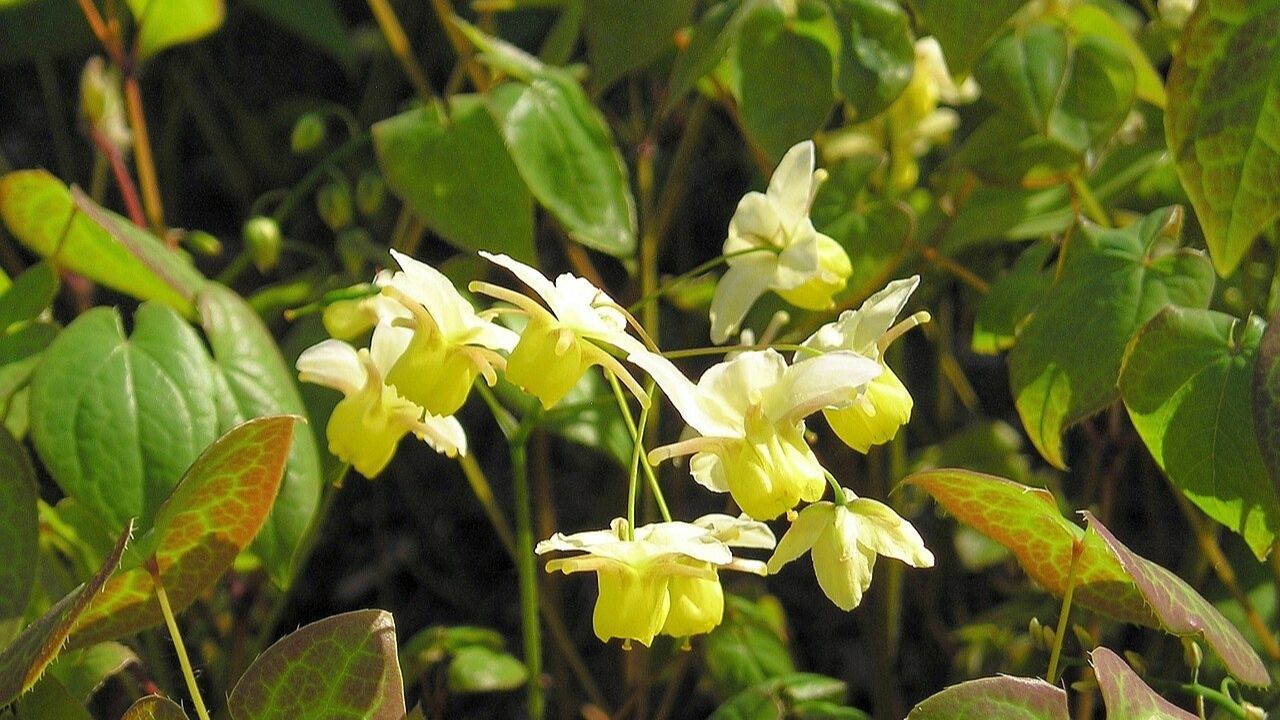
Epimedium, often called barrenwort or bishop’s hat, is one of the most dependable perennial groundcovers for shaded gardens. Loved for its delicate, spider-like flowers and attractive heart-shaped foliage, this long-lived plant adds beauty to woodland landscapes, borders, and difficult planting areas where many other ornamentals struggle. While its blooms create a colorful display in spring, the foliage remains attractive throughout the growing season, with many varieties displaying bronze, red, or purple tones as new leaves emerge and again in autumn.
Native to woodland regions of Asia and parts of Europe, Epimedium thrives in cool, partially shaded environments and is remarkably tolerant of dry shade once established. Its ability to spread slowly without becoming invasive makes it an excellent choice for gardeners seeking a low-maintenance, elegant groundcover. With proper planting and care, Epimedium can flourish for decades, creating a lush carpet beneath trees, along pathways, or in shaded perennial beds.
Choosing the Best Epimedium Variety
Selecting the right variety depends on your climate, available space, and desired appearance. Some species form compact clumps, while others spread gradually to create dense groundcovers. Flower colors range from white and yellow to pink, lavender, orange, and deep purple, often appearing before or alongside the emerging foliage.
Popular varieties include Epimedium x perralchicum for its vigorous growth and bright yellow flowers, Epimedium grandiflorum with large pink or lavender blooms, and Epimedium rubrum, which produces charming red and white flowers. Evergreen types are especially valuable in mild climates, while deciduous varieties provide stunning seasonal foliage changes in colder regions.
When selecting plants, consider mature size, leaf color, bloom period, and hardiness to ensure the best match for your garden conditions.
Ideal Growing Conditions
Epimedium performs best in partial to full shade, making it an excellent plant for woodland gardens or areas beneath deciduous trees. While it tolerates morning sunlight, prolonged afternoon sun can scorch the delicate foliage, particularly during hot summers.
The plant prefers fertile, humus-rich soil with excellent drainage. Soil enriched with compost or leaf mold closely mimics its natural woodland habitat and promotes vigorous growth. Although established plants tolerate relatively dry conditions, consistently moist soil during the first growing season encourages stronger root development.
Temperatures between 50°F and 75°F provide ideal growing conditions, though many varieties are hardy enough to withstand freezing winters and return each spring with fresh growth.
Preparing the Soil Before Planting
Good soil preparation lays the foundation for healthy Epimedium plants. Begin by removing weeds, grass, and debris from the planting area. Loosen the soil to a depth of at least 10 inches to improve drainage and encourage root expansion.
Incorporate generous amounts of compost, aged manure, or leaf mold into the soil. Organic matter improves moisture retention while maintaining adequate aeration around the roots. If your soil is heavy clay, adding coarse sand or fine gravel can further improve drainage.
Aim for a slightly acidic to neutral soil pH between 6.0 and 7.0. Testing the soil beforehand allows you to make any necessary adjustments before planting.
How to Plant Epimedium
Spring and early autumn are the best times to plant Epimedium because cooler temperatures reduce transplant stress and encourage root establishment.
Dig planting holes slightly wider than the root ball but no deeper than its original growing depth. Position each plant so the crown sits level with the surrounding soil surface. Fill the hole with amended soil, gently firming it around the roots to eliminate air pockets.
Space plants approximately 12 to 18 inches apart, depending on the variety. While Epimedium spreads gradually, proper spacing allows each plant enough room to establish while eventually forming an attractive, continuous groundcover.
Water thoroughly after planting to settle the soil and encourage root contact.
Watering Requirements
Although mature Epimedium is surprisingly drought tolerant, regular watering during establishment is essential. Keep the soil consistently moist during the first growing season without allowing it to become waterlogged.
Once established, watering once every one to two weeks during prolonged dry periods is generally sufficient. Woodland gardens often benefit from natural leaf mulch, which helps retain moisture while reducing evaporation.
Water deeply rather than frequently, encouraging roots to grow downward into the soil. Morning watering is ideal because it allows excess moisture on the foliage to dry before evening, reducing the risk of fungal diseases.
Fertilizing for Healthy Growth
Epimedium does not require heavy fertilization, but annual feeding promotes lush foliage and abundant flowering. Apply compost or a balanced slow-release fertilizer in early spring as new growth begins.
Organic materials such as compost, leaf mold, or well-rotted manure gradually release nutrients while improving overall soil structure. Excessive nitrogen should be avoided because it encourages abundant leaf growth at the expense of flowers.
A light feeding once each spring is usually enough to maintain healthy, vigorous plants throughout the growing season.
Mulching Benefits
Applying mulch around Epimedium closely replicates the natural forest floor where these plants thrive. A two- to three-inch layer of shredded leaves, bark chips, pine needles, or compost conserves soil moisture, suppresses weeds, and regulates soil temperature.
As organic mulch gradually decomposes, it enriches the soil with valuable nutrients. Keep mulch slightly away from the crown to prevent excessive moisture buildup that may encourage rot.
Refreshing mulch annually helps maintain an attractive planting bed while reducing maintenance throughout the year.
Seasonal Care Throughout the Year
Spring is the busiest season for Epimedium care. Before new growth emerges, trim away damaged or old evergreen leaves to showcase the fresh foliage and delicate flowers. This simple task greatly improves the appearance of the plants and allows the blooms to stand out.
During summer, continue watering during extended dry periods and monitor for weeds competing with young plants. Established colonies generally require very little attention beyond occasional watering.
Autumn is an excellent time to top-dress with compost and apply fresh mulch. In colder climates, fallen leaves can remain around the plants as natural winter insulation.
During winter, Epimedium requires minimal care. Most hardy varieties tolerate freezing temperatures well, with fresh growth appearing once spring warmth returns.
Pruning and Maintenance
Epimedium requires very little pruning compared to many ornamental perennials. The primary maintenance task involves removing worn or damaged foliage before spring growth begins.
Deciduous varieties naturally shed their leaves each autumn, while evergreen varieties benefit from trimming old foliage in late winter. This not only improves appearance but also allows emerging flowers to receive more sunlight.
Throughout the growing season, remove any yellowing or diseased leaves to maintain plant health and improve air circulation.
Propagation Methods
Division is the easiest and most reliable method of propagating Epimedium. Mature clumps can be divided every four to five years during early spring or autumn.
Carefully dig up the clump and separate it into smaller sections, ensuring each division contains healthy roots and several growing buds. Replant the divisions immediately at the same depth as the original plant and water thoroughly.
Growing Epimedium from seed is possible but requires patience, as germination may be slow and seedlings often take several years to reach flowering size.
Common Pests and Diseases
Epimedium is generally resistant to most pests and diseases, making it an excellent low-maintenance landscape plant. Occasionally, slugs and snails may feed on young leaves, particularly during cool, damp weather. Hand removal or environmentally friendly slug control methods usually provide sufficient protection.
Root rot may develop in poorly drained soils where excess moisture persists around the roots. Proper drainage and careful watering greatly reduce this risk.
Good air circulation, healthy soil, and avoiding overcrowding help prevent the few fungal issues that occasionally affect the foliage.
Growing Epimedium in Containers
Although commonly used as a groundcover, Epimedium also grows well in containers. Choose a wide pot with ample drainage holes and fill it with a rich, well-draining potting mix containing compost.
Place containers in partial shade where they receive gentle morning sunlight but protection from intense afternoon heat. Container-grown plants dry out more quickly than those in the ground, so monitor soil moisture regularly.
Refreshing the potting mix every few years and dividing crowded plants helps maintain vigorous growth.
Landscape Uses and Companion Plants
Epimedium is one of the finest perennial groundcovers for shaded landscapes. It softens pathways, fills spaces beneath trees, and creates attractive carpets beneath shrubs without becoming invasive.
It pairs beautifully with hostas, ferns, bleeding hearts, hellebores, astilbes, woodland phlox, Japanese forest grass, pulmonaria, and spring-flowering bulbs. These combinations provide layers of texture, color, and seasonal interest while sharing similar growing requirements.
Its graceful flowers and decorative foliage also make Epimedium a valuable addition to naturalistic woodland gardens, shaded rock gardens, and mixed perennial borders.
Troubleshooting Common Growing Problems
Poor flowering often results from excessive shade, nutrient deficiencies, or overcrowded plants. Dividing mature clumps and providing a small amount of spring fertilizer usually restores blooming performance.
Yellow leaves may indicate overly wet soil, poor drainage, or temporary drought stress. Adjust watering practices and improve soil conditions if necessary.
Slow growth during the first year is normal, as Epimedium invests energy in establishing its root system before producing vigorous foliage. With patience, healthy plants gradually spread into dense, attractive colonies that require very little ongoing care.
Conclusion
Epimedium is an outstanding perennial groundcover that combines graceful flowers, attractive foliage, and exceptional adaptability. Its ability to thrive in shaded locations, tolerate dry conditions once established, and provide year-round visual interest makes it one of the most valuable plants for woodland gardens and difficult landscape areas.
By planting it in fertile, well-drained soil, providing consistent moisture during establishment, applying annual mulch and compost, and performing minimal seasonal maintenance, gardeners can enjoy healthy Epimedium plants for many years. Whether used beneath trees, along shaded pathways, or as part of a layered perennial border, this elegant plant rewards even beginner gardeners with dependable beauty, resilience, and lasting charm.
