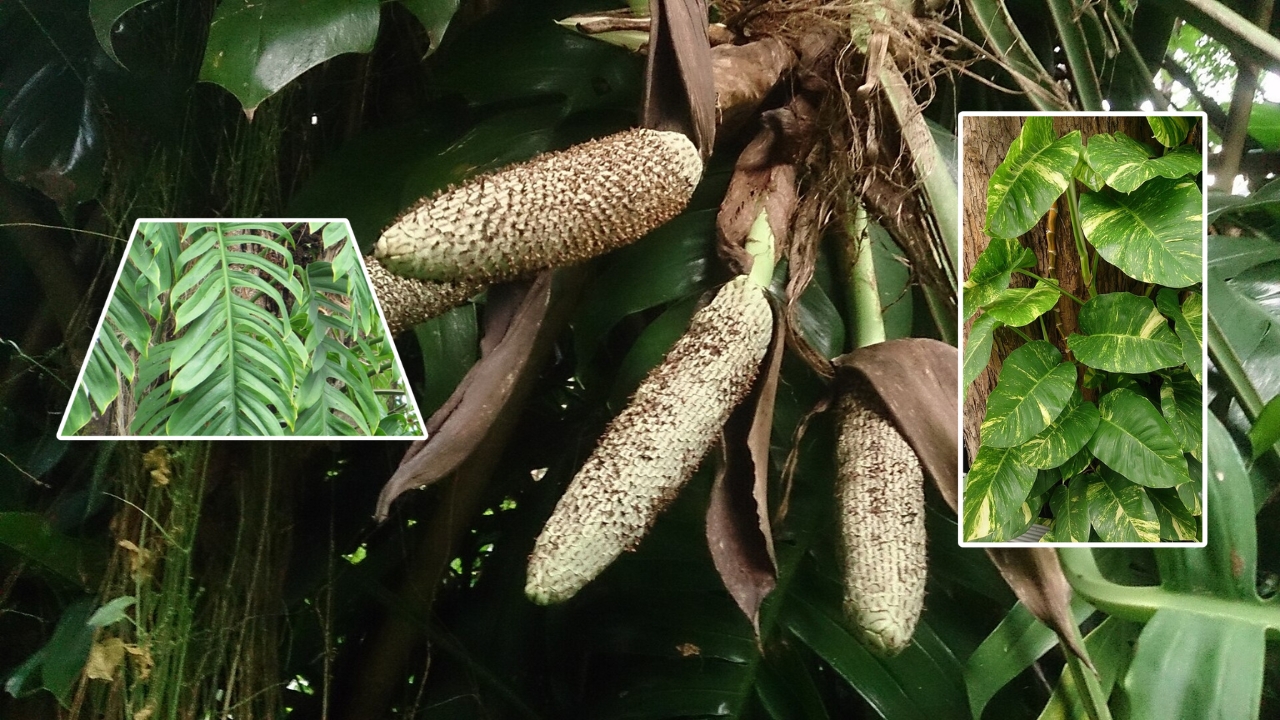
Epipremnum, commonly known as pothos or devil’s ivy, is one of the most محبوب and forgiving houseplants you can grow indoors. Native to tropical regions, these trailing vines are loved for their lush foliage, adaptability, and ability to thrive even in less-than-perfect conditions. Whether you’re a beginner or a seasoned plant enthusiast, Epipremnum offers a rewarding growing experience with minimal effort.
These plants are especially popular in indoor environments because they tolerate a wide range of light conditions and are relatively low maintenance. Their cascading vines make them perfect for hanging baskets, shelves, or even climbing structures, adding a refreshing touch of greenery to any space.
Choosing the Right Variety
There are several varieties of Epipremnum, each with unique leaf patterns and colors. Some of the most common include golden pothos, marble queen, neon pothos, and jade pothos. Golden pothos is known for its green leaves with yellow variegation, while marble queen features creamy white patterns. Neon pothos stands out with its bright lime-green foliage.
When selecting a variety, consider your indoor lighting and aesthetic preferences. Variegated types generally require slightly more light to maintain their patterns, while solid green varieties are more tolerant of lower light conditions.
Ideal Light Conditions
Epipremnum thrives best in bright, indirect light but is highly adaptable to lower light environments. Placing your plant near a window with filtered sunlight is ideal. However, avoid direct sunlight, as it can scorch the leaves and cause discoloration.
In low-light conditions, the plant will still grow, but its growth may slow down, and variegated leaves may lose their distinct patterns. If natural light is limited, you can supplement with artificial grow lights to keep your plant healthy and vibrant.
Watering Requirements
One of the most important aspects of Epipremnum care is proper watering. These plants prefer the soil to dry out slightly between waterings. Overwatering is a common mistake and can lead to root rot, which is often fatal.
A good rule of thumb is to water when the top inch of soil feels dry. Ensure that the pot has proper drainage to prevent water from accumulating at the bottom. During warmer months, you may need to water more frequently, while in cooler seasons, reduce the frequency.
Soil and Potting Needs
Epipremnum grows best in well-draining soil. A standard potting mix combined with perlite or sand works well to improve aeration and drainage. Avoid heavy soils that retain too much moisture, as this can harm the roots.
Choosing the right pot is equally important. Always use containers with drainage holes to allow excess water to escape. Repotting is typically needed every one to two years or when the plant becomes root-bound. When repotting, select a pot that is slightly larger than the current one to allow room for growth.
Temperature and Humidity
As tropical plants, Epipremnum prefers warm temperatures between 18°C and 30°C. They do not tolerate cold drafts or sudden temperature drops, so keep them away from air conditioners or open windows during winter.
While they can adapt to average indoor humidity levels, they will thrive in higher humidity. If your indoor air is dry, especially during winter, consider misting the leaves occasionally or placing a humidifier nearby. Grouping plants together can also help increase humidity naturally.
Fertilizing for Healthy Growth
To encourage lush growth, feed your Epipremnum with a balanced liquid fertilizer every four to six weeks during the growing season, which typically spans spring and summer. Avoid over-fertilizing, as it can lead to salt buildup in the soil and damage the roots.
During fall and winter, when growth slows down, reduce or stop fertilization. Always follow the recommended dosage on the fertilizer label to prevent nutrient burn.
Pruning and Maintenance
Regular pruning helps maintain the shape of your Epipremnum and encourages bushier growth. Trim long vines just above a node, as this will promote new shoots and fuller foliage.
Remove any yellowing or damaged leaves to keep the plant healthy and visually appealing. Cleaning the leaves occasionally with a damp cloth helps remove dust and allows the plant to photosynthesize more efficiently.
Propagation Techniques
One of the most enjoyable aspects of growing Epipremnum is how easy it is to propagate. You can propagate it through stem cuttings placed in water or directly in soil.
To propagate, cut a healthy vine just below a node and place it in a jar of water, ensuring the node is submerged. Within a few weeks, roots will begin to develop. Once the roots are a few inches long, you can transfer the cutting to soil.
This simple method allows you to expand your plant collection or share cuttings with friends and family.
Common Problems and Solutions
Despite its resilience, Epipremnum can face a few common issues. Yellowing leaves are often a sign of overwatering, while brown edges may indicate underwatering or low humidity. Adjust your care routine accordingly to address these problems.
Pests such as spider mites, mealybugs, and aphids can occasionally affect the plant. Regularly inspect the leaves and treat infestations with insecticidal soap or neem oil if necessary.
If the plant becomes leggy or sparse, it may not be receiving enough light. Moving it to a brighter location can help restore its fullness.
Styling and Display Ideas
Epipremnum’s trailing nature makes it a versatile decorative element in any indoor space. You can place it in hanging planters, allow it to cascade from shelves, or train it to climb a moss pole or trellis.
It also works well in offices, bedrooms, and living areas, bringing a calming and natural aesthetic. Mixing different varieties in one space can create a visually dynamic indoor garden.
Benefits of Growing Epipremnum Indoors
Beyond its beauty, Epipremnum offers several benefits. It is known for its air-purifying qualities, helping to remove toxins and improve indoor air quality. While it should not replace proper ventilation, it contributes to a healthier living environment.
Additionally, caring for indoor plants like Epipremnum can reduce stress, enhance mood, and create a sense of connection with nature, especially in urban settings.
Conclusion
Growing Epipremnum indoors is a simple yet rewarding experience. With minimal care requirements and a high tolerance for varying conditions, it is an excellent choice for anyone looking to add greenery to their home.
By providing the right balance of light, water, and occasional maintenance, you can enjoy a thriving, lush vine that enhances your indoor space for years to come. Whether you’re just starting your plant journey or expanding your collection, Epipremnum remains a timeless and dependable favorite.
