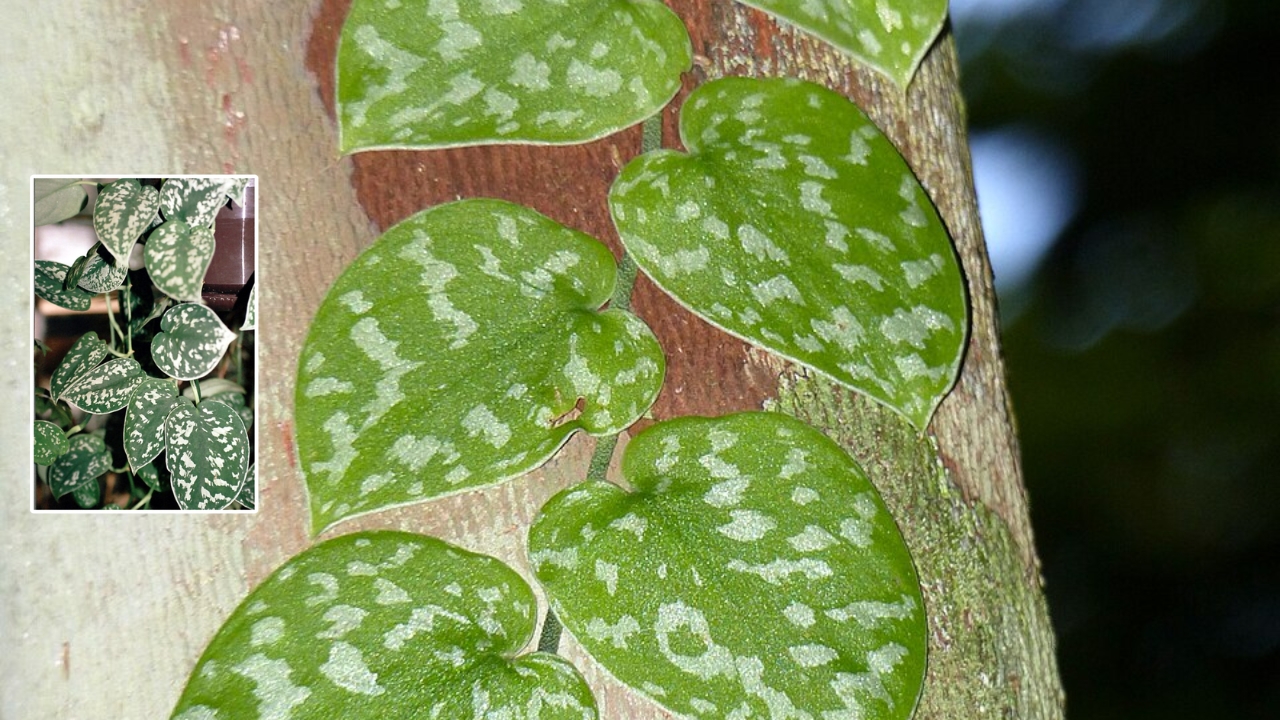
Scindapsus, often admired for its velvety leaves and trailing vines, is one of the most rewarding houseplants for both beginners and experienced plant enthusiasts. Known for its elegant foliage that often features silver or satin-like patterns, this tropical plant can transform indoor spaces into lush, calming environments. Native to Southeast Asia, Scindapsus thrives in warm, humid conditions, but it adapts surprisingly well to typical indoor settings.
Its popularity has grown rapidly due to its low-maintenance nature and striking appearance. Whether displayed in hanging baskets, trained along shelves, or allowed to cascade from planters, Scindapsus adds a touch of effortless greenery to any room.
Understanding Scindapsus Varieties
There are several varieties of Scindapsus, each with unique leaf textures and patterns. The most common is Scindapsus pictus, often called satin pothos, which features heart-shaped leaves with silvery splashes. Other varieties include ‘Exotica,’ known for its larger leaves and bold variegation, and ‘Argyraeus,’ which has smaller leaves with more delicate silver markings.
Each variety shares similar care requirements, making it easy to expand your collection without needing to adjust your care routine significantly. Choosing a variety often comes down to personal preference in leaf size, color contrast, and growth style.
Ideal Light Conditions
Scindapsus thrives best in bright, indirect light. While it can tolerate lower light conditions, its growth may slow, and the vibrant silver patterns on the leaves may become less pronounced. Placing the plant near an east- or north-facing window is typically ideal.
Direct sunlight should be avoided, as it can scorch the leaves and cause discoloration. If your space lacks natural light, Scindapsus can also adapt to artificial grow lights, making it suitable for offices or rooms with minimal windows.
Watering the Right Way
Proper watering is crucial for maintaining a healthy Scindapsus. The plant prefers slightly moist soil but does not tolerate waterlogged conditions. A good rule of thumb is to allow the top one to two inches of soil to dry out before watering again.
Overwatering is one of the most common issues and can lead to root rot. Signs of overwatering include yellowing leaves and a mushy stem base. On the other hand, underwatering may cause leaves to curl or develop dry edges. Striking the right balance ensures steady growth and vibrant foliage.
Choosing the Best Soil
Scindapsus grows best in well-draining soil that retains some moisture without becoming compacted. A high-quality indoor potting mix combined with perlite or orchid bark works well to improve aeration.
Good drainage is essential, so always use pots with drainage holes. This prevents excess water from accumulating at the roots, reducing the risk of fungal issues and root decay.
Temperature and Humidity Needs
Being a tropical plant, Scindapsus prefers warm temperatures ranging between 18°C and 30°C. It does not tolerate cold drafts or sudden temperature drops, so keep it away from air conditioners, heaters, and open windows during colder months.
Humidity plays a significant role in keeping the plant healthy. While it can adapt to average indoor humidity, higher humidity levels encourage larger leaves and more vigorous growth. You can increase humidity by misting occasionally, using a pebble tray, or placing a humidifier nearby.
Fertilizing for Healthy Growth
To support active growth, Scindapsus benefits from regular feeding during the growing season, typically spring and summer. A balanced liquid houseplant fertilizer applied once a month is usually sufficient.
During the dormant months in autumn and winter, fertilizing can be reduced or stopped altogether. Over-fertilizing should be avoided, as it can lead to salt buildup in the soil and damage the roots.
Pruning and Maintenance
Regular pruning helps maintain the plant’s shape and encourages fuller growth. Trimming long vines just above a node promotes branching and results in a bushier appearance.
Removing yellow or damaged leaves is also important for overall plant health. Clean pruning tools should always be used to prevent the spread of disease. With minimal effort, pruning can keep your Scindapsus looking vibrant and well-managed.
Propagation Made Simple
One of the most enjoyable aspects of growing Scindapsus is how easy it is to propagate. Stem cuttings can be taken just below a node and placed in water or directly into soil.
When propagating in water, roots typically begin to develop within a couple of weeks. Once the roots are well established, the cutting can be transferred to soil. This process allows you to expand your plant collection or share cuttings with friends and family.
Common Problems and Solutions
Although Scindapsus is relatively hardy, it can still encounter a few common issues. Yellowing leaves are often a sign of overwatering, while brown tips may indicate low humidity or inconsistent watering.
Pests such as spider mites and mealybugs can occasionally appear, especially in dry conditions. Regularly inspecting the leaves and wiping them clean can help prevent infestations. If pests are detected, treating the plant with insecticidal soap or neem oil is usually effective.
Styling and Display Ideas
Scindapsus is incredibly versatile when it comes to styling. Its trailing vines make it perfect for hanging planters, where the foliage can cascade beautifully. It can also be trained to climb using a moss pole or trellis, creating a vertical green feature.
Placing it on shelves or high surfaces allows the vines to drape naturally, adding depth and texture to your interior design. Its soft, silvery tones pair well with both modern and traditional decor styles.
Benefits of Growing Scindapsus Indoors
Beyond its aesthetic appeal, Scindapsus offers several practical benefits. Like many houseplants, it contributes to improved indoor air quality by helping to filter pollutants. It also creates a calming atmosphere, which can enhance focus and reduce stress.
Its low-maintenance nature makes it an excellent choice for busy individuals or those new to plant care. With minimal effort, it continues to thrive and bring life to indoor spaces.
Final Thoughts on Scindapsus Care
Growing Scindapsus successfully comes down to understanding its basic needs: bright indirect light, moderate watering, well-draining soil, and a warm, humid environment. Once these conditions are met, the plant rewards you with steady growth and stunning foliage.
Whether you are starting your plant journey or adding to an existing collection, Scindapsus is a reliable and visually striking choice. With a little attention and care, it can flourish for years, becoming a standout feature in your indoor garden.
