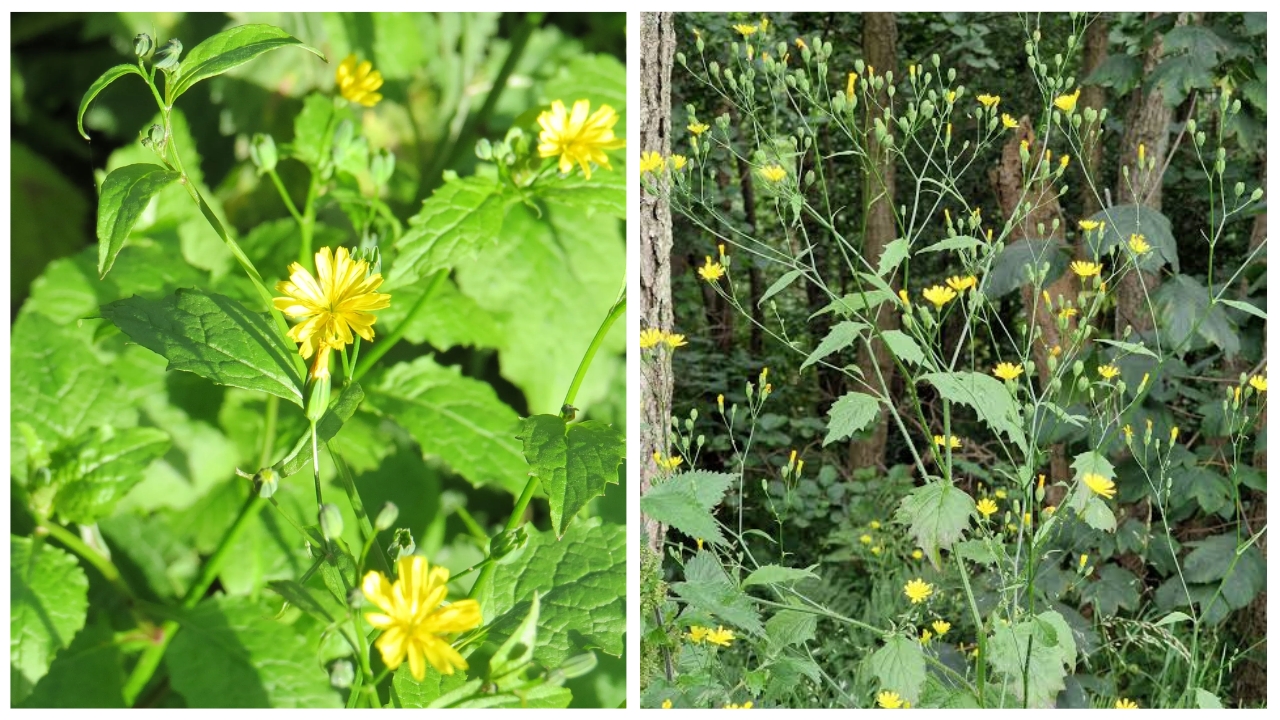
Nipplewort is a hardy wild plant that belongs to the daisy family and is commonly found growing along roadsides, woodland edges, hedgerows, gardens, and other disturbed areas. Its botanical name is Lactuca virosa, and it is sometimes confused with other wild lettuce species because of its leafy appearance. Before growing or eating any wild plant, accurate identification is essential, as several unrelated species can look similar.
Nipplewort is valued mainly for its young leaves, which can be used as a wild edible green when correctly identified and harvested at the appropriate stage. It is naturally adaptable and does not require the intensive care that many cultivated vegetables need. For gardeners interested in edible wild plants, it can be an interesting addition to a natural or low-maintenance garden.
Choosing the Right Growing Location
The first step in growing nipplewort successfully is choosing a suitable location. The plant generally performs well in areas that receive plenty of natural light, although it can tolerate some partial shade. A spot with several hours of sunlight each day encourages healthy leafy growth and helps prevent the plant from becoming weak and stretched.
Nipplewort can grow in a variety of environments, particularly in open ground and areas where the soil has been disturbed. A garden border, wildflower section, woodland edge, or informal herb garden can provide an appropriate setting. Avoid locations exposed to contaminated soil, roadside pollution, or chemical treatments if you intend to harvest the leaves for consumption.
Preparing the Soil
Nipplewort is not especially demanding about soil, but good drainage is important. Heavy, constantly wet soil can create poor growing conditions and may encourage root problems. Before planting, loosen the soil to a depth of several inches and remove large stones, weeds, and compacted material.
A moderately fertile soil containing organic matter is ideal. Adding well-rotted compost can improve soil structure while providing a gentle supply of nutrients. There is generally no need to create an extremely rich growing medium because excessive fertility can encourage soft, rapid growth rather than the sturdy development associated with naturally growing plants.
Starting Nipplewort From Seed
Growing nipplewort from seed is the most practical approach when you want to establish it deliberately in a garden. Seeds can be sown directly into prepared soil. Scatter them thinly across the surface and press them gently into the soil rather than burying them deeply.
The planting area should remain lightly moist while the seeds are establishing. Avoid flooding the soil, as excessive moisture can interfere with germination and encourage fungal problems. Once seedlings emerge, allow them enough space to develop without excessive competition.
Because wild plants can germinate unevenly, patience is useful. Some seeds may emerge sooner than others depending on temperature, moisture, soil conditions, and natural dormancy.
Caring for Young Plants
Young nipplewort plants require relatively little maintenance once they become established. During the early growth stage, water when the upper layer of soil begins to dry. The goal is to maintain consistent moisture without keeping the roots saturated.
Remove aggressive weeds around the seedlings so they have access to light, water, and nutrients. Once the plants become larger, they can compete more effectively with surrounding vegetation. A thin layer of organic mulch can help retain moisture and reduce weed growth, although it should not be piled directly against the stems.
Providing Sunlight and Moisture
Nipplewort generally benefits from bright conditions and moderate moisture. In a garden setting, morning or afternoon sunlight can provide enough energy for steady growth. Plants grown in partial shade may remain productive, although their growth can be somewhat slower.
Watering requirements depend heavily on climate and soil. During periods of regular rainfall, additional irrigation may not be necessary. In dry weather, provide a thorough watering when the soil becomes noticeably dry. Deep, occasional watering is usually more useful than frequent shallow watering because it encourages stronger root development.
Managing Plant Growth
Nipplewort can grow readily once established, particularly in favorable conditions. Regular observation helps prevent it from spreading into areas where it is not wanted. If you are cultivating it specifically for edible leaves, harvesting young foliage can naturally help manage its size.
Allowing some plants to mature and produce seed can help maintain a continuing population, but gardeners should consider their local environment before allowing a wild plant to spread freely. Removing unwanted plants before they set seed is an easy way to maintain control.
Fertilizing Nipplewort
In most garden soils, nipplewort does not require heavy feeding. If the soil has already been improved with compost, additional fertilizer may not be necessary. Overfertilizing a wild edible plant can result in unnecessary leafy growth and may alter its natural development.
If the plant appears weak because the soil is extremely poor, a small amount of balanced organic fertilizer can be used during active growth. However, maintaining healthy soil with compost and organic matter is generally a better long-term strategy than repeatedly applying concentrated fertilizer.
Protecting Plants From Pests and Diseases
Nipplewort is generally a resilient plant, but young growth can still attract common garden pests such as aphids, caterpillars, and other leaf-feeding insects. Regularly checking the undersides of leaves makes it easier to notice problems early.
Good air circulation and well-drained soil can reduce the risk of fungal diseases. Avoid excessive watering and remove badly damaged leaves when necessary. Chemical pesticides should be avoided if the plant is being grown for food, especially close to harvest time.
When to Harvest Nipplewort
The best time to harvest edible nipplewort foliage is generally when the leaves are young and tender. Older leaves can become tougher and may develop a stronger or more bitter flavor. Harvesting early also encourages the plant to produce additional leafy growth.
Use clean scissors or garden shears to remove individual leaves or tender shoots. Avoid taking too much from one plant at once. Leaving enough healthy foliage allows the plant to continue photosynthesizing and recovering after harvest.
Only harvest plants that have been positively identified and grown in a clean location. Never collect edible leaves from areas treated with herbicides, pesticides, roadside chemicals, animal waste, or other contaminants.
How to Use Fresh Nipplewort Leaves
Young leaves of correctly identified nipplewort can be treated as a wild green. They may be incorporated into salads, cooked as a leafy vegetable, or added to soups and other dishes. Cooking can soften tougher foliage and is often preferable when leaves are more mature.
Start with small quantities when trying an unfamiliar edible plant. Individual tolerance can vary, and traditional use does not guarantee that a plant is suitable for everyone. Pregnant or breastfeeding individuals, children, and people taking medications should seek appropriate professional advice before consuming unfamiliar wild plants.
Saving Seeds for Future Growth
If you want to maintain nipplewort in a designated growing area, allowing a few healthy plants to complete their natural life cycle can provide seeds for future planting. Mature seed heads should be monitored carefully because seeds can disperse naturally once they become fully developed.
Collect mature seeds during dry weather and store them in a cool, dry place in a clearly labeled container. Keeping seeds dry is particularly important because moisture can reduce viability and encourage mold. Sow saved seeds during an appropriate growing period for your local climate.
Common Growing Problems
One common problem is poor germination. This can happen when seeds are buried too deeply, the soil becomes too dry, or environmental conditions are unsuitable. Sowing seeds shallowly and keeping the soil lightly moist can improve establishment.
Yellowing leaves may indicate excessive moisture, poor drainage, nutrient imbalance, or another environmental problem. If plants become tall and weak, insufficient light may be contributing to the issue. Moving future plantings to a brighter location can help produce stronger growth.
Another issue is premature flowering. Wild greens often shift from producing tender leaves to reproductive growth as plants mature or environmental conditions change. Harvesting young leaves regularly can help you make the most of the plant before the foliage becomes tougher.
Growing Nipplewort in Containers
Nipplewort can also be grown in containers if you want greater control over the growing environment. Choose a container with drainage holes and fill it with a loose, well-draining potting mixture. A container that provides enough root space will support healthier growth than a very small pot.
Place the container where the plant receives good natural light. Water when the surface of the growing medium begins to dry, but do not allow the container to remain waterlogged. Container-grown plants may need slightly more frequent watering than plants growing directly in the ground because pots dry out faster.
Creating a Natural Wild-Green Garden
Nipplewort can fit naturally into a garden designed around edible wild plants, herbs, and low-maintenance vegetation. Rather than treating every wild plant as a weed, gardeners can dedicate a specific section to useful species and observe how they respond to local conditions.
Combining nipplewort with other compatible plants can create a more natural habitat for beneficial insects while reducing the need for intensive maintenance. Keeping edible plants away from treated lawns, busy roads, and areas exposed to pollutants is particularly important when the harvest is intended for the kitchen.
Final Tips for Successful Nipplewort Growing
Growing nipplewort is relatively straightforward because the plant is naturally adapted to a wide range of conditions. Provide a reasonably fertile, well-drained soil, adequate light, moderate moisture, and occasional weed control, and the plant can establish with little effort.
The most important consideration is identification and safe harvesting. Because wild plants can resemble one another, never consume a plant unless you are completely confident about its identity. Harvest young, healthy foliage from clean growing areas and avoid plants exposed to chemicals or pollution.
With careful cultivation and responsible harvesting, nipplewort can be an interesting addition to a garden focused on wild edibles and naturally adaptable plants. Its simple growing requirements make it suitable for gardeners who want to explore less-common leafy plants while maintaining a relatively low-maintenance growing space.
