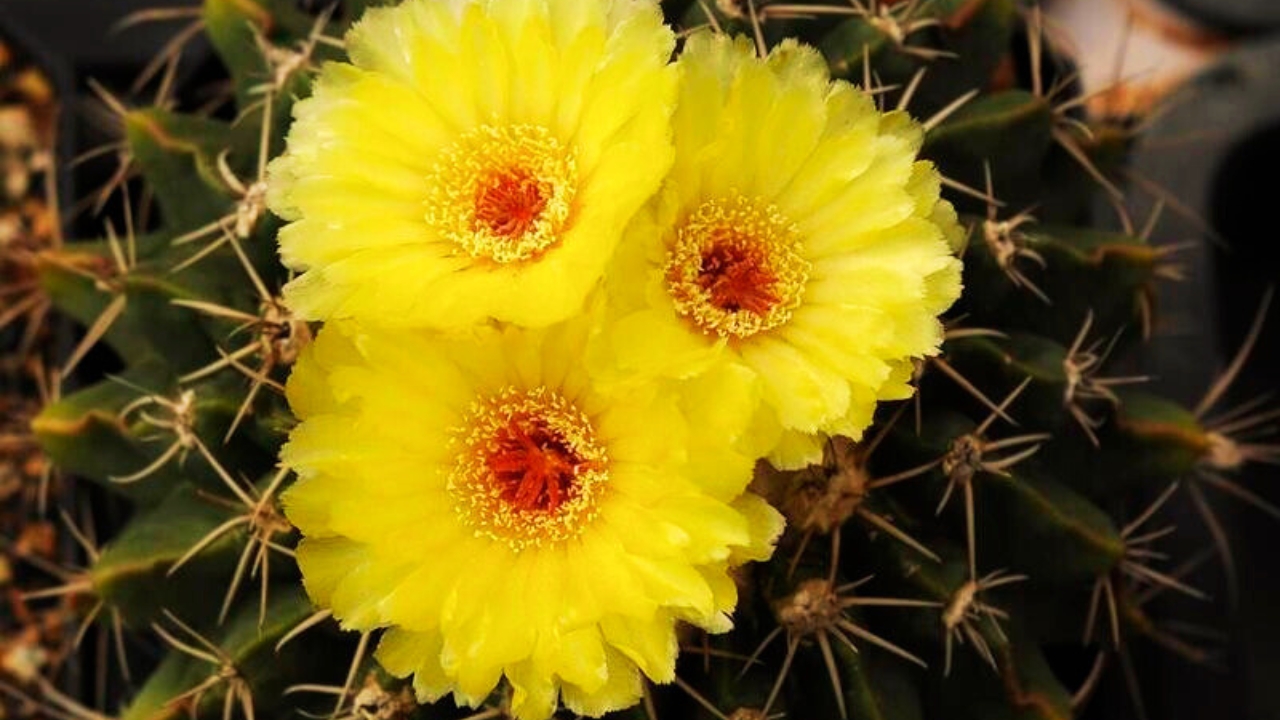
Wigginsia is a small but highly attractive cactus genus loved by collectors for its round shape, colorful flowers, and relatively easy maintenance. Native to South America, especially regions of Uruguay and southern Brazil, these cacti thrive in warm, dry conditions and adapt well to indoor growing environments. Their compact size makes them perfect for windowsills, balconies, terrariums, and cactus collections.
Most Wigginsia species develop globular stems with pronounced ribs lined by clusters of fine spines. During the blooming season, they produce vibrant yellow flowers that emerge from the crown, creating a striking contrast against the green body of the plant. Because of their manageable size and low-maintenance nature, Wigginsia plants are ideal for both beginners and experienced cactus growers.
Although they are hardy plants, proper care is still important to keep them healthy, encourage flowering, and prevent issues like rot or pest infestations. Understanding their natural habitat can help recreate the right growing conditions at home.
Choosing the Right Location for Healthy Growth
Wigginsia cacti love bright light and warm temperatures. A location with plenty of sunlight is one of the most important factors for healthy growth. Indoors, placing the plant near a south-facing or west-facing window usually works best. The cactus should receive at least four to six hours of bright sunlight daily.
If the plant does not get enough light, it may become stretched or lose its compact rounded shape. This condition, known as etiolation, weakens the cactus and reduces flowering potential. On the other hand, intense direct sunlight during extreme summer afternoons can occasionally scorch young plants, especially if they were previously grown in shade. Gradually introducing the cactus to stronger sunlight helps prevent stress.
Outdoor growing is also possible in warm climates where frost is minimal. During spring and summer, many gardeners move their Wigginsia outdoors to encourage stronger growth and better blooms. A sheltered patio, balcony, or sunny garden spot works well as long as rainwater does not accumulate around the roots.
Temperature also plays an important role. Wigginsia prefers temperatures between 18°C and 30°C during the growing season. In winter, cooler temperatures around 10°C to 15°C help the plant enter dormancy, which often improves flowering the following year.
Best Soil Mix for Wigginsia Plants
Like most cacti, Wigginsia requires fast-draining soil to prevent root rot. Heavy garden soil or regular potting mixes that retain moisture for long periods are unsuitable. The ideal cactus soil should allow water to drain quickly while still providing enough support and nutrients.
A commercial cactus or succulent mix works well for most growers. However, many experienced cactus enthusiasts prefer creating their own blend. A simple homemade mix can include coarse sand, pumice, perlite, and a small amount of organic potting soil. The goal is to maintain excellent aeration around the roots.
The pot itself is equally important. Containers with drainage holes are essential because standing water is one of the biggest dangers to cacti. Terracotta pots are especially beneficial because they allow moisture to evaporate more quickly than plastic containers.
Repotting is generally needed every two to three years or when the cactus outgrows its container. During repotting, inspect the roots carefully and remove any damaged or rotten sections before placing the plant into fresh soil.
How to Water Wigginsia Correctly
Proper watering is often the difference between a thriving cactus and a dying one. Wigginsia stores water in its stem, which means it can tolerate periods of drought far better than excessive moisture.
During the active growing season in spring and summer, water thoroughly only when the soil becomes completely dry. Instead of giving small amounts frequently, soak the soil deeply and allow excess water to drain out fully. This approach encourages healthier root development.
The frequency of watering depends on temperature, humidity, pot size, and soil type. In hot weather, watering may be needed every one to two weeks, while cooler indoor environments may require less frequent watering.
During autumn and winter, watering should be drastically reduced. Since the cactus enters a dormant phase, excess moisture during this period can quickly lead to root rot. In colder months, many growers water only once every four to six weeks or stop watering almost entirely if temperatures remain cool.
Overwatering symptoms include soft stems, discoloration, mushy spots, and unpleasant odors from the soil. Underwatered plants may appear slightly shriveled, but they usually recover once properly hydrated.
Fertilizing for Stronger Growth and Flowers
Although Wigginsia cacti are not heavy feeders, occasional fertilizing can improve growth and flowering performance. During the growing season, use a diluted cactus fertilizer once every four to six weeks.
A fertilizer low in nitrogen and higher in phosphorus and potassium is generally preferred. Too much nitrogen can encourage weak, overly soft growth that becomes vulnerable to disease and rot.
Liquid fertilizers diluted to half strength are usually safest for cacti. Apply fertilizer only to moist soil, never to completely dry roots, as this can cause damage.
Fertilizing should stop during the winter dormancy period because the plant is not actively growing at that time.
Common Problems and How to Prevent Them
Wigginsia plants are relatively resilient, but they can still experience common cactus problems if growing conditions are poor.
Root rot is the most serious issue and is usually caused by overwatering or poorly draining soil. Prevention is much easier than treatment, so always prioritize proper drainage and cautious watering practices.
Pests such as mealybugs, spider mites, and scale insects can occasionally attack the plant. Mealybugs often appear as small white cotton-like clusters around the ribs or roots. Spider mites may leave fine webbing and cause discoloration on the cactus surface.
Inspect the plant regularly and isolate infected plants if pests appear. Mild infestations can often be treated using cotton swabs dipped in rubbing alcohol or insecticidal soap suitable for succulents and cacti.
Fungal diseases may also occur in humid environments with poor airflow. Keeping the cactus in a well-ventilated location and avoiding water sitting on the body of the plant helps reduce fungal problems.
How to Propagate Wigginsia Successfully
Propagating Wigginsia can be a rewarding experience for cactus enthusiasts. Depending on the species, propagation may be done through seeds or offsets.
Growing from seed requires patience but offers the opportunity to raise many plants at once. Fresh seeds generally germinate best. Use a shallow tray filled with sterile cactus soil and lightly scatter the seeds across the surface. Keep the soil slightly moist but never soggy during germination.
Warm temperatures and indirect bright light encourage successful sprouting. Germination can take anywhere from several days to a few weeks depending on the species and environmental conditions.
Some Wigginsia varieties also produce offsets or small pups around the base of the main plant. These offsets can be carefully removed using a clean knife. Allow the cut surface to dry and callus for a few days before planting it in dry cactus soil.
Avoid watering newly planted offsets immediately. Waiting several days helps reduce the risk of rot while new roots begin to form.
Encouraging Blooming and Long-Term Health
Healthy Wigginsia cacti reward growers with beautiful flowers, but blooming often depends on proper seasonal care. One of the most important factors is providing a cool and relatively dry winter rest period.
During winter dormancy, lower temperatures and reduced watering signal the plant to prepare for flowering in spring or summer. Without this resting period, some cacti may fail to bloom consistently.
Adequate sunlight throughout the year is also essential. Plants grown in insufficient light may survive, but flowering will often be limited or absent entirely.
Long-term health also depends on routine observation. Regularly checking the cactus for signs of stress, pests, or overwatering allows problems to be corrected before serious damage occurs.
With the right balance of sunlight, careful watering, proper soil, and seasonal care, Wigginsia cacti can thrive for many years while producing stunning flowers and maintaining their beautiful compact form.
