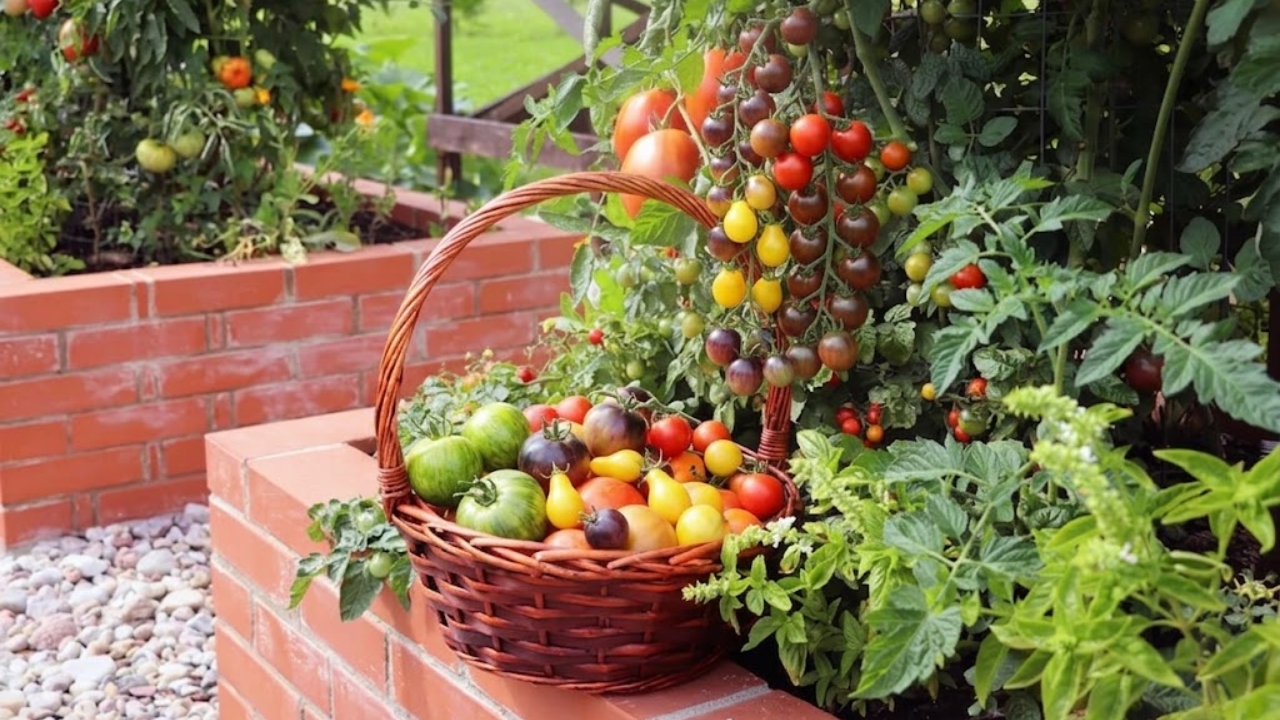
Raised bed gardening has become increasingly popular among home gardeners for good reason. These elevated planting areas offer better soil control, improved drainage, reduced weed growth, and easier maintenance compared to traditional in-ground gardens. Whether you have a spacious backyard or a compact outdoor area, raised beds provide an efficient and organized way to grow healthy plants.
One of the biggest advantages of raised beds is the ability to customize the soil. Gardeners can create nutrient-rich conditions that encourage stronger root systems and higher yields. The loose soil structure also improves aeration and allows roots to spread more freely. In addition, raised beds warm up faster during spring, extending the growing season for many crops.
However, not every plant performs equally well in raised beds. Some plants thrive in the controlled environment and make excellent use of the space, while others may struggle due to size or root depth. Choosing the right plants is the key to creating a productive and visually appealing raised bed garden.
Tomatoes
Tomatoes are among the best plants to grow in raised beds because they thrive in warm, well-drained soil. Raised beds allow gardeners to control moisture levels more effectively, helping prevent common tomato problems such as root rot and fungal diseases. The soil in raised beds also heats up faster, which tomatoes love during the growing season.
Indeterminate tomato varieties especially benefit from the extra airflow and support structures that can easily be installed in raised beds. Gardeners can use cages, stakes, or trellises to maximize vertical space and keep fruit off the soil. Compact determinate varieties are also excellent for smaller raised beds.
To achieve the best results, tomatoes should receive at least six to eight hours of direct sunlight daily. Regular watering and consistent feeding with compost or balanced fertilizer will encourage healthy growth and abundant fruit production throughout the season.
Lettuce
Lettuce grows exceptionally well in raised beds because it prefers loose, moist soil and cool growing conditions. The improved drainage of raised beds prevents waterlogging while still allowing gardeners to maintain the even moisture levels lettuce requires.
Another advantage is easier succession planting. Since lettuce matures quickly, gardeners can harvest one crop and immediately replant another in the same raised bed. This allows for continuous harvests during spring and fall.
Raised beds also make it easier to protect lettuce from pests such as slugs and snails. Gardeners can install lightweight covers or netting with minimal effort. Different lettuce varieties, including romaine, butterhead, and leaf lettuce, can be planted together to create an attractive and productive garden display.
Carrots
Carrots are perfectly suited for raised beds because they require loose, stone-free soil for proper root development. In compacted ground soil, carrots often become misshapen or stunted. Raised beds eliminate many of these issues by providing soft, deep soil that allows roots to grow straight and long.
The controlled soil environment also helps maintain the sandy texture carrots prefer. Gardeners can mix compost and fine soil to create ideal growing conditions without worrying about heavy clay or rocky ground.
Since carrots are root vegetables, consistent watering is essential for preventing splitting and bitterness. Raised beds simplify irrigation management and reduce competition from weeds. Shorter carrot varieties are especially useful in shallow beds, while deeper raised beds can support longer heirloom types.
Peppers
Peppers thrive in raised beds because they enjoy warm soil, excellent drainage, and consistent growing conditions. Whether growing sweet bell peppers or spicy chili peppers, raised beds provide the stable environment these heat-loving plants need.
The improved airflow around pepper plants can reduce the risk of fungal diseases, especially in humid climates. Raised beds also make it easier to space plants properly, ensuring good light exposure and healthy fruit production.
Peppers benefit from nutrient-rich soil with plenty of organic matter. Adding compost before planting can significantly improve growth and yield. Mulching around pepper plants helps retain moisture and regulate soil temperature during hot summer months.
With proper care, peppers can produce continuously throughout the growing season, making them one of the most rewarding raised bed crops.
Spinach
Spinach is another excellent choice for raised beds due to its shallow root system and preference for fertile, moisture-retentive soil. Raised beds allow gardeners to create the cool, nutrient-rich environment spinach needs for rapid growth.
Because spinach matures quickly, it works well in intensive planting systems often used in raised beds. Gardeners can grow spinach between slower-growing crops or rotate it with seasonal vegetables throughout the year.
Raised beds also make it easier to protect spinach from excessive heat, which can cause bolting. Shade cloths or companion planting techniques can help extend the harvest season. Frequent harvesting of outer leaves encourages continuous production and keeps plants healthy.
Cucumbers
Cucumbers perform remarkably well in raised beds, especially when grown vertically. Trellising cucumbers saves space, improves airflow, and keeps fruit clean and easy to harvest. Raised beds support this vertical gardening approach effectively.
The warm soil conditions in raised beds encourage faster cucumber growth and earlier harvests. Since cucumbers require consistent moisture, the controlled environment of raised beds helps maintain stable watering conditions while still preventing water accumulation around the roots.
Bush cucumber varieties are ideal for compact raised beds, while vining types can be trained upward using sturdy supports. Regular harvesting encourages plants to continue producing throughout the season.
Companion planting cucumbers with herbs or flowers can also help attract pollinators and deter pests naturally.
Radishes
Radishes are one of the easiest and fastest-growing vegetables for raised beds. Their short growing cycle makes them perfect for beginner gardeners and for filling empty spaces between slower-maturing plants.
Loose raised bed soil allows radishes to develop smooth, round roots without obstruction. They can be planted densely and harvested within just a few weeks, making them ideal for succession planting.
Radishes prefer cooler temperatures and moderate moisture levels. Raised beds provide excellent drainage while still allowing gardeners to maintain the moisture needed for tender, flavorful roots.
These vegetables are also useful for marking rows of slower-germinating crops such as carrots. Since radishes mature quickly, they can be harvested before neighboring plants require additional space.
Herbs
Many herbs thrive in raised beds because they enjoy well-drained soil and easy access to sunlight. Popular herbs such as basil, parsley, thyme, oregano, cilantro, and chives all adapt beautifully to raised bed gardening.
Growing herbs in raised beds keeps them organized and easily accessible for harvesting. The improved soil quality enhances flavor and encourages vigorous growth. Since herbs generally require less space than larger vegetables, gardeners can grow multiple varieties together in a single bed.
Raised beds also simplify weed management, which is especially important for delicate herbs. Some herbs, like mint, can spread aggressively, so containing them within a raised structure helps control their growth.
Fresh herbs not only improve meals but also attract beneficial insects and pollinators to the garden.
Beans
Beans are highly productive plants that thrive in raised bed gardens. Both bush beans and pole beans grow well in the loose, nutrient-rich soil found in raised beds. Pole beans are particularly useful for vertical gardening, helping maximize limited space.
Beans also improve soil health by fixing nitrogen, which benefits neighboring plants and future crops. This natural soil enrichment makes beans a valuable addition to crop rotation plans.
Raised beds help maintain the even moisture beans require for steady growth. Since beans dislike compacted soil, the loose texture of raised beds encourages stronger root systems and better yields.
Regular harvesting keeps bean plants productive throughout the growing season. Gardeners often enjoy abundant harvests from relatively small planting areas.
Tips for Success With Raised Bed Gardening
Choosing the right plants is only part of creating a thriving raised bed garden. Proper planning and maintenance are equally important for long-term success. Start by selecting high-quality soil rich in compost and organic matter. Healthy soil creates the foundation for vigorous plant growth.
Spacing is another important factor. Raised beds can become overcrowded quickly if plants are placed too close together. Proper spacing improves airflow, reduces disease risk, and allows plants to access sufficient sunlight and nutrients.
Consistent watering is essential because raised beds tend to dry out faster than ground-level gardens. Installing drip irrigation or soaker hoses can simplify watering and improve efficiency.
Mulching around plants helps conserve moisture, regulate soil temperature, and suppress weeds. Organic mulch materials such as straw or shredded leaves gradually improve soil quality as they decompose.
Crop rotation also plays an important role in maintaining healthy raised beds. Avoid planting the same crop family in the same location year after year to reduce pests and soil-borne diseases.
Creating a Productive and Beautiful Raised Bed Garden
Raised beds offer one of the most efficient and rewarding ways to grow vegetables, herbs, and other edible plants at home. By selecting crops that thrive in these controlled environments, gardeners can enjoy healthier plants, easier maintenance, and higher yields throughout the growing season.
Tomatoes, lettuce, carrots, peppers, spinach, cucumbers, radishes, herbs, and beans all perform exceptionally well in raised beds because they benefit from loose soil, improved drainage, and better growing conditions. With proper planning, regular care, and smart plant selection, even beginner gardeners can create a flourishing raised bed garden that produces fresh, delicious harvests year after year.
