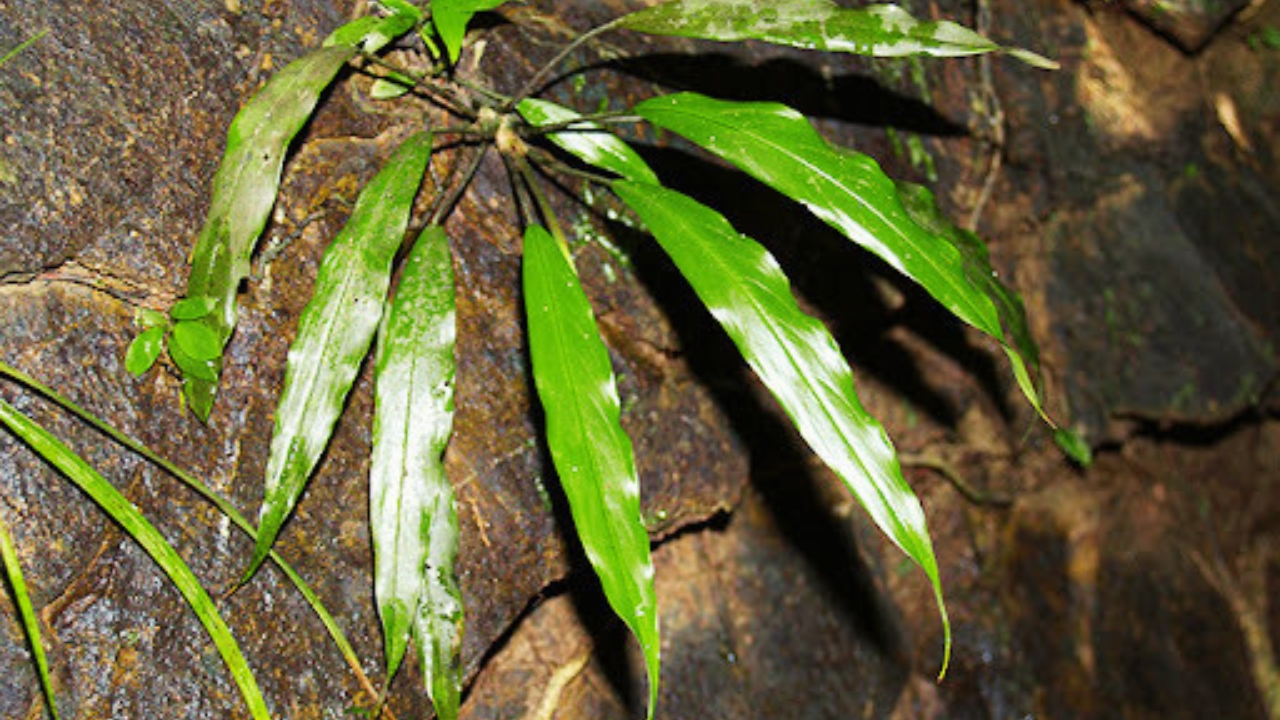
Schottarum is a fascinating tropical plant admired for its striking foliage, exotic appearance, and relatively manageable care requirements. Plant enthusiasts are increasingly adding this rare beauty to indoor collections because of its unique leaf structure and lush green presence. Although it may appear delicate at first glance, Schottarum can thrive successfully when provided with the right environment, watering routine, and maintenance.
Growing Schottarum indoors or in a greenhouse setting offers plant lovers an opportunity to cultivate something unusual and visually rewarding. Like many tropical plants, it prefers warmth, humidity, and stable conditions. Understanding its natural habitat is the key to helping it flourish in a home environment. With proper care, Schottarum develops healthy roots, vibrant leaves, and steady growth throughout the year.
This guide covers everything you need to know about growing Schottarum successfully, including lighting, watering, humidity, soil requirements, propagation methods, fertilization, pruning, pest management, and common growing problems.
Understanding the Schottarum Plant
Schottarum belongs to the tropical aroid family and is appreciated mainly for its ornamental foliage. The plant naturally grows in humid rainforest conditions where filtered sunlight, rich organic soil, and consistent moisture support its development. Because of this origin, Schottarum adapts best to indoor environments that mimic tropical conditions.
Its leaves are often broad, glossy, and deeply textured, giving the plant a dramatic appearance. Depending on the variety, foliage color may range from deep green to slightly silver-toned shades. Mature plants can become impressive statement pieces when grown under ideal conditions.
Although Schottarum is considered somewhat rare compared to common houseplants, it follows many care patterns similar to philodendrons, alocasias, and other tropical foliage plants. Once growers understand its environmental preferences, maintaining healthy growth becomes much easier.
Ideal Light Conditions for Schottarum
Proper lighting plays a major role in maintaining healthy Schottarum growth. This plant thrives best in bright indirect light. Direct sunlight, especially during hot afternoon hours, can scorch the leaves and cause fading or dry brown patches. On the other hand, insufficient light may slow growth and reduce leaf size.
A position near an east-facing or north-facing window usually works well indoors. If placed near a south-facing window, using sheer curtains helps diffuse intense sunlight. Artificial grow lights can also support healthy growth when natural lighting is limited.
One of the signs of correct lighting is vibrant foliage with steady new leaf production. If the plant begins stretching toward the light source or producing smaller leaves, it may need brighter conditions.
Rotating the pot every few weeks ensures even growth and prevents the plant from leaning to one side.
Best Soil Mix for Healthy Growth
Schottarum prefers loose, well-draining soil rich in organic matter. Heavy compacted soil can suffocate roots and lead to root rot, which is one of the most common problems for tropical plants.
An ideal potting mix should retain some moisture while allowing excess water to drain quickly. A combination of peat moss or coco coir, orchid bark, perlite, and compost creates a balanced growing medium. This mixture promotes healthy root aeration while maintaining enough moisture for tropical growth.
Adding charcoal or coarse sand can further improve drainage. Containers should always include drainage holes to prevent standing water at the bottom of the pot.
Repotting is generally needed every one to two years, especially when roots begin circling the pot or emerging through drainage holes. Choosing a slightly larger container encourages continued growth without overwhelming the root system.
Watering Requirements
Watering Schottarum correctly is essential for maintaining healthy roots and foliage. The plant enjoys evenly moist soil but dislikes being waterlogged. Overwatering can quickly lead to root rot, fungal issues, and yellowing leaves.
The best approach is to water when the top inch of soil feels slightly dry. During active growing seasons such as spring and summer, Schottarum may require more frequent watering. In cooler months, growth slows naturally, reducing the plant’s water needs.
Filtered or room-temperature water is often preferable, especially in areas with heavily chlorinated tap water. Watering deeply until excess moisture drains from the bottom of the pot helps ensure the entire root system receives hydration.
Signs of underwatering include drooping leaves, dry soil, and crispy leaf edges. Overwatering symptoms often appear as yellow leaves, mushy stems, or unpleasant soil odor.
Consistency is more important than strict schedules because indoor temperatures and humidity levels vary throughout the year.
Humidity and Temperature Needs
Since Schottarum originates from tropical regions, humidity is one of the most important factors for successful growth. Dry indoor air can cause leaf browning, curling, and slowed development.
Ideally, humidity levels should remain above 60 percent. Many growers achieve this by using humidifiers, pebble trays, or grouping tropical plants together. Bathrooms and kitchens with naturally higher humidity can also provide suitable conditions if lighting is adequate.
Temperature stability is equally important. Schottarum thrives in temperatures between 18°C and 28°C. Cold drafts, sudden temperature changes, and exposure below 15°C may stress the plant and damage foliage.
Keeping the plant away from air conditioners, heaters, and drafty windows helps maintain a stable environment. Tropical plants generally perform best in warm, protected indoor spaces with moderate airflow.
Fertilizing Schottarum Properly
Regular feeding supports strong foliage production and healthy root growth. During spring and summer, Schottarum benefits from balanced liquid fertilizer applied every four to six weeks.
A diluted houseplant fertilizer containing balanced nitrogen, phosphorus, and potassium is usually sufficient. Overfertilizing should be avoided because excess salts may damage roots and cause leaf burn.
Organic fertilizers such as compost tea, worm castings, or fish emulsion can also support healthy growth naturally. During autumn and winter, fertilizer applications should be reduced or paused because plant growth slows significantly.
Healthy fertilization habits encourage larger leaves, vibrant color, and consistent growth throughout the active season.
Propagation Methods
Propagating Schottarum is an exciting way to expand your collection or share the plant with others. The most reliable propagation method is division during repotting.
Carefully remove the plant from its container and gently separate sections with healthy roots and stems attached. Each division should contain at least one strong growth point. After separation, plant each section in fresh well-draining soil and water lightly.
Propagation works best during spring or early summer when the plant is actively growing. Newly divided plants should remain in warm, humid conditions until they establish fresh roots.
Some growers also experiment with stem cuttings if the plant variety produces suitable nodes. However, division remains the easiest and most dependable method for maintaining healthy offspring.
Patience is important because newly propagated Schottarum may take several weeks to show visible new growth.
Common Problems and Solutions
Like many tropical plants, Schottarum can experience several common issues when environmental conditions are unsuitable.
Yellow leaves are often linked to overwatering or poor drainage. Allowing the soil to dry slightly between waterings usually corrects the problem. Brown crispy edges typically indicate low humidity or underwatering.
Slow growth may result from inadequate light, nutrient deficiency, or root congestion. Evaluating the plant’s environment carefully helps identify the cause.
Pests such as spider mites, mealybugs, fungus gnats, and scale insects occasionally affect Schottarum. Regular inspection of leaves, especially undersides, helps catch infestations early. Wiping foliage with neem oil or insecticidal soap usually controls minor pest problems effectively.
Root rot is one of the most serious issues and is usually caused by consistently soggy soil. Removing damaged roots and repotting in fresh well-draining soil may save the plant if treated early.
Healthy airflow, proper watering, and clean growing conditions significantly reduce the risk of disease and pests.
Pruning and Maintenance
Routine maintenance keeps Schottarum attractive and encourages healthy development. Removing damaged, yellow, or dying leaves allows the plant to direct energy toward new growth.
Clean pruning shears should always be used to prevent disease transmission. Dusting leaves occasionally also improves photosynthesis and keeps foliage glossy and vibrant.
As the plant matures, some varieties may require support stakes or moss poles for stability. Monitoring growth patterns helps determine when structural support becomes necessary.
Repotting, pruning, and occasional soil refreshing contribute to long-term plant health and sustained growth.
Tips for Faster and Healthier Growth
Providing stable tropical conditions is the secret to growing Schottarum successfully. Consistent warmth, humidity, and bright indirect light encourage vigorous foliage production.
Avoid constantly moving the plant because environmental changes can stress tropical species. Monitoring moisture carefully rather than watering on a fixed schedule improves root health significantly.
Using rainwater or filtered water may enhance growth in sensitive plants. Regular cleaning, pest inspection, and seasonal fertilization further support healthy development.
Patience also plays an important role. Schottarum may grow steadily rather than rapidly, but with proper care it eventually develops into an impressive ornamental plant with lush tropical character.
Conclusion
Schottarum is a rewarding tropical plant that combines exotic beauty with manageable indoor care requirements. While it does require attention to humidity, watering, and lighting, the plant responds well when its natural environment is recreated indoors.
By using well-draining soil, maintaining stable warmth, providing bright indirect light, and watering carefully, growers can enjoy healthy foliage and long-term success. Propagation through division allows enthusiasts to expand their collection while maintaining vigorous plants.
With consistent care and patience, Schottarum can become a stunning centerpiece in any indoor plant collection, offering lush greenery and a unique tropical aesthetic year-round.
