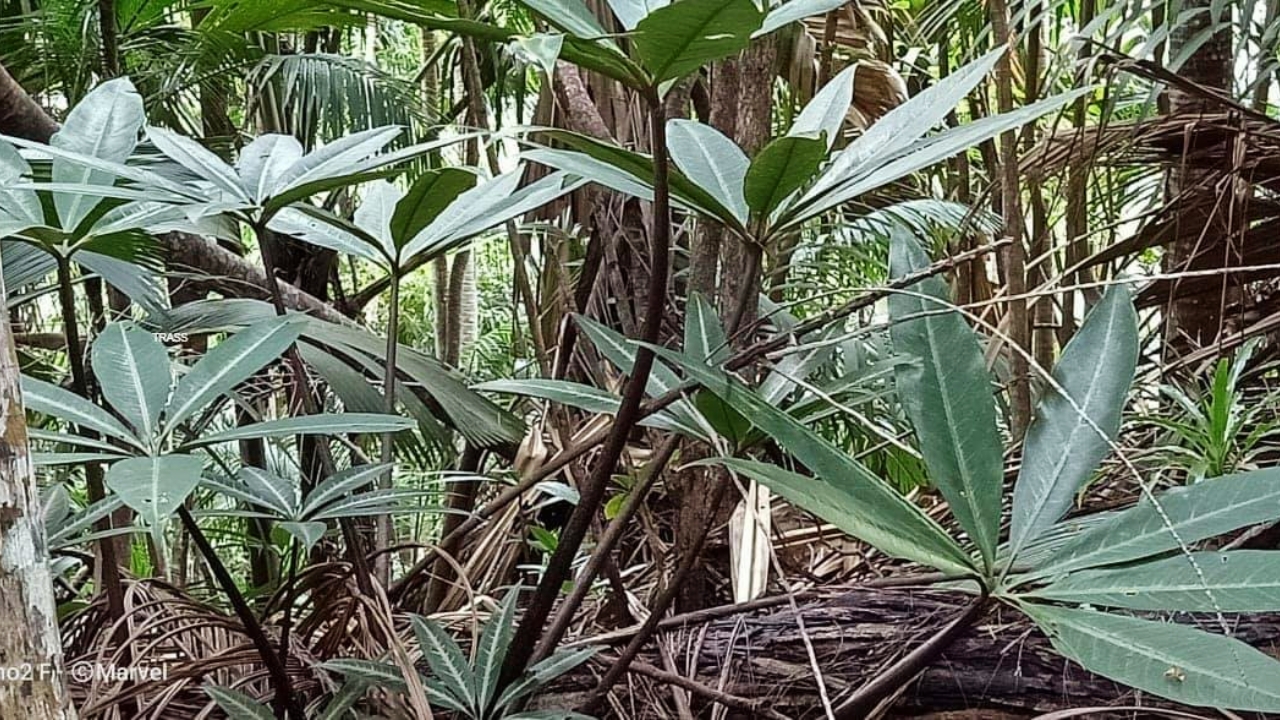
Protarum is a lesser-known yet fascinating ornamental plant admired for its striking foliage and relatively easy care requirements. Often appreciated by indoor plant enthusiasts and collectors, Protarum adds a tropical, lush aesthetic to homes and gardens. Its unique leaf structure and vibrant green tones make it an attractive addition to both minimalist and dense plant arrangements. Despite its exotic appearance, Protarum is surprisingly manageable, even for beginners willing to understand its basic needs.
Growing Protarum successfully depends on replicating its natural environment as closely as possible. With the right balance of light, water, humidity, and soil conditions, this plant can thrive and even propagate efficiently. Understanding these core aspects is key to maintaining a healthy and visually appealing plant.
Ideal Growing Conditions for Protarum
Creating the right environment is the foundation of Protarum care. This plant prefers bright, indirect light that mimics the filtered sunlight of tropical forests. Direct sunlight can scorch its leaves, while too little light may stunt its growth and dull its vibrant color. Placing it near a window with sheer curtains or in a well-lit room works best.
Temperature plays an equally important role. Protarum thrives in warm conditions, ideally between 18°C and 27°C. It does not tolerate cold drafts or sudden temperature fluctuations, so keeping it in a stable indoor environment is essential. If grown outdoors, it should only be placed in climates that remain consistently warm.
Humidity is another crucial factor. As a tropical plant, Protarum prefers moderate to high humidity levels. Dry indoor air can lead to browning leaf edges and reduced growth. Increasing humidity through misting, using a humidifier, or placing a tray of water near the plant can help maintain optimal conditions.
Choosing the Right Soil and Pot
The choice of soil significantly affects the plant’s health. Protarum requires well-draining soil that retains some moisture without becoming waterlogged. A mix of potting soil, perlite, and organic matter such as coco peat or compost works well. This combination ensures proper aeration while providing enough nutrients for steady growth.
Equally important is selecting a pot with drainage holes. Excess water must be able to escape to prevent root rot, which is one of the most common problems faced by plant owners. A slightly snug pot is ideal, as overly large containers can hold excess moisture and slow down growth.
Repotting should be done every one to two years or when the plant outgrows its current container. This not only refreshes the soil but also provides more space for root development, promoting healthier growth.
Watering Practices for Healthy Growth
Watering Protarum correctly is essential for maintaining its health. The plant prefers consistently moist soil but does not tolerate overwatering. The top layer of soil should be allowed to dry slightly between watering sessions. Checking the soil with your finger is a simple way to determine when it needs water.
Overwatering can lead to root rot, while underwatering may cause wilting and dry leaves. Striking a balance is key. During warmer months, the plant may require more frequent watering, while in cooler seasons, its water needs decrease.
Using room-temperature water is recommended, as extremely cold or hot water can shock the roots. Additionally, ensuring proper drainage helps prevent water accumulation at the bottom of the pot.
Fertilizing Protarum for Better Growth
Regular feeding helps Protarum maintain its lush appearance. A balanced liquid fertilizer applied every four to six weeks during the growing season supports healthy foliage and root development. It is best to dilute the fertilizer to avoid overfeeding, which can damage the plant.
During the dormant period, typically in cooler months, fertilization should be reduced or paused. The plant’s growth slows down during this time, and excess nutrients are not required. Observing the plant’s growth pattern can help determine the appropriate feeding schedule.
Organic fertilizers can also be used as an alternative, providing a slow and steady release of nutrients. This approach is often gentler and reduces the risk of chemical buildup in the soil.
Pruning and Maintenance Tips
Pruning is an important part of keeping Protarum looking its best. Removing dead or yellowing leaves encourages new growth and improves the plant’s overall appearance. It also helps prevent potential pest infestations and diseases.
Regular cleaning of the leaves is another simple yet effective maintenance practice. Dust can accumulate on the surface, blocking light and reducing photosynthesis. Wiping the leaves gently with a damp cloth keeps them clean and healthy.
Monitoring the plant for signs of stress, such as discoloration or drooping, allows for early intervention. Adjusting watering, light, or humidity levels can often resolve these issues quickly.
Common Problems and How to Fix Them
Like any plant, Protarum can face a few common challenges. Yellowing leaves are often a sign of overwatering, while brown edges may indicate low humidity or underwatering. Identifying the cause early makes it easier to correct the problem.
Pests such as spider mites and aphids may occasionally appear, especially in dry conditions. These can be managed by wiping the leaves with a mild soap solution or using natural insecticides. Maintaining proper humidity and cleanliness helps prevent infestations.
Root rot is a more serious issue caused by excessive moisture. Ensuring proper drainage and avoiding overwatering are the best preventive measures. If root rot occurs, affected roots should be trimmed, and the plant should be repotted in fresh soil.
Propagation Methods for Protarum
Propagating Protarum is a rewarding process that allows you to grow new plants from an existing one. The most common method is division, which involves separating the plant into smaller sections, each with its own roots. This is typically done during repotting when the plant is mature enough.
Another method involves stem cuttings, although this may depend on the specific variety of Protarum. A healthy cutting with a few leaves can be placed in water or moist soil until roots develop. Maintaining warmth and humidity during this process increases the chances of success.
Patience is important when propagating, as root development can take time. Once established, the new plants can be transferred to pots and cared for just like the parent plant.
Seasonal Care Adjustments
Protarum’s needs can change with the seasons. During the growing season, it requires more water, nutrients, and light. This is the time when the plant is most active and shows noticeable growth.
In cooler months, growth slows down, and care routines should be adjusted accordingly. Watering should be reduced, and fertilization may be paused. Keeping the plant away from cold drafts and maintaining consistent indoor temperatures becomes especially important.
Observing seasonal changes and adapting care practices ensures the plant remains healthy throughout the year.
Final Thoughts on Growing Protarum
Protarum is an excellent choice for anyone looking to add a unique and tropical touch to their indoor space. Its relatively simple care requirements make it accessible to beginners, while its distinctive appearance appeals to experienced plant enthusiasts.
By providing the right balance of light, water, humidity, and nutrients, you can enjoy a thriving Protarum plant for years to come. With proper care and occasional propagation, it can even become a centerpiece of your plant collection, bringing life and vibrancy to any environment.
