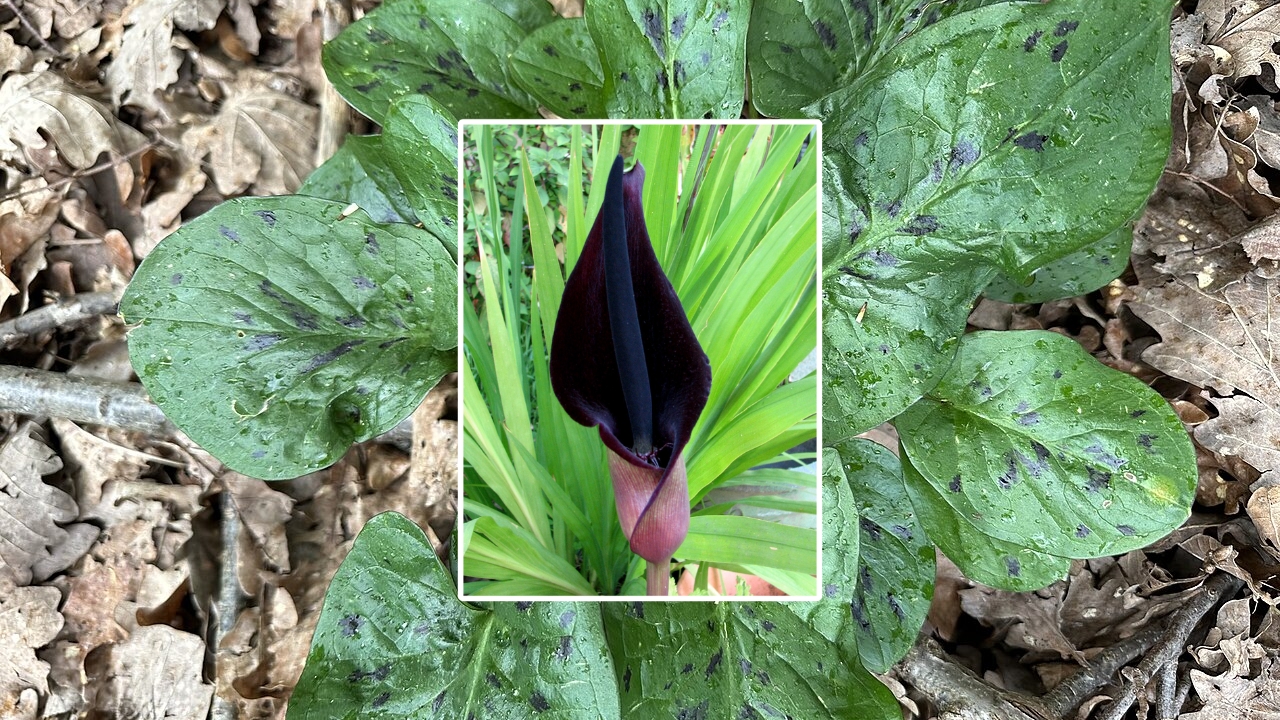
Arums, with their distinct arrow-shaped leaves and striking spathes, are a unique and fascinating plant genus. Native to temperate and subtropical regions, these plants are cherished for their ornamental value. With their elegant, upright blooms, often resembling a calla lily, arums bring a touch of drama to any garden or indoor space. However, successfully growing arums requires knowledge of their specific needs in terms of soil, water, light, and care. This article will guide you through the steps to plant, nurture, and help your arums bloom beautifully.
Choosing the Right Variety for Your Space
The first step in successfully growing arums is selecting the right variety for your space. There are various species and cultivars to choose from, each with distinct characteristics. For instance, Arum italicum is a hardy perennial known for its attractive foliage and bold spathes, while Zantedeschia, often referred to as the calla lily, features elegant, trumpet-shaped flowers.
Before choosing a variety, consider your garden’s climate. Some arums are better suited to cooler regions, while others thrive in warmer climates. Additionally, assess the space you have available, as certain varieties may spread more vigorously than others.
Planting Arums: The Basics
When it comes to planting arums, timing and soil preparation are key. Ideally, you should plant them in the spring or early autumn, as this allows the roots to establish before the temperature extremes of summer or winter set in.
Arums prefer well-drained, slightly acidic to neutral soil. Begin by digging a hole that is at least 4-6 inches deep, depending on the size of the bulb or tuber. Place the tuber in the hole, ensuring the pointed end is facing upwards. If planting multiple arums, space them about 6-12 inches apart to allow for healthy growth and air circulation.
Ensure the soil around the plant is loose and free of compacted clumps. This will encourage strong root growth. After planting, cover the bulb with soil and water gently to settle the soil around the roots.
Selecting the Right Location: Sunlight and Temperature Considerations
Arums generally prefer bright, indirect light. While they can tolerate some direct sunlight, too much sun can lead to burnt or scorched leaves, especially during the hotter months. If you’re growing arums outdoors, choose a location with partial shade, ideally sheltered from the harsh midday sun.
Temperature also plays an important role in the success of your arum plants. Most arums thrive in moderate temperatures ranging from 50-70°F (10-21°C). If your region experiences extreme cold, it may be necessary to plant them in pots so they can be brought indoors during the winter months.
For those growing arums indoors, keep the plants in a room that receives adequate natural light, but avoid placing them directly next to a window where they might be exposed to harsh sunlight.
Watering Your Arums: How Much is Enough?
Arums prefer consistently moist soil, but overwatering can lead to root rot, so it’s essential to strike the right balance. Water the plants thoroughly when the top inch of soil feels dry to the touch. Ensure that the pot or garden bed has proper drainage to prevent water from accumulating around the roots.
During the growing season (spring and summer), water more frequently, as arums are actively developing. However, reduce watering during the dormant period in late fall and winter when the plant is resting.
If growing arums in containers, be sure to check that the drainage holes are clear and allow excess water to escape. In some cases, a layer of gravel at the bottom of the pot can help with drainage.
Soil Care: Fertilizing and pH Balance
Arums benefit from well-nourished soil, but they don’t require excessive fertilization. A balanced, slow-release fertilizer applied once a month during the growing season is generally sufficient. Organic compost can also be added in spring to boost soil health and provide the plants with necessary nutrients.
It’s important to check the soil’s pH before planting. Arums prefer slightly acidic to neutral soil, with a pH range of 6.0 to 7.0. If your soil is too alkaline, you can amend it with sulfur to bring the pH down. On the other hand, if the soil is too acidic, lime can be added to raise the pH.
Pruning and Maintenance: Keeping Arums Healthy
Regular maintenance is crucial to keeping arums healthy and promoting robust growth. While these plants don’t require heavy pruning, removing dead or damaged leaves can help maintain a neat appearance and prevent potential disease. Be sure to cut any yellowing or wilted leaves at the base to keep the plant looking tidy.
Once the flowering season ends, the arum’s bloom will naturally fade. It’s best to allow the plant to die back naturally rather than cutting it too early. This process allows the plant to conserve energy and nutrients, which will aid in producing stronger growth for the following season.
If you notice your arum has become overcrowded, it may be necessary to divide the tubers every few years to promote better airflow and encourage healthy new growth.
Dealing with Common Pests and Diseases
Arums are relatively pest-resistant, but like all plants, they can fall victim to certain issues. Common pests that may affect arums include aphids, slugs, and snails. Keep an eye on the leaves for any signs of damage or unusual discoloration. If pests are spotted, they can often be removed manually or treated with insecticidal soap.
Additionally, fungal diseases like powdery mildew or botrytis can sometimes affect arums, especially in humid conditions. Ensuring good air circulation and proper spacing between plants can help minimize the risk of fungal infections. If necessary, fungicides can be used to control these issues, but always follow the manufacturer’s guidelines.
Encouraging Blooming: Tips for Maximizing Flower Production
For most arums, blooming occurs in the spring or early summer, depending on the species. To encourage healthy blooming, ensure the plant receives enough sunlight and water during the growing season. Regular feeding with a balanced fertilizer can also provide the nutrients needed to promote flowering.
Some species of arums, such as Zantedeschia (calla lilies), benefit from a longer growing period. These plants may bloom more profusely if allowed to mature fully, so patience is key.
If you’re growing arums in pots, consider placing them in a location with warmer temperatures to encourage earlier blooming. You can also use a gentle dose of high-potassium fertilizer to support flower production, but avoid over-fertilizing, as this can lead to excessive leaf growth at the expense of blooms.
Winter Care: Preparing Arums for the Cold
When the colder months arrive, arums enter a dormant period, during which they require less water and nutrients. If you live in a region where winters are harsh, it’s best to dig up the bulbs and store them in a cool, dry location until spring. Before doing so, carefully lift the tubers from the soil and let them dry out for a few days before placing them in a storage container filled with peat or sawdust.
For arums grown indoors, reduce watering and allow the plant to rest during the winter months. If your indoor environment is particularly dry, you might want to increase humidity around the plant by placing it on a tray filled with pebbles and water.
Conclusion
Growing arums successfully requires attention to their unique needs, but with the right care and knowledge, these plants can thrive and reward you with beautiful foliage and blooms. By selecting the right variety, planting in well-drained soil, providing consistent moisture, and giving them the right light and temperature conditions, you can enjoy the elegance and beauty of arums for years to come.
