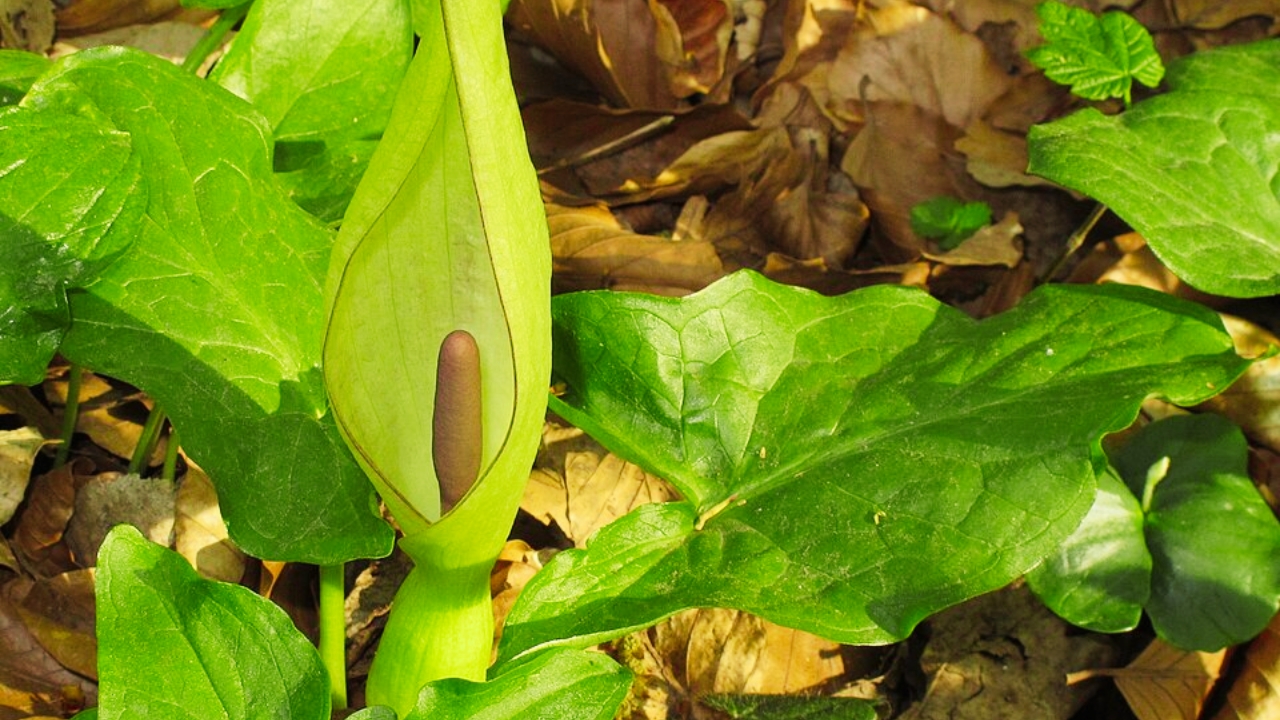
Areae plants have become increasingly popular among plant enthusiasts for their striking foliage and relatively manageable care requirements. Whether you are a beginner or someone with an established indoor garden, learning how to grow and maintain Areae can add a unique touch to your plant collection. Their adaptability and visual appeal make them a rewarding choice, but like any plant, they thrive best when given the right balance of light, water, soil, and attention.
Understanding the natural environment of Areae is key to replicating ideal growing conditions at home. These plants typically originate from warm, humid regions, which means they prefer stable temperatures and moderate to high humidity. With the right setup, Areae can flourish indoors or in shaded outdoor spaces.
Choosing the Right Environment
The first step in successfully growing Areae is selecting an appropriate location. These plants do best in bright, indirect light. Direct sunlight can scorch their leaves, while insufficient light may slow growth and dull their vibrant appearance. Placing them near a window with filtered light or a semi-shaded balcony often works well.
Temperature plays an equally important role. Areae prefers a warm environment, ideally between 18°C and 28°C. Sudden temperature fluctuations or exposure to cold drafts can stress the plant, leading to leaf drop or stunted growth. Maintaining consistency is crucial, especially during seasonal transitions.
Humidity is another important factor. Since Areae naturally thrives in humid conditions, dry indoor air can hinder its development. Increasing humidity through occasional misting, using a humidifier, or placing a tray of water near the plant can help maintain optimal conditions.
Soil and Potting Requirements
Healthy soil is the foundation of a thriving Areae plant. These plants require well-draining soil that retains some moisture without becoming waterlogged. A mix of garden soil, coco peat, and perlite or sand works well to create a balanced medium that supports both drainage and moisture retention.
Choosing the right pot is equally important. Containers with drainage holes prevent excess water from accumulating at the roots, reducing the risk of root rot. While decorative pots may look appealing, functionality should always come first.
Repotting should be done every one to two years, depending on the growth rate of the plant. If you notice roots emerging from the drainage holes or the plant becoming root-bound, it is time to move it into a slightly larger container. Repotting also refreshes the soil, providing new nutrients for continued growth.
Watering Practices for Healthy Growth
Watering is one of the most critical aspects of Areae care. These plants prefer consistently moist soil but do not tolerate standing water. The key is to strike a balance between keeping the soil hydrated and avoiding overwatering.
A good rule of thumb is to water the plant when the top inch of soil feels dry to the touch. During warmer months, watering may be required more frequently, while in cooler seasons, the frequency can be reduced. Observing the plant and adjusting based on its needs is more effective than following a rigid schedule.
Overwatering can lead to root rot, which is often indicated by yellowing leaves and a foul smell from the soil. On the other hand, underwatering may cause the leaves to wilt or develop brown edges. Learning to read these signs will help you fine-tune your watering routine.
Fertilizing and Nutrient Needs
To support lush growth, Areae plants benefit from regular feeding during their active growing season, typically spring and summer. A balanced liquid fertilizer applied every two to four weeks can provide essential nutrients such as nitrogen, phosphorus, and potassium.
It is important not to over-fertilize, as this can lead to salt buildup in the soil and damage the roots. Diluting the fertilizer to half strength is often sufficient and safer for the plant. During the dormant season, fertilizing can be reduced or paused altogether, as the plant’s growth naturally slows down.
Organic alternatives like compost or vermicompost can also be used to enrich the soil. These options improve soil structure while gradually releasing nutrients, promoting steady and healthy development.
Pruning and Maintenance
Regular pruning helps maintain the shape and health of Areae plants. Removing dead, damaged, or yellowing leaves not only improves the plant’s appearance but also encourages new growth. Pruning also allows better air circulation around the plant, reducing the risk of pests and diseases.
Cleaning the leaves is another important aspect of maintenance. Dust can accumulate on the foliage, blocking sunlight and reducing photosynthesis. Gently wiping the leaves with a damp cloth keeps them clean and enhances their natural shine.
Keeping an eye on the plant’s overall condition is essential. Early detection of issues such as discoloration, wilting, or pest infestations allows for timely intervention, preventing more serious problems.
Propagation Methods for Areae
Propagation is an exciting way to expand your collection of Areae plants or share them with others. One of the most common methods is stem cutting. Select a healthy stem with at least one node and a few leaves, then cut it using clean, sharp scissors.
The cutting can be placed in water or directly into moist soil. If using water, ensure that the node is submerged while the leaves remain above the surface. Roots typically begin to develop within a few weeks. Once the roots are strong enough, the cutting can be transferred to soil.
Division is another effective propagation method, especially for mature plants. During repotting, gently separate the root ball into smaller sections, ensuring that each section has healthy roots and foliage. These divisions can then be planted individually.
Both methods require patience and proper care, including adequate light and moisture, to ensure successful propagation.
Common Problems and Solutions
Like any plant, Areae can face challenges if its needs are not met. Yellowing leaves are often a sign of overwatering or poor drainage. Adjusting the watering schedule and ensuring proper soil conditions can resolve this issue.
Brown leaf edges may indicate low humidity or inconsistent watering. Increasing humidity levels and maintaining a regular watering routine can help restore the plant’s health. If the leaves appear faded or lack vibrancy, the plant may not be receiving enough light.
Pests such as spider mites, aphids, and mealybugs can occasionally affect Areae. Regular inspection and cleaning help prevent infestations. If pests are detected, treating the plant with a mild insecticidal soap or neem oil can effectively control the problem.
Seasonal Care Tips
Areae plants require slightly different care depending on the season. During the growing season, focus on providing ample light, regular watering, and consistent feeding. This is the time when the plant is most active and responsive.
In the cooler months, growth slows down, and the plant’s needs decrease. Reduce watering frequency and avoid fertilizing during this period. It is also important to protect the plant from cold drafts and sudden temperature drops.
Adjusting care routines based on seasonal changes ensures that the plant remains healthy year-round and continues to thrive in varying conditions.
Final Thoughts on Growing Areae
Growing Areae successfully comes down to understanding its natural preferences and maintaining a consistent care routine. With the right balance of light, water, humidity, and nutrients, these plants can flourish and become a standout feature in any indoor or outdoor space.
Patience and observation are key. Every plant is unique, and learning to respond to its specific needs will lead to better results over time. Whether you are propagating new plants or nurturing an established one, the process of growing Areae can be both enjoyable and deeply satisfying.
