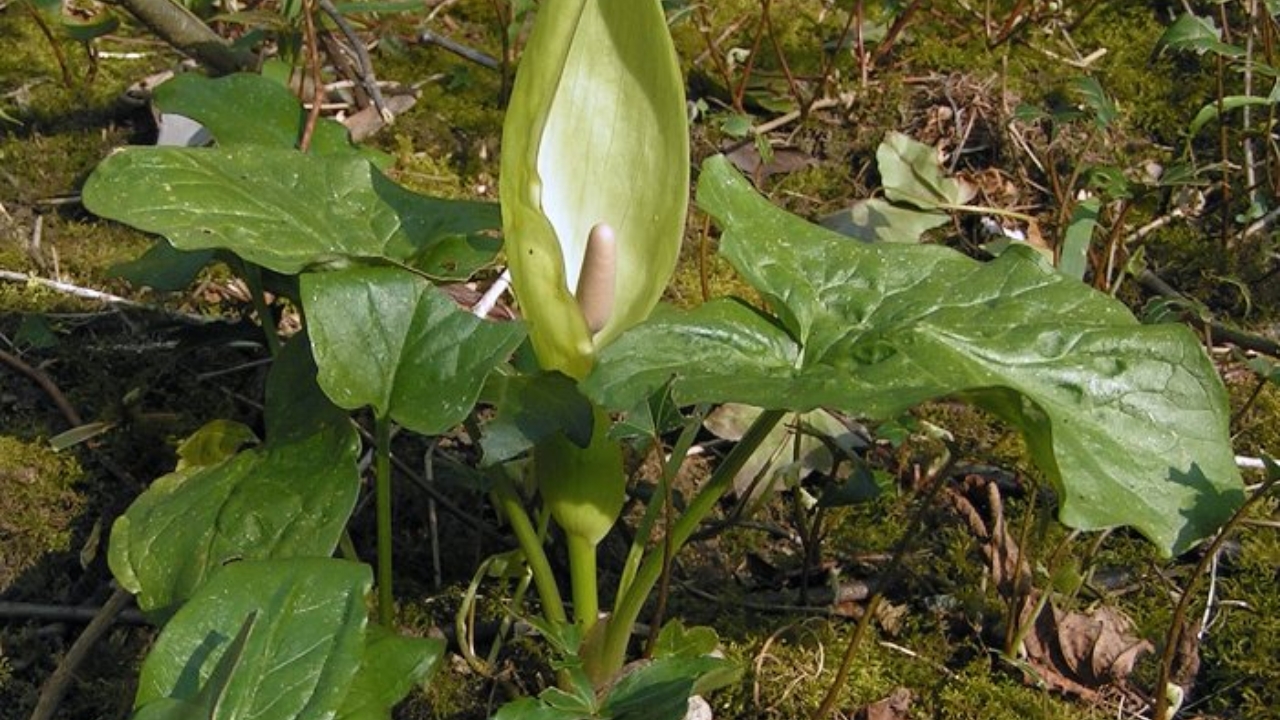
Aroids, belonging to the subfamily Aroideae, are a diverse group of plants admired for their striking foliage, unique growth habits, and adaptability to indoor environments. They include popular genera such as Philodendron, Anthurium, Alocasia, Monstera, and Syngonium. Their lush leaves, often heart-shaped or dramatically veined, make them a centerpiece in homes and gardens. Beyond aesthetics, aroids are relatively forgiving plants, making them suitable for both beginners and experienced plant enthusiasts. To cultivate them successfully, it is essential to understand their natural habitats, which are typically tropical rainforests where they thrive in warm, humid, and shaded conditions.
Choosing the Right Environment
Aroids flourish when their environment mimics the tropics. They prefer bright, indirect light, as direct sunlight can scorch their leaves. A north or east-facing window is often ideal, though filtered light from a sheer curtain works well too. Temperature stability is crucial, with most aroids thriving between 18°C and 28°C. Sudden drafts or cold snaps can stress the plant, so keeping them away from air conditioners or heaters is wise. Humidity is another key factor; these plants enjoy levels above 60 percent. In drier climates, a humidifier, pebble trays, or grouping plants together can help maintain the moisture they crave.
Soil and Potting Essentials
The right soil mix is fundamental to healthy aroids. They prefer a loose, well-draining medium that retains moisture without becoming waterlogged. A blend of peat moss or coco coir, perlite, and orchid bark creates the ideal balance. This mix allows roots to breathe while holding enough water to sustain growth. When potting, choose containers with drainage holes to prevent root rot. Repotting every one to two years ensures the plant has room to expand and refreshes the soil nutrients. During repotting, gently loosen compacted roots and remove any decayed material to encourage vigorous growth.
Watering Practices
Watering aroids requires balance. Overwatering can lead to root rot, while underwatering causes leaves to droop and crisp. The best approach is to water when the top two to three centimeters of soil feel dry. Pour water evenly until it drains from the bottom, then discard excess water from the saucer. Seasonal adjustments are necessary; during active growth in spring and summer, they need more frequent watering, while in winter, when growth slows, less is required. Observing the plant’s leaves is helpful—yellowing often signals excess water, while browning edges suggest insufficient moisture.
Fertilization and Nutrient Needs
Aroids benefit from regular feeding during their growing season. A balanced liquid fertilizer, diluted to half strength, applied every two to four weeks, supports lush foliage and strong roots. Slow-release fertilizers can also be incorporated into the soil for steady nourishment. It is important to avoid over-fertilization, which can cause salt buildup and damage roots. Flushing the soil with plain water every few months helps remove excess salts. During the dormant months, fertilization should be reduced or paused, allowing the plant to rest naturally.
Propagation Techniques
Propagation is one of the joys of growing aroids, as it allows you to expand your collection or share plants with others. Stem cuttings are the most common method. Select a healthy stem with at least one node and aerial root, then place it in water or directly into moist soil. Within weeks, roots will begin to form. Division is another technique, particularly for clumping species like Anthurium or Alocasia. Carefully separate the root ball into sections, ensuring each division has roots and leaves. For Monstera and Philodendron, air layering can be effective, encouraging roots to develop on the stem before cutting it away from the parent plant.
Common Pests and Problems
Like all houseplants, aroids can encounter pests. Spider mites, mealybugs, and aphids are the most frequent culprits. Regularly inspecting leaves, especially the undersides, helps catch infestations early. Wiping leaves with a damp cloth or using insecticidal soap can control minor outbreaks. Maintaining humidity also discourages spider mites, which prefer dry conditions. Beyond pests, aroids may suffer from issues like yellowing leaves, which often indicate overwatering, or drooping foliage, which can result from underwatering or low humidity. Addressing these problems promptly ensures the plant remains healthy and vibrant.
Pruning and Maintenance
Pruning is essential for keeping aroids attractive and encouraging new growth. Removing yellowed or damaged leaves not only improves appearance but also prevents disease spread. For vining species such as Philodendron and Monstera, trimming back long stems helps maintain shape and prevents legginess. These cuttings can often be used for propagation. Cleaning leaves regularly with a damp cloth removes dust, allowing them to photosynthesize more efficiently. Supporting climbing varieties with moss poles or trellises mimics their natural growth habit and enhances their ornamental appeal.
Seasonal Care Adjustments
Aroids respond to seasonal changes, and adjusting care routines ensures they remain healthy year-round. In spring and summer, they enter active growth, requiring more water, fertilizer, and occasional repotting. Autumn signals a slowdown, so watering and feeding should be reduced. Winter is typically a dormant period, where minimal care is needed beyond maintaining humidity and light. Understanding these cycles prevents overcare during rest periods and maximizes growth during active seasons.
Encouraging Flowering
While many grow aroids for their foliage, some species produce striking flowers. Anthuriums, for example, are known for their colorful spathes, while others like Spathiphyllum (peace lilies) offer elegant white blooms. Encouraging flowering requires consistent care, particularly adequate light and balanced nutrition. Reducing stress factors such as irregular watering or poor soil conditions increases the likelihood of blooms. Patience is key, as some species flower infrequently indoors, but when they do, the display is rewarding.
Long-Term Growth and Display
Aroids can become long-term companions when cared for properly. Their adaptability allows them to thrive in various indoor settings, from minimalist apartments to lush conservatories. Displaying them creatively enhances their impact—large Monstera leaves can serve as statement pieces, while trailing Philodendrons add softness to shelves. Grouping different species together creates a tropical atmosphere and helps maintain humidity. With consistent care, these plants can grow for decades, becoming heirloom specimens passed down through generations.
Conclusion
Growing aroids is both an art and a science. Their beauty lies not only in their dramatic foliage but also in their resilience and adaptability. By providing the right environment, soil, water, and nutrients, and by mastering propagation and maintenance techniques, anyone can enjoy healthy, thriving aroids. They reward attentive care with lush growth, occasional blooms, and a sense of connection to the tropics. Whether you are a novice plant lover or a seasoned collector, cultivating aroids offers endless satisfaction and a touch of natural elegance to your living space.
