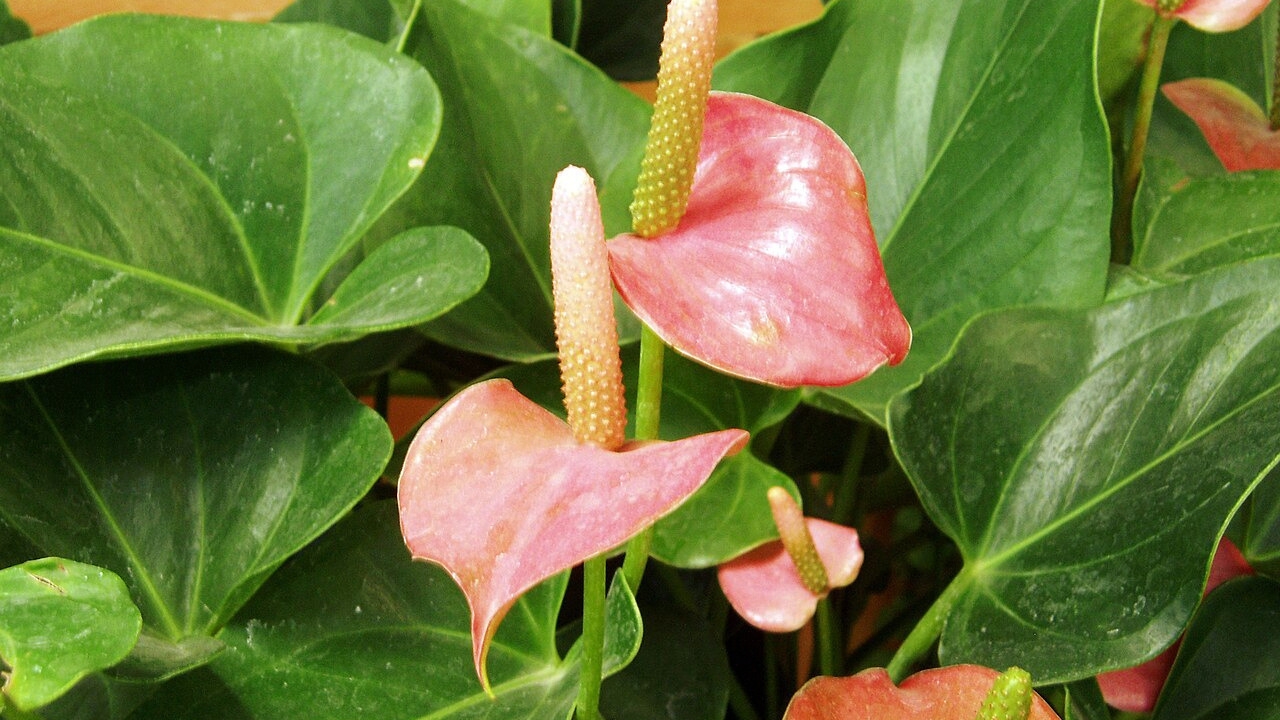
The Pothoideae subfamily is a fascinating and important group within the Araceae family, commonly known as the arum family. This subfamily includes a range of climbing and epiphytic plants that are widely distributed across tropical and subtropical regions of the world. Although not as popularly recognized as some other plant groups, Pothoideae plays a crucial role in plant diversity, ecological balance, and horticulture.
Members of this subfamily are particularly known for their adaptability to shaded environments, often thriving in dense forests where light availability is limited. Their unique morphological traits and ecological strategies make them an interesting subject of study in botany, especially in the context of evolution and plant-environment interactions.
Classification of Pothoideae
Pothoideae is classified under the family Araceae, which consists of flowering plants characterized by a distinctive inflorescence known as a spadix, usually accompanied by a spathe. Within this family, Pothoideae is considered one of the early-diverging lineages, making it significant for understanding the evolutionary history of aroids.
Taxonomically, the subfamily is divided into several tribes and genera, though classification has undergone revisions with advances in molecular phylogenetics. Traditionally, Pothoideae includes genera such as Pothos, Anthurium (in some classifications), and a few lesser-known groups. However, modern systems tend to refine these boundaries based on DNA evidence.
The classification hierarchy can be summarized as follows:
Kingdom: Plantae
Clade: Angiosperms
Order: Alismatales
Family: Araceae
Subfamily: Pothoideae
This structure highlights the placement of Pothoideae within the broader context of flowering plant evolution.
Distinctive Characteristics
Plants within the Pothoideae subfamily exhibit a combination of morphological and anatomical features that distinguish them from other subfamilies in Araceae. One of the most notable traits is their climbing or epiphytic growth habit. Many species use aerial roots to attach themselves to tree trunks, allowing them to access light in forest canopies.
The leaves are typically simple, alternate, and often leathery, with a glossy surface that helps reduce water loss. Leaf shape can vary significantly, ranging from narrow and elongated to broader forms, depending on the species and environmental conditions.
Another defining characteristic is the inflorescence structure. Like other members of Araceae, Pothoideae species produce a spadix, which is a fleshy spike containing numerous tiny flowers. The spathe, a modified leaf that surrounds or subtends the spadix, may be less conspicuous compared to other aroids but still plays a protective role.
The reproductive biology of Pothoideae is also noteworthy. Many species rely on specialized pollinators such as beetles or flies, which are attracted by scent and heat produced by the inflorescence. This thermogenic capability enhances pollination efficiency in dense forest environments.
Major Genera in Pothoideae
The Pothoideae subfamily comprises several genera, each contributing to the diversity and ecological significance of the group. Among them, the genus Pothos is perhaps the most well-known. Species of Pothos are widely distributed across Southeast Asia, Australia, and the Pacific islands. They are typically climbers with long stems and aerial roots, making them well adapted to forest habitats.
Another important genus is Pothoidium, which is less diverse but equally interesting in terms of its structural adaptations. These plants often exhibit specialized growth patterns suited to humid environments.
In some classifications, Anthurium has been associated with Pothoideae, although it is more commonly placed in its own subfamily, Pothoideae-related or otherwise. Regardless of its placement, Anthurium shares several characteristics with Pothoideae members, including similar inflorescence structures and ecological strategies.
The diversity within these genera reflects the evolutionary success of the subfamily in adapting to different ecological niches, particularly in tropical regions.
Habitat and Distribution
Pothoideae species are predominantly found in tropical and subtropical climates, where humidity and temperature conditions are favorable for their growth. They are especially abundant in rainforests, where they occupy various ecological niches, from the forest floor to the canopy.
Epiphytic species grow on other plants without deriving nutrients from them, using their hosts primarily for support. This lifestyle allows them to access better light conditions while avoiding competition on the forest floor. Terrestrial species, on the other hand, grow directly in soil, often in shaded and moist environments.
Geographically, members of this subfamily are distributed across Asia, Africa, Australia, and parts of the Pacific. Their widespread presence highlights their adaptability and ecological versatility.
Ecological Importance
The ecological role of Pothoideae is multifaceted. As climbers and epiphytes, these plants contribute to the structural complexity of forest ecosystems. They create microhabitats for various organisms, including insects, birds, and small mammals.
Their presence also enhances biodiversity by supporting a range of pollinators and seed dispersers. The interactions between Pothoideae plants and their pollinators are particularly significant, as they often involve specialized relationships that have evolved over time.
Additionally, these plants play a role in nutrient cycling within ecosystems. Epiphytic species, for instance, can trap organic debris and moisture, creating small nutrient-rich zones that benefit other organisms.
By contributing to the overall health and stability of forest ecosystems, Pothoideae species indirectly support larger ecological processes such as carbon sequestration and climate regulation.
Economic and Horticultural Value
While not as commercially dominant as some other plant groups, members of the Pothoideae subfamily have notable horticultural value. Certain species are cultivated as ornamental plants due to their attractive foliage and adaptability to indoor environments.
Their ability to thrive in low-light conditions makes them popular choices for interior decoration in homes and offices. Additionally, their climbing habit allows for creative landscaping and vertical gardening applications.
In some regions, these plants may also have cultural or traditional uses, although such applications are less documented compared to other plant families.
Adaptations and Survival Strategies
The success of Pothoideae species in diverse environments can be attributed to their unique adaptations. Aerial roots, for example, enable them to anchor onto surfaces and absorb moisture directly from the air. This is particularly advantageous in humid tropical climates.
Their leaf structure is another important adaptation. The thick, waxy surface helps reduce water loss while also providing protection against herbivory and environmental stress.
Some species exhibit phenotypic plasticity, meaning they can alter their growth form depending on environmental conditions. For instance, a plant growing in low light may develop larger leaves to maximize photosynthesis.
These adaptive traits not only ensure survival but also allow Pothoideae species to colonize a wide range of habitats.
Conservation and Future Perspectives
Despite their adaptability, many Pothoideae species face threats from habitat loss, deforestation, and climate change. Tropical forests, which serve as their primary habitat, are being rapidly degraded due to human activities such as logging and agriculture.
Conservation efforts are essential to protect these plants and the ecosystems they support. This includes preserving natural habitats, promoting sustainable land use practices, and conducting further research to understand their ecological roles and genetic diversity.
Advances in molecular biology and phylogenetics are expected to refine the classification and evolutionary understanding of Pothoideae. Such knowledge can inform conservation strategies and enhance our appreciation of this unique plant group.
Conclusion
The Pothoideae subfamily represents a vital component of tropical plant diversity, characterized by its distinctive morphology, ecological significance, and adaptability. From their classification within the Araceae family to their role in forest ecosystems, these plants offer valuable insights into plant evolution and environmental interactions.
Their importance extends beyond ecology to horticulture and scientific research, making them a subject worthy of continued study and conservation. As global environmental challenges intensify, understanding and protecting groups like Pothoideae becomes increasingly important for maintaining biodiversity and ecological balance.
