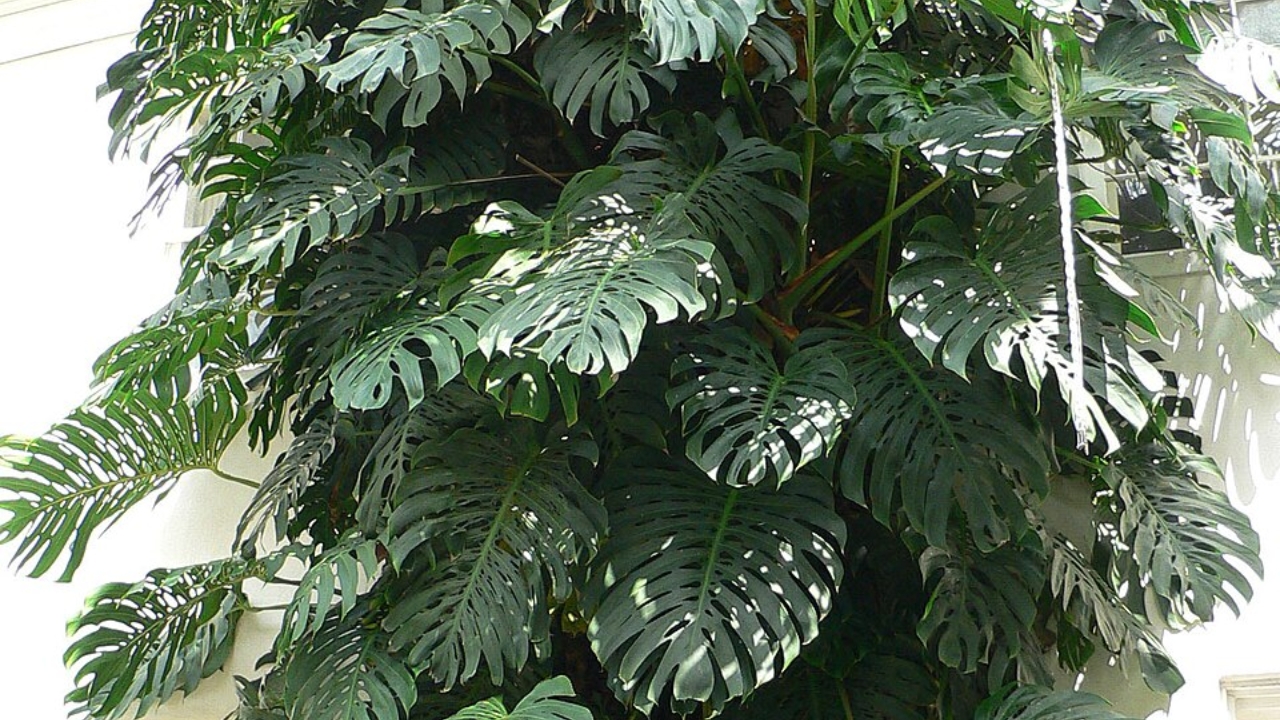
Monsteroideae is a fascinating subfamily of tropical plants within the Araceae family, known for their dramatic foliage and unique growth patterns. These plants, which include popular varieties like Monstera, Rhaphidophora, and Epipremnum, are native to warm, humid regions of Central and South America as well as parts of Southeast Asia. Their natural habitat plays a key role in understanding how to care for them indoors.
What sets Monsteroideae apart is their distinctive leaves, often featuring splits, holes, or fenestrations. These adaptations help the plants survive in dense forests by allowing light to pass through to lower leaves and reducing damage from heavy rainfall. When grown indoors, these features also make them highly sought-after ornamental plants.
Choosing the Right Environment
Creating the right environment is essential for Monsteroideae to thrive. Since these plants originate from tropical climates, they prefer conditions that mimic their natural surroundings. Warm temperatures, moderate to high humidity, and indirect light are key factors.
Place your plant in a location where it receives bright, filtered sunlight. Direct sunlight can scorch the leaves, while too little light may result in slower growth and fewer leaf splits. A spot near an east- or north-facing window is often ideal.
Temperature should be kept between 18°C and 30°C. Avoid placing the plant near cold drafts, air conditioners, or heaters, as sudden temperature changes can stress it.
Humidity is another important aspect. While many Monsteroideae can adapt to average indoor humidity, they perform best in levels above 60 percent. Using a humidifier, grouping plants together, or placing a tray of water nearby can help maintain adequate moisture in the air.
Soil and Potting Requirements
The right soil mix ensures healthy root development and prevents common issues like root rot. Monsteroideae prefer a well-draining, aerated potting mix that retains some moisture without becoming soggy.
A good mix typically includes potting soil combined with materials like perlite, orchid bark, or coco coir. This combination allows excess water to drain while still providing enough moisture for the roots.
When choosing a pot, make sure it has proper drainage holes. Terracotta pots are a great option because they allow excess moisture to evaporate, reducing the risk of overwatering. Repotting should be done every one to two years, or when the plant outgrows its current container.
Watering Techniques for Healthy Growth
Watering is one of the most crucial aspects of Monsteroideae care. These plants prefer consistent moisture but are highly sensitive to overwatering.
A good rule of thumb is to water when the top 2 to 3 inches of soil feel dry. Insert your finger into the soil to check moisture levels before watering. When you do water, ensure that excess water drains out completely.
Overwatering can lead to root rot, which is often indicated by yellowing leaves and a mushy stem base. On the other hand, underwatering may cause drooping or crispy leaf edges. Finding a balance is key, and adjusting your watering schedule based on the season can help. Plants generally need less water during cooler months.
Light Requirements and Leaf Development
Light plays a significant role in the iconic leaf shapes of Monsteroideae. The fenestrations that make these plants so appealing develop more prominently under optimal lighting conditions.
Bright, indirect light encourages larger leaves and more pronounced splits. If the plant is kept in low light, it may produce smaller, solid leaves without holes. While artificial grow lights can supplement natural light, they should be positioned carefully to avoid overheating the plant.
Rotating the plant occasionally ensures even growth, as Monsteroideae tend to grow toward the light source. This simple step helps maintain a balanced and aesthetically pleasing shape.
Supporting Climbing Growth
Many Monsteroideae are natural climbers, using aerial roots to attach themselves to trees in the wild. Indoors, providing support can significantly improve their growth and overall appearance.
Using a moss pole, trellis, or stake encourages vertical growth and helps the plant produce larger leaves. As the plant climbs, its leaves often become more mature and develop more pronounced fenestrations.
Gently tie the stems to the support structure if needed, but avoid restricting growth. Keeping the support slightly moist can also encourage aerial roots to attach more effectively.
Fertilizing for Vigorous Growth
To maintain lush foliage and steady growth, Monsteroideae benefit from regular feeding during the growing season. A balanced liquid fertilizer applied every two to four weeks in spring and summer works well.
During the dormant months, fertilizing can be reduced or stopped altogether, as the plant’s growth slows down. Over-fertilizing should be avoided, as it can lead to salt buildup in the soil and damage the roots.
Organic options such as compost tea or diluted fish emulsion can also be used for a more natural approach to feeding.
Pruning and Maintenance
Regular pruning helps keep Monsteroideae healthy and encourages new growth. Remove any yellow, damaged, or dead leaves to improve the plant’s overall appearance and prevent the spread of disease.
Pruning can also control the size of the plant, especially in indoor spaces where it may grow quite large. Use clean, sharp tools to make precise cuts just above a node.
Wiping the leaves occasionally with a damp cloth helps remove dust, allowing the plant to photosynthesize more efficiently and maintain its vibrant appearance.
Common Problems and Solutions
Like any houseplant, Monsteroideae can face a few common issues. Yellowing leaves are often a sign of overwatering, while brown tips may indicate low humidity or inconsistent watering.
Pests such as spider mites, mealybugs, and scale insects can occasionally affect these plants. Regularly inspecting the leaves and stems helps catch infestations early. Treating with neem oil or insecticidal soap is usually effective.
Root rot is one of the most serious problems and is typically caused by poor drainage or excessive watering. If detected early, repotting the plant in fresh, well-draining soil can save it.
Propagation Methods
One of the rewarding aspects of growing Monsteroideae is how easy they are to propagate. Stem cuttings are the most common method and can be done in water or soil.
Choose a healthy stem with at least one node and a leaf. Place the cutting in water, ensuring the node is submerged. Within a few weeks, roots will begin to develop. Once the roots are well established, the cutting can be transferred to soil.
Propagation not only allows you to expand your collection but also helps rejuvenate older plants by encouraging new growth.
Seasonal Care Adjustments
Monsteroideae care changes slightly with the seasons. During the growing season, the plant requires more water, light, and nutrients. In contrast, winter months call for reduced watering and minimal fertilization.
Monitoring environmental changes such as indoor heating or cooling is important, as these can affect humidity and temperature levels. Adjusting care routines accordingly ensures the plant remains healthy year-round.
Creating a Thriving Indoor Jungle
Incorporating Monsteroideae into your indoor space adds a touch of tropical elegance and natural beauty. Their bold foliage makes them a focal point in any room, and their relatively easy care requirements make them suitable for both beginners and experienced plant enthusiasts.
By understanding their natural habitat and replicating those conditions as closely as possible, you can enjoy vibrant, thriving plants that continue to grow and evolve over time. With proper care, Monsteroideae can become long-lasting companions, transforming your living space into a lush, green sanctuary.
