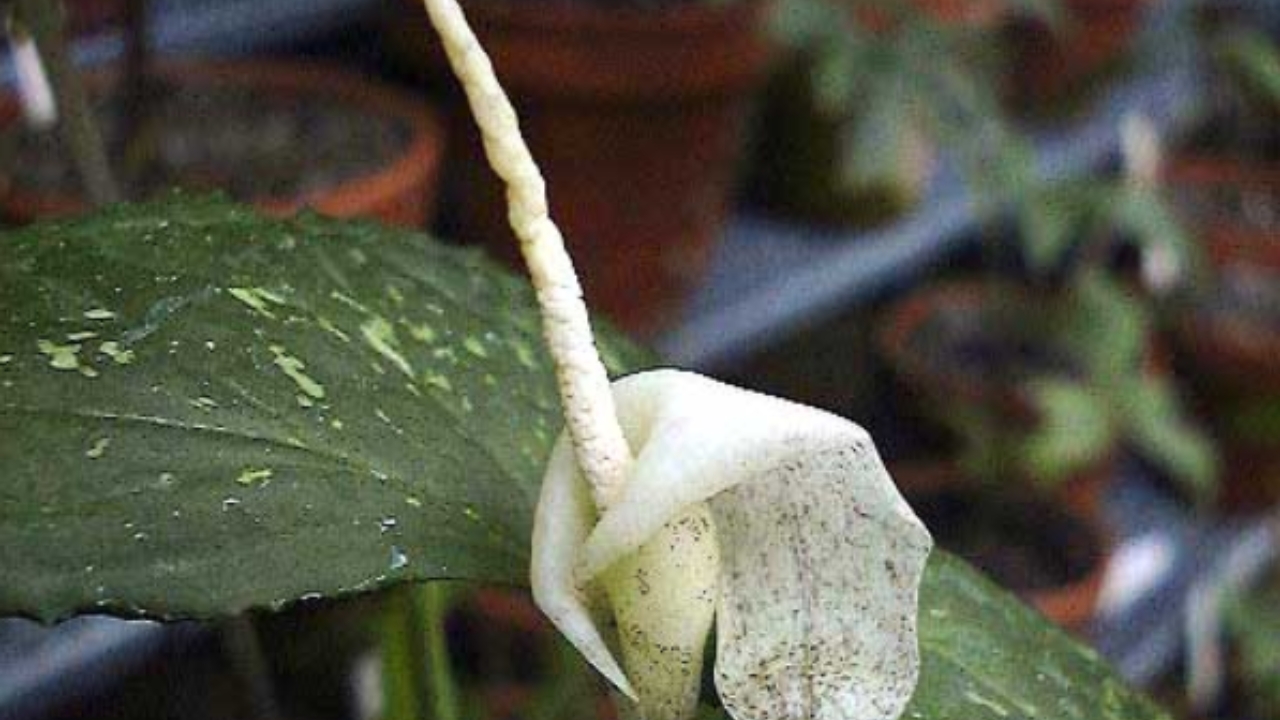
Zomicarpella is a fascinating and relatively uncommon plant that has been gaining attention among collectors and indoor gardening enthusiasts. Known for its unusual growth pattern and resemblance to certain members of the aroid family, this plant brings a unique aesthetic to any plant collection. While it is not as widely recognized as more common houseplants, its low-maintenance nature and striking appearance make it a rewarding choice for both beginners and experienced growers.
Understanding how to properly care for Zomicarpella is essential if you want it to thrive. Like many tropical plants, it requires a balance of light, water, and humidity, along with the right soil conditions. With proper attention, this plant can grow steadily and even be propagated to expand your collection.
Understanding Its Natural Habitat
To grow Zomicarpella successfully, it helps to understand where it comes from. This plant is native to tropical regions, where it typically grows in warm, humid environments with filtered sunlight. It often thrives under the canopy of larger plants, meaning it is naturally adapted to indirect light rather than harsh, direct sun.
The soil in its native habitat is usually well-draining and rich in organic matter. Rainfall is frequent, but water does not stagnate around the roots. This combination of moisture and aeration is key to recreating suitable conditions at home. Mimicking these natural factors will make a noticeable difference in the plant’s health and growth rate.
Ideal Light Conditions
Zomicarpella prefers bright, indirect light. Placing it near a window with filtered sunlight is ideal. Direct sunlight, especially during the afternoon, can scorch its leaves and lead to discoloration or damage. On the other hand, too little light may slow its growth and result in smaller or weaker foliage.
If you are growing it indoors, east-facing windows are often a good choice. South- or west-facing windows can also work if you use sheer curtains to diffuse the light. In low-light environments, the plant may survive, but it will not thrive or produce its best growth.
Artificial grow lights can also be used if natural light is limited. Position the light a reasonable distance from the plant to avoid overheating while still providing sufficient brightness.
Watering Requirements
Watering is one of the most important aspects of Zomicarpella care. The plant prefers evenly moist soil but does not tolerate waterlogging. Overwatering can quickly lead to root rot, which is one of the most common problems faced by growers.
A good approach is to allow the top layer of soil to dry out slightly before watering again. When you do water, make sure it is thorough, allowing excess water to drain out of the pot. Never let the plant sit in standing water, as this can damage the roots.
During warmer months, the plant may require more frequent watering due to increased evaporation and growth activity. In cooler seasons, reduce watering to prevent excess moisture buildup. Always adjust your watering schedule based on the environment rather than sticking to a fixed routine.
Soil Requirements for Healthy Growth
Choosing the right soil is crucial for Zomicarpella. The ideal mix should be well-draining while still retaining enough moisture to keep the roots hydrated. A combination of potting soil, perlite, and organic matter such as coco coir or compost works well.
The goal is to create a light and airy structure that allows water to pass through easily while still providing nutrients. Heavy soils that retain too much water should be avoided, as they can suffocate the roots and lead to rot.
You can also consider adding bark chips or sand to improve drainage. The exact mix does not need to be complicated, but it should strike a balance between moisture retention and aeration.
Temperature and Humidity Needs
Zomicarpella thrives in warm temperatures, ideally between 18°C and 30°C. It does not tolerate cold conditions well, so it should be kept away from drafts, air conditioners, or sudden temperature drops.
Humidity plays an important role in its overall health. As a tropical plant, it prefers moderate to high humidity levels. If your indoor environment is dry, especially during winter, you can increase humidity by misting the plant occasionally, using a humidifier, or placing a tray of water near the plant.
Grouping plants together can also help create a more humid microclimate. While Zomicarpella can adapt to average household humidity, providing a slightly more humid environment will encourage better growth and healthier foliage.
Fertilizing for Optimal Growth
Regular feeding can support the plant’s growth, especially during the active growing season. A balanced liquid fertilizer diluted to half strength can be applied every four to six weeks during spring and summer.
Avoid over-fertilizing, as this can lead to salt buildup in the soil and damage the roots. During the dormant period in autumn and winter, reduce or stop fertilization altogether, as the plant’s growth slows down.
Organic fertilizers can also be used if you prefer a more natural approach. These release nutrients gradually and improve soil health over time.
Propagation Methods
Propagating Zomicarpella is a rewarding process that allows you to grow new plants from an existing one. The most common method is division, especially if the plant develops multiple stems or rhizomes.
To propagate by division, gently remove the plant from its pot and separate the root sections, ensuring each division has healthy roots and shoots. Replant each section in its own container with fresh soil and water lightly.
Another possible method is stem cuttings, although this may be less reliable depending on the plant’s structure. If attempting cuttings, use a clean, sharp tool and allow the cut end to dry slightly before placing it in soil or water.
Patience is important during propagation, as new growth may take time to appear. Providing stable warmth and humidity will improve success rates.
Common Problems and Solutions
Like any houseplant, Zomicarpella can face a few common issues. Yellowing leaves are often a sign of overwatering, while brown tips may indicate low humidity or inconsistent watering.
Pests such as spider mites or mealybugs can occasionally appear, especially in dry conditions. Regularly inspecting the plant and wiping the leaves can help prevent infestations. If pests are present, they can be treated with insecticidal soap or neem oil.
Slow growth may result from insufficient light or lack of nutrients. Adjusting these factors usually resolves the issue over time. Paying attention to the plant’s signals will help you address problems before they become severe.
Repotting and Maintenance
Zomicarpella does not require frequent repotting, but it should be done when the plant outgrows its container or the soil becomes compacted. Typically, repotting every one to two years is sufficient.
Choose a pot that is slightly larger than the current one and has good drainage holes. Refresh the soil during repotting to provide new nutrients and improve structure.
Routine maintenance includes removing dead or damaged leaves and cleaning the foliage to allow better light absorption. Keeping the plant clean also helps prevent pests and diseases.
Final Thoughts on Growing Zomicarpella
Growing Zomicarpella can be a highly satisfying experience, especially for those who appreciate unique and less common plants. Its care requirements are manageable once you understand its preferences for light, water, and soil.
By recreating its natural environment as closely as possible, you can enjoy steady growth and a healthy plant. Whether you are expanding your indoor garden or experimenting with propagation, Zomicarpella offers both beauty and a sense of accomplishment for dedicated plant lovers.
