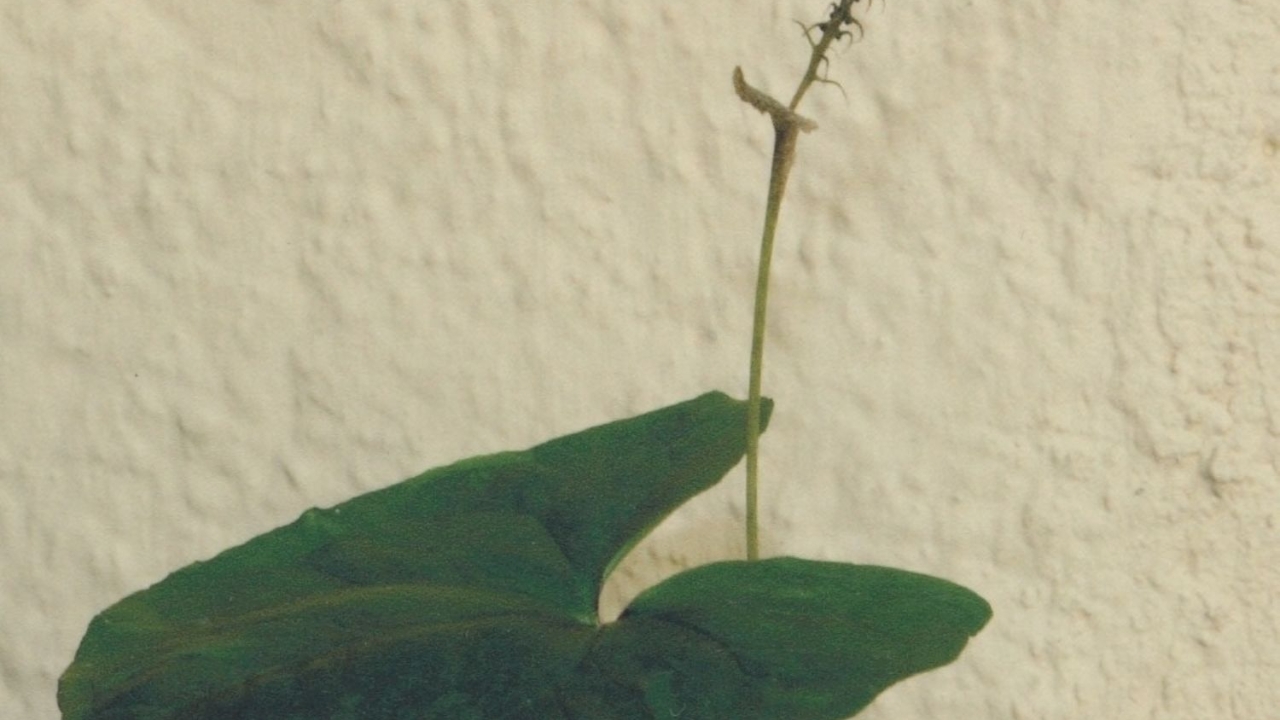
Filarum plants, admired for their elegant foliage and easygoing nature, are increasingly popular among indoor and outdoor gardeners alike. Their graceful leaves and adaptable growth habits make them an excellent choice for both beginners and experienced plant enthusiasts. Whether you are cultivating them as decorative houseplants or incorporating them into a garden landscape, understanding their basic care requirements is essential for long-term success.
Growing Filarum plants is not complicated, but like any living organism, they thrive best when their natural preferences are met. Paying attention to soil quality, watering routines, and light exposure will significantly improve their health and appearance. With the right approach, these plants can flourish beautifully and become a standout feature in your green space.
Choosing the Right Soil for Healthy Growth
Soil plays a foundational role in the development of Filarum plants. These plants prefer a well-draining, nutrient-rich medium that allows their roots to breathe while retaining enough moisture to support growth. Heavy or compact soils can suffocate the roots and lead to issues like root rot, which is one of the most common problems faced by plant owners.
A balanced potting mix that combines garden soil, organic compost, and a drainage component such as sand or perlite works particularly well. This type of mixture ensures that excess water flows out easily while still holding essential nutrients. Organic matter in the soil not only improves texture but also supports beneficial microorganisms that contribute to plant health.
If you are growing Filarum plants in containers, make sure the pots have adequate drainage holes. Without proper drainage, even the best soil mix can become waterlogged. Refreshing the soil every year or two also helps maintain nutrient levels and prevents compaction over time.
Watering Techniques and Moisture Management
Watering is one of the most crucial aspects of Filarum plant care, yet it is often misunderstood. These plants prefer consistently moist soil but do not tolerate excessive watering. Striking the right balance is key to preventing stress and disease.
A good rule of thumb is to water the plant when the top inch of soil feels dry to the touch. During warmer months, this may mean watering more frequently, while in cooler seasons, the plant will require less water. Always adjust your watering schedule based on environmental conditions such as temperature and humidity.
Overwatering can lead to yellowing leaves, wilting, and root rot, while underwatering may cause dry, brittle foliage. To avoid these issues, observe your plant closely and respond to its signals. Using room-temperature water is also recommended, as extreme temperatures can shock the roots.
Humidity can also influence watering needs. In dry indoor environments, especially during winter, you may need to increase humidity by misting the leaves or placing a water tray nearby. This helps mimic the plant’s natural habitat and supports healthier growth.
Light Requirements for Optimal Development
Filarum plants thrive in bright, indirect light. While they can tolerate lower light conditions, their growth may slow, and their leaves may lose vibrancy. Direct sunlight, on the other hand, can scorch the leaves and cause discoloration.
Placing the plant near a window with filtered light is ideal. East or north-facing windows typically provide the right balance, allowing the plant to receive sufficient brightness without exposure to harsh rays. If natural light is limited, artificial grow lights can also be used to supplement lighting needs.
It is important to rotate the plant occasionally so that all sides receive equal light exposure. This promotes even growth and prevents the plant from leaning toward the light source. Monitoring how your plant responds to its placement will help you fine-tune its environment for optimal health.
Temperature and Environmental Conditions
Filarum plants prefer moderate temperatures and stable conditions. They generally thrive in temperatures ranging from 18°C to 27°C. Sudden changes in temperature or exposure to cold drafts can stress the plant and lead to leaf drop or slowed growth.
Avoid placing the plant near air conditioners, heaters, or open windows where temperature fluctuations are common. Consistency is key when it comes to maintaining a healthy environment. If grown outdoors, ensure the plant is protected from extreme weather conditions, especially intense heat or cold.
Maintaining a comfortable indoor climate not only benefits your Filarum plant but also enhances overall plant care success. A stable environment allows the plant to focus its energy on growth rather than survival.
Fertilization and Nutrient Support
To support steady growth, Filarum plants benefit from regular feeding during their active growing season, typically spring and summer. A balanced liquid fertilizer applied every two to four weeks can provide essential nutrients that may not be present in the soil.
It is important not to over-fertilize, as this can lead to salt buildup in the soil and damage the roots. Always follow recommended dilution instructions and consider flushing the soil occasionally with clean water to remove excess salts.
During the dormant season, usually in fall and winter, reduce or stop fertilization altogether. The plant’s growth naturally slows during this period, and additional nutrients are not necessary.
Pruning and Maintenance Tips
Regular pruning helps maintain the shape and health of Filarum plants. Removing dead or yellowing leaves not only improves appearance but also prevents the spread of potential diseases. Pruning can also encourage new growth and make the plant appear fuller.
Use clean, sharp scissors or pruning shears to avoid damaging the plant. Focus on trimming damaged or overcrowded areas, allowing better airflow and light penetration. This simple maintenance routine can make a noticeable difference in the plant’s overall vitality.
Cleaning the leaves occasionally with a damp cloth can also help remove dust and improve the plant’s ability to photosynthesize efficiently.
Common Problems and How to Solve Them
Like any plant, Filarum species can face certain challenges. Yellow leaves often indicate overwatering, while brown, crispy edges may suggest underwatering or low humidity. Pests such as spider mites and aphids can also appear, particularly in dry conditions.
Addressing these issues early is crucial. Adjust watering habits, increase humidity, and inspect the plant regularly for signs of pests. If needed, use mild insecticidal soap or natural remedies to control infestations.
Understanding the root cause of problems rather than treating symptoms will help ensure long-term plant health. Observing changes in your plant’s appearance is the best way to catch issues before they become severe.
Propagation Methods for Expanding Your Collection
Propagation is a rewarding way to grow your collection of Filarum plants. The most common method is through stem cuttings. Select a healthy stem with a few leaves and place it in water or moist soil until roots develop.
Ensure the cutting is kept in a warm, well-lit area with indirect sunlight. Within a few weeks, roots should begin to form, and the new plant can be transferred to a pot with suitable soil.
Propagation not only allows you to multiply your plants but also provides an opportunity to share them with others. It is a simple yet satisfying process that enhances your gardening experience.
Final Thoughts on Growing Filarum Plants
Filarum plants are a beautiful and versatile addition to any plant collection. With proper care focused on soil quality, balanced watering, and appropriate lighting, they can thrive with minimal effort. Their adaptability makes them suitable for various environments, from indoor spaces to shaded outdoor areas.
By paying attention to their needs and making small adjustments as necessary, you can enjoy healthy, vibrant plants throughout the year. Developing a consistent care routine and observing your plant’s behavior will ultimately lead to the best results.
Growing Filarum plants is not just about maintaining greenery; it is about creating a connection with nature and cultivating a space that feels alive and refreshing. With patience and care, these plants will reward you with lasting beauty and growth.
