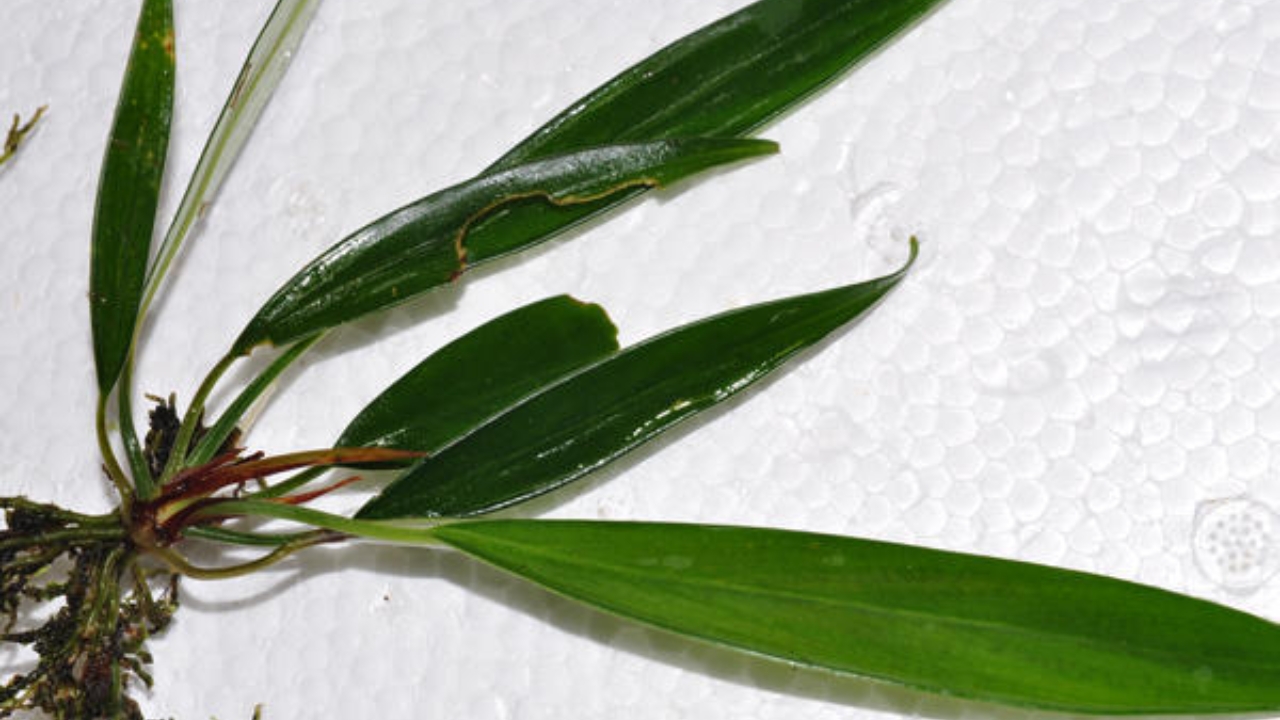
Heteroaridarum is a rare and visually striking plant that has captured the attention of collectors and indoor gardening enthusiasts alike. Known for its unusual foliage and distinctive growth pattern, it brings an exotic touch to any plant collection. Although it may seem intimidating at first due to its rarity, growing Heteroaridarum successfully is entirely achievable with the right knowledge and consistent care routine.
Understanding its natural habitat is key to replicating the conditions it needs to thrive. This plant typically originates from tropical environments where humidity is high, light is filtered, and the soil remains moist but not waterlogged. By mimicking these conditions indoors, you can ensure healthy growth and long-term success.
Ideal Growing Conditions
Creating the right environment is the foundation of successful Heteroaridarum care. This plant thrives in bright, indirect light. Direct sunlight can scorch its leaves, while too little light may slow its growth and dull its appearance. A spot near an east- or north-facing window usually works well.
Temperature also plays a crucial role. Heteroaridarum prefers warm conditions, ideally between 18°C and 28°C. Sudden temperature drops or exposure to cold drafts can stress the plant and lead to leaf damage. Consistency is important, so avoid placing it near air conditioners, heaters, or frequently opened windows.
Humidity is another essential factor. Since the plant originates from tropical regions, it appreciates humidity levels above 60 percent. If your indoor environment is dry, especially during winter, consider using a humidifier or placing the plant on a pebble tray with water to increase moisture in the air.
Soil and Potting Requirements
The right soil mix is critical for maintaining a healthy root system. Heteroaridarum requires a well-draining yet moisture-retentive medium. A blend of peat moss or coco coir, perlite, and orchid bark works well. This combination allows excess water to drain while still retaining enough moisture to keep the roots hydrated.
Choosing the correct pot is equally important. Always use a container with drainage holes to prevent water accumulation at the bottom. Terracotta pots are a good option because they allow excess moisture to evaporate, reducing the risk of root rot.
Repotting should be done every one to two years or when the plant outgrows its current container. When repotting, gently loosen the roots and refresh the soil mix to provide new nutrients and improve aeration.
Watering Guidelines
Watering is one of the most important aspects of Heteroaridarum care, and getting it right can make a significant difference in the plant’s health. The goal is to keep the soil consistently moist but never soggy. Overwatering can lead to root rot, while underwatering may cause the leaves to wilt or develop brown edges.
A good rule of thumb is to water when the top 2–3 centimeters of soil feel dry to the touch. Always check the soil before watering rather than following a strict schedule, as environmental conditions can affect how quickly the soil dries out.
When watering, do so thoroughly until excess water drains out from the bottom of the pot. This ensures that the roots receive adequate moisture. Avoid letting the plant sit in standing water, as this can quickly lead to root issues.
During the growing season, typically spring and summer, the plant may require more frequent watering. In contrast, watering should be reduced during the cooler months when growth slows down.
Fertilizing for Healthy Growth
To support its growth and maintain vibrant foliage, Heteroaridarum benefits from regular feeding. Use a balanced liquid fertilizer diluted to half strength every four to six weeks during the growing season. This provides essential nutrients without overwhelming the plant.
Avoid over-fertilizing, as this can lead to salt buildup in the soil and damage the roots. If you notice white crust forming on the soil surface, it may be a sign of excess fertilizer. Flushing the soil occasionally with clean water can help remove accumulated salts.
During fall and winter, when the plant’s growth naturally slows, fertilization can be reduced or paused altogether.
Pruning and Maintenance
Regular pruning helps keep Heteroaridarum looking its best and encourages healthy growth. Remove any yellowing, damaged, or dead leaves to prevent the plant from wasting energy on unhealthy parts.
Cleaning the leaves occasionally with a damp cloth is also beneficial. Dust buildup can block light absorption and reduce the plant’s ability to photosynthesize effectively.
Keep an eye out for pests such as spider mites, aphids, or mealybugs. If detected early, they can be managed with gentle treatments like insecticidal soap or neem oil. Maintaining proper humidity and airflow can also help prevent infestations.
Propagation Techniques
Propagating Heteroaridarum is a rewarding way to expand your collection or share the plant with others. The most common method is division or stem cuttings, depending on the plant’s growth structure.
For division, carefully remove the plant from its pot and separate the root clumps, ensuring each section has healthy roots and foliage. Replant each division in fresh soil and water thoroughly.
Stem cuttings can also be used if the plant produces suitable stems. Cut a healthy section with at least one node and place it in water or moist soil. If rooting in water, wait until roots develop before transferring the cutting to soil. Keep the environment warm and humid to encourage successful rooting.
Propagation is best done during the growing season when the plant is actively producing new growth.
Common Problems and Solutions
Even with proper care, Heteroaridarum may occasionally face challenges. Yellowing leaves are often a sign of overwatering, while brown, crispy edges may indicate low humidity or underwatering.
If the plant’s growth appears stunted, it could be due to insufficient light or a lack of nutrients. Adjusting its placement or feeding schedule can help resolve the issue.
Root rot is one of the most serious problems and is usually caused by poor drainage or excessive watering. If detected early, you can save the plant by trimming affected roots and repotting it in fresh, well-draining soil.
Regular observation is key. By paying attention to changes in the plant’s appearance, you can quickly identify and address problems before they become severe.
Final Thoughts
Growing Heteroaridarum can be a deeply satisfying experience for plant enthusiasts willing to meet its specific needs. While it does require attention to detail, especially in terms of humidity, watering, and light, the effort is well worth it.
By creating a stable environment, using the right soil mix, and maintaining a consistent care routine, you can enjoy a thriving and visually stunning plant. Whether you are an experienced collector or an enthusiastic beginner looking to expand your indoor garden, Heteroaridarum offers both a challenge and a reward that makes it truly special.
